What is the weight of a Metal Rollformer?
As a leading supplier of metal rollformers, I often encounter questions from customers regarding various aspects of our machines, and one frequently asked question is about the weight of a metal rollformer. Understanding the weight of a metal rollformer is crucial for multiple reasons, including transportation, installation, and overall stability during operation.
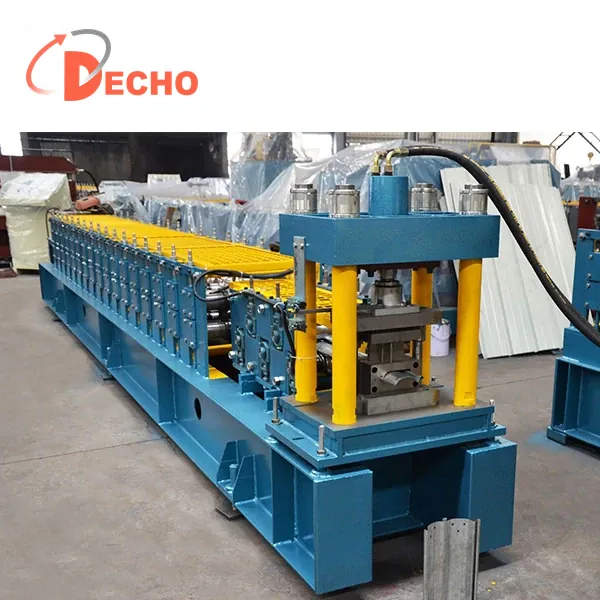
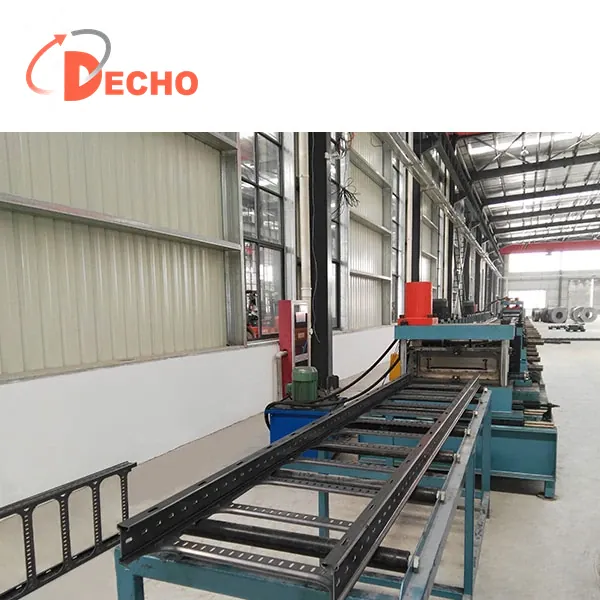
First and foremost, the weight of a metal rollformer can vary significantly depending on several factors. The size of the machine is one of the most influential factors. Larger rollformers, designed to produce wider or longer metal profiles, generally weigh more than smaller ones. For instance, a small-scale rollformer used for producing narrow strips of metal may weigh only a few hundred kilograms, while a large industrial - scale machine capable of manufacturing large - sized C purlins or complex metal components can weigh several tons.
The type of metal the rollformer is designed to process also affects its weight. Machines intended for processing thicker and denser metals such as stainless steel or high - strength alloys need to be more robustly constructed. This means they typically have heavier frames, stronger rollers, and more substantial drive systems to handle the increased stress during the forming process. In contrast, rollformers for lighter metals like aluminum or thin - gauge steel can be relatively lighter in weight.
The complexity of the rollforming process and the number of forming stations in the machine are other determining factors. A rollformer with a greater number of forming stations can create more complex profiles. These additional stations require more components, including rollers, shafts, and supporting structures, which add to the overall weight of the machine. For example, a basic rollformer with only a few forming stations may weigh around 1 - 2 tons, while a multi - station rollformer with advanced features can weigh 5 tons or more.
Let's take a closer look at some of our popular products and their approximate weights. Our C Purlin Machine is a widely used rollformer in the construction industry. The standard model, which is designed to produce C purlins of common sizes, weighs approximately 3 - 4 tons. This weight is a result of its heavy - duty frame, precision rollers, and a reliable drive system that ensures consistent and accurate forming of the C - shaped profiles.
The Rolling Shutter Roll Forming Machine is another important product in our portfolio. This machine is used to manufacture rolling shutter profiles. Due to the need for high - speed operation and the ability to form complex interlocking profiles, it has a relatively high weight. A typical rolling shutter roll forming machine can weigh around 4 - 5 tons, depending on its specific configuration and the width of the profiles it can produce.
Our Stainless Steel Water Tank Making Machine is designed for producing stainless steel water tank panels. Since stainless steel is a dense and tough material, the machine needs to be built with heavy - duty components. The weight of this machine usually ranges from 5 - 6 tons, ensuring its stability and durability during the production process.
The weight of a metal rollformer has significant implications for transportation. Heavier machines require specialized transportation equipment, such as large trucks or trailers with sufficient load - bearing capacity. Additionally, transportation costs can be higher due to the increased weight and the need for proper securing to prevent damage during transit. When it comes to installation, the weight of the machine affects the foundation requirements. A heavier rollformer needs a more solid and stable foundation to support it and prevent vibration and movement during operation, which can affect the quality of the formed products.
In terms of operation, the weight of the rollformer contributes to its stability. A heavier machine is less likely to vibrate or move during the high - speed forming process, which results in more accurate and consistent metal profiles. This is especially important for industries where precision is crucial, such as the automotive and aerospace sectors.
If you are in the market for a metal rollformer, understanding the weight of the machine is just one aspect of the decision - making process. You also need to consider factors such as the production capacity, the quality of the formed products, the ease of operation, and the after - sales service. As a professional metal rollformer supplier, we are committed to providing you with detailed information about our products, including their weights, to help you make an informed choice.
We have a team of experienced engineers and technicians who can assist you in selecting the most suitable rollformer for your specific needs. Whether you are a small - scale manufacturer looking for a compact and lightweight rollformer or a large industrial enterprise in need of a heavy - duty machine, we have the right solution for you.
If you are interested in our metal rollformers or have any questions regarding their weights, specifications, or applications, please feel free to contact us. We are more than happy to engage in a detailed discussion with you and explore how our products can meet your production requirements. Our goal is to establish long - term partnerships with our customers by providing high - quality rollformers and excellent customer service.
References
- Metal Forming Handbook: A Comprehensive Guide to Metal Forming Processes, published by Industrial Press Inc.
- Roll Forming Technology: Principles and Applications, edited by experts in the metal forming industry.