The weight of a typical roll forming machine can vary significantly depending on several factors, including its size, design, the materials it is made of, and its intended application. As a supplier of roll forming machines, I have witnessed firsthand the diverse range of weights these machines can have, and in this blog, I'll delve into the details to help you understand what to expect.
Factors Affecting the Weight of Roll Forming Machines
Machine Size
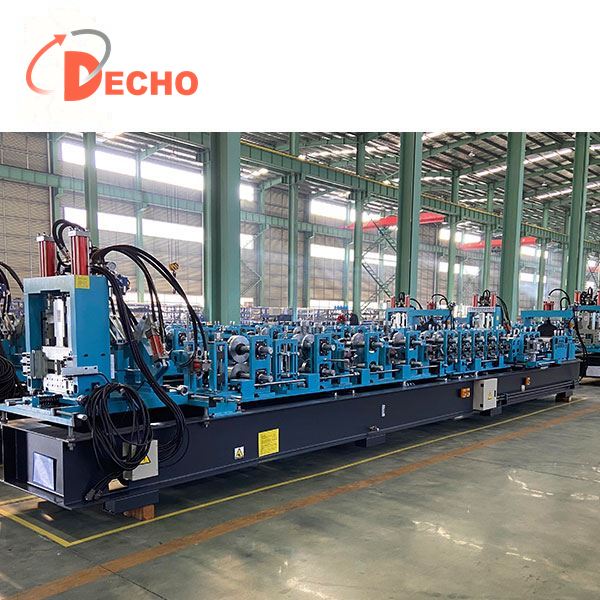
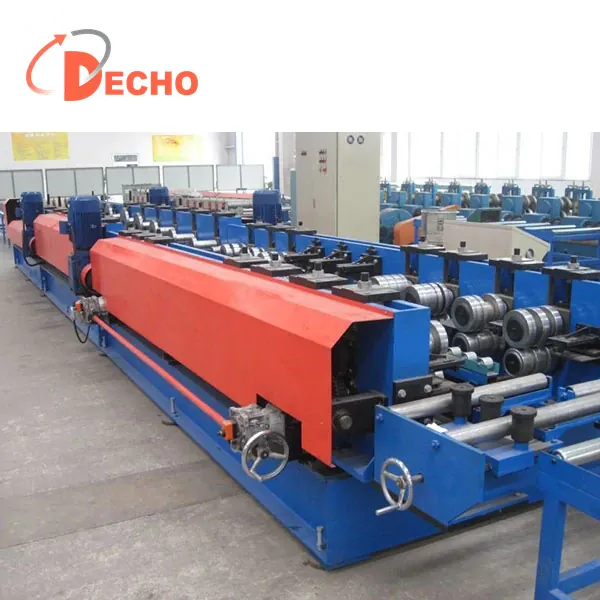
One of the most significant factors influencing the weight of a roll forming machine is its size. Larger machines designed to produce wider or longer profiles generally weigh more than smaller ones. For example, a roll forming machine used to produce large - scale industrial roofing panels will be much heavier than a machine used for making small cable trays. The length of the machine, the number of roll stations, and the overall footprint all contribute to its weight. A longer machine with more roll stations requires more structural support and components, which in turn increases its mass.
Materials Used
The materials used in the construction of the roll forming machine play a crucial role in determining its weight. Most roll forming machines are made of high - strength steel, which is heavy but provides the necessary durability and stability. Some machines may also incorporate cast iron components, especially in areas where high precision and rigidity are required. These materials are denser than steel and can add a significant amount of weight to the machine. On the other hand, machines that use lightweight alloys or composite materials in certain parts may be lighter, but they may also have limitations in terms of strength and durability.
Intended Application
The application for which the roll forming machine is designed also affects its weight. Machines used for heavy - duty applications, such as producing thick - walled pipes or structural steel sections, need to be more robust and are therefore heavier. They require stronger motors, larger gears, and more substantial frames to handle the high forces involved in the forming process. In contrast, machines used for making thin - gauge metal products, like aluminum siding or light - weight cable trays, can be relatively lighter as they do not need to withstand as much stress.
Weight Ranges of Different Types of Roll Forming Machines
Cable Tray Roll Forming Machine
A Cable Tray Roll Forming Machine is typically used to produce cable trays of various sizes and shapes. These machines usually have a relatively moderate weight compared to some other types of roll forming machines. A small - to - medium - sized cable tray roll forming machine may weigh anywhere from 2 to 5 tons. This weight range is suitable for most standard cable tray production requirements and allows for relatively easy installation and relocation. Larger machines, capable of producing wider or more complex cable tray designs, can weigh up to 10 tons or more.
Purlin Making Machine
Purlin Making Machines are used to manufacture purlins, which are structural members commonly used in building construction. These machines can vary widely in weight depending on the type of purlins they produce. A basic Z - purlin or C - purlin making machine may weigh around 3 to 8 tons. However, more advanced machines that can produce custom - shaped purlins or handle thicker gauge materials may weigh upwards of 15 tons. The weight is mainly due to the need for strong roll stands and precise forming mechanisms to ensure the accuracy of the purlin profiles.
Roof And Wall Panel Roll Forming Machine
Roof And Wall Panel Roll Forming Machines are designed to produce roofing and wall panels for buildings. These machines can be quite large and heavy, especially those used for commercial or industrial construction projects. A standard roof and wall panel roll forming machine can weigh between 5 and 20 tons. Machines that can produce wider panels or use more complex forming processes may weigh even more. The heavy weight is necessary to maintain stability during the high - speed production of long panels and to ensure the quality of the formed products.
Importance of Knowing the Machine Weight
Understanding the weight of a roll forming machine is crucial for several reasons. Firstly, it affects the transportation and installation process. A heavier machine requires more specialized equipment for transportation and may need a more substantial foundation for installation. Secondly, the weight can impact the energy consumption of the machine. Heavier machines generally require more power to operate, which can increase the operating costs. Additionally, the weight of the machine can be an indicator of its quality and durability. A well - built, heavy - duty machine is often more reliable and can have a longer service life.
Considerations When Choosing a Roll Forming Machine Based on Weight
When selecting a roll forming machine, it's important to consider the weight in relation to your specific needs. If you have limited space or need to move the machine frequently, a lighter machine may be more suitable. However, if you are producing heavy - duty products or require high precision, a heavier, more robust machine may be necessary. It's also important to ensure that your facility can support the weight of the machine. This includes checking the floor capacity and the availability of appropriate lifting and installation equipment.
Conclusion
In conclusion, the weight of a typical roll forming machine can vary greatly depending on its size, the materials used, and its intended application. From relatively lightweight cable tray roll forming machines to heavy - duty roof and wall panel roll forming machines, each type has its own weight characteristics. As a supplier of roll forming machines, I understand the importance of choosing the right machine for your specific requirements. If you are in the market for a roll forming machine and need more information about the weight and other features of our products, please don't hesitate to contact us for a detailed discussion. We can help you select the most suitable machine for your business and ensure a smooth procurement process.
References
- "Roll Forming Technology Handbook" by Thomas A. Manos
- Industry reports on roll forming machine manufacturing and applications.
- Technical specifications of various roll forming machines from leading manufacturers.