A hydraulic rollformer is a crucial piece of equipment in the metal forming industry, known for its efficiency and precision in shaping metal sheets into various profiles. As a trusted Rollformer supplier, I am excited to delve into the working principle of a hydraulic rollformer, shedding light on its intricate mechanisms and highlighting its significance in modern manufacturing processes.
Basic Components of a Hydraulic Rollformer
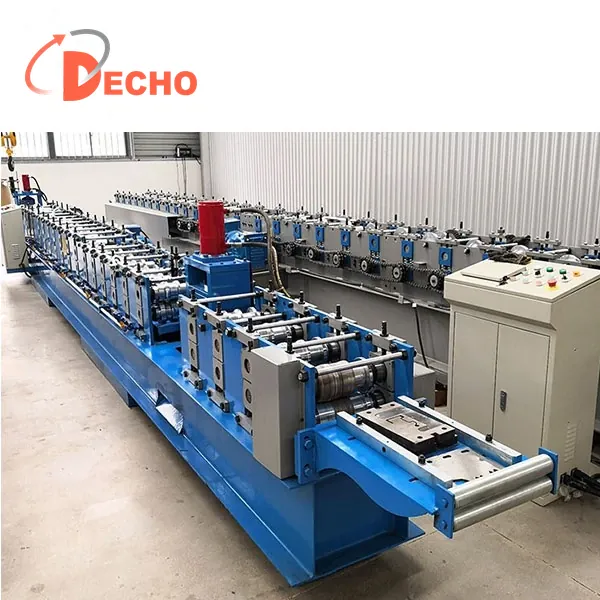
Before we explore the working principle, let's first understand the key components of a hydraulic rollformer. These machines typically consist of the following parts:
- Uncoiler: This is the starting point of the process, where the metal coil is loaded. The uncoiler gradually unwinds the metal sheet, feeding it into the rollformer at a controlled speed.
- Feeding System: The feeding system is responsible for guiding the metal sheet from the uncoiler into the roll forming section. It ensures that the sheet is properly aligned and fed at a consistent rate.
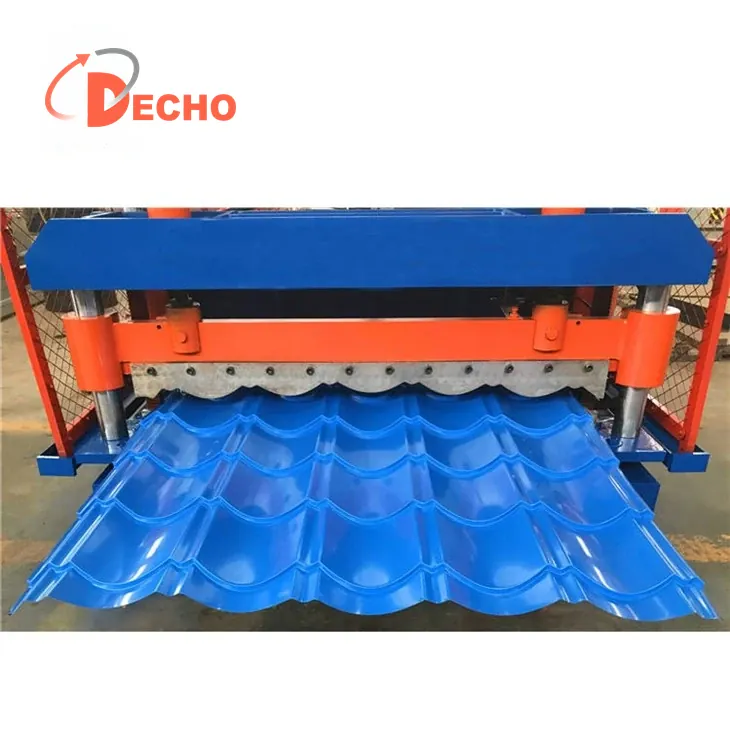
- Roll Forming Stations: The heart of the hydraulic rollformer, the roll forming stations are a series of pairs of rolls arranged in a specific sequence. Each pair of rolls is designed to gradually shape the metal sheet into the desired profile. As the sheet passes through the stations, it undergoes a series of bends and deformations until it reaches the final shape.
- Hydraulic System: The hydraulic system provides the power necessary to drive the rolls and perform the forming operations. It consists of a hydraulic pump, cylinders, valves, and hoses, which work together to generate and control the hydraulic pressure.
- Cutting System: Once the metal sheet has been formed into the desired profile, the cutting system is used to cut it to the required length. This can be done using a variety of cutting methods, such as shearing or punching.
- Control System: The control system is used to monitor and regulate the operation of the hydraulic rollformer. It allows the operator to set the speed, pressure, and other parameters of the machine, ensuring consistent and accurate production.
Working Principle of a Hydraulic Rollformer
Now that we have a basic understanding of the components, let's take a closer look at the working principle of a hydraulic rollformer. The process can be divided into the following steps:
- Loading the Metal Coil: The first step is to load the metal coil onto the uncoiler. The coil is typically secured in place using a clamping mechanism to prevent it from unwinding prematurely.
- Unwinding and Feeding the Metal Sheet: Once the coil is loaded, the uncoiler begins to unwind the metal sheet. The feeding system then guides the sheet into the roll forming section at a controlled speed.
- Roll Forming the Metal Sheet: As the metal sheet enters the roll forming stations, it passes through a series of pairs of rolls. Each pair of rolls is designed to gradually shape the sheet into the desired profile. The rolls apply pressure to the sheet, causing it to bend and deform. The amount of pressure and the shape of the rolls are carefully calculated to ensure that the sheet is formed accurately and consistently.
- Hydraulic Power Generation and Control: The hydraulic system plays a crucial role in the roll forming process. The hydraulic pump generates the hydraulic pressure, which is then transmitted to the cylinders through the valves and hoses. The cylinders are connected to the rolls, and the hydraulic pressure is used to drive the rolls and perform the forming operations. The control system monitors and regulates the hydraulic pressure, ensuring that it remains within the desired range.
- Cutting the Formed Metal Sheet: Once the metal sheet has been formed into the desired profile, the cutting system is used to cut it to the required length. This can be done using a variety of cutting methods, such as shearing or punching. The cutting system is typically synchronized with the roll forming process to ensure that the cuts are made at the correct positions.
- Ejecting the Finished Product: After the metal sheet has been cut, the finished product is ejected from the rollformer. It can then be collected and further processed or used in the desired application.
Advantages of Hydraulic Rollformers
Hydraulic rollformers offer several advantages over other types of rollformers, making them a popular choice in the metal forming industry. Some of the key advantages include:
- High Precision: Hydraulic rollformers are capable of producing high-precision profiles with tight tolerances. The hydraulic system allows for precise control of the pressure and speed, ensuring consistent and accurate forming.
- Versatility: Hydraulic rollformers can be used to produce a wide range of profiles, from simple shapes to complex geometries. They can also be easily customized to meet the specific requirements of different applications.
- Efficiency: Hydraulic rollformers are highly efficient, capable of producing large quantities of profiles in a short period of time. The hydraulic system provides high power and fast operation, reducing the production time and increasing the productivity.
- Durability: Hydraulic rollformers are built to last, with robust construction and high-quality components. They are designed to withstand the rigors of continuous operation and can provide reliable performance for many years.
- Safety: Hydraulic rollformers are equipped with a variety of safety features, such as emergency stop buttons, safety guards, and interlocks, to ensure the safety of the operators.
Applications of Hydraulic Rollformers
Hydraulic rollformers are widely used in various industries, including construction, automotive, aerospace, and manufacturing. Some of the common applications of hydraulic rollformers include:
- Roofing and Wall Panels: Hydraulic rollformers are used to produce roofing and wall panels for buildings. These panels can be made from a variety of materials, such as steel, aluminum, and copper, and can be customized to meet the specific requirements of different architectural styles.
- Automotive Parts: Hydraulic rollformers are used to produce a variety of automotive parts, such as door frames, window frames, and body panels. These parts require high precision and strength, and hydraulic rollformers are capable of meeting these requirements.
- Aerospace Components: Hydraulic rollformers are used to produce aerospace components, such as wing spars, fuselage frames, and landing gear parts. These components require high strength, light weight, and precise dimensions, and hydraulic rollformers are well-suited for these applications.
- Manufacturing Equipment: Hydraulic rollformers are used to produce a variety of manufacturing equipment, such as conveyor belts, storage racks, and shelving units. These equipment require high strength and durability, and hydraulic rollformers can provide the necessary performance.
Conclusion
In conclusion, hydraulic rollformers are a powerful and versatile tool in the metal forming industry. Their working principle is based on the use of hydraulic power to drive the rolls and perform the forming operations. Hydraulic rollformers offer several advantages over other types of rollformers, including high precision, versatility, efficiency, durability, and safety. They are widely used in various industries, including construction, automotive, aerospace, and manufacturing.
If you are in the market for a hydraulic rollformer or any other type of rollformer, I encourage you to contact us for more information. As a leading Rollformer supplier, we have a wide range of rollformers to choose from, and our experienced team can help you select the right machine for your specific needs. We also offer comprehensive after-sales support, including installation, training, and maintenance, to ensure that your rollformer operates at its best.
Thank you for reading this blog post. I hope you found it informative and useful. If you have any questions or comments, please feel free to leave them below.
References
- Smith, J. (2019). Roll Forming Technology. New York: McGraw-Hill.
- Jones, A. (2020). Hydraulic Systems in Manufacturing. London: Elsevier.
- Brown, C. (2021). Metal Forming Processes and Applications. Berlin: Springer.