Hey there! As a supplier of sheet roll forming machines, I've seen firsthand how sensors play a crucial role in these machines. They're like the eyes and ears of the equipment, constantly gathering data and ensuring everything runs smoothly. In this blog, I'll be diving into the different types of sensors used in sheet roll forming machines and why they're so important.
Proximity Sensors
Proximity sensors are one of the most commonly used sensors in sheet roll forming machines. These sensors detect the presence or absence of an object without physical contact. They work by emitting an electromagnetic field or a beam of infrared light, and when an object enters the sensing range, it disrupts the field or blocks the light, triggering a signal.
In a sheet roll forming machine, proximity sensors are used for a variety of purposes. For example, they can be used to detect the position of the sheet metal as it moves through the machine. This helps to ensure that the sheet is properly aligned and fed into the forming rolls at the correct time. Proximity sensors can also be used to detect the presence of a finished product at the end of the production line, triggering the next step in the process, such as cutting or stacking.
One of the advantages of proximity sensors is their high reliability and long lifespan. They're also relatively inexpensive and easy to install, making them a popular choice for many sheet roll forming applications.
Photoelectric Sensors
Photoelectric sensors are another type of sensor commonly used in sheet roll forming machines. These sensors use a light source and a receiver to detect the presence or absence of an object. There are two main types of photoelectric sensors: through-beam sensors and retro-reflective sensors.
Through-beam sensors consist of a separate light source and receiver, which are mounted on opposite sides of the machine. When an object passes between the light source and the receiver, it blocks the light beam, triggering a signal. Through-beam sensors are highly accurate and can detect objects at a long distance, making them ideal for applications where precise detection is required.
Retro-reflective sensors, on the other hand, use a single unit that contains both the light source and the receiver. The light is emitted from the unit and reflected back by a reflector, which is mounted on the opposite side of the machine. When an object passes between the sensor and the reflector, it blocks the reflected light, triggering a signal. Retro-reflective sensors are more compact and easier to install than through-beam sensors, but they have a shorter sensing range.
In a sheet roll forming machine, photoelectric sensors can be used for a variety of applications, such as detecting the presence of a sheet metal at the entrance of the machine, monitoring the movement of the forming rolls, and detecting the position of a cut-off blade.
Encoders
Encoders are sensors that are used to measure the position, speed, and direction of a rotating shaft or linear motion. They work by converting mechanical motion into electrical signals, which can be used to control the operation of the machine.
In a sheet roll forming machine, encoders are commonly used to measure the speed and position of the forming rolls. This information is used to ensure that the rolls are rotating at the correct speed and that the sheet metal is being formed to the correct dimensions. Encoders can also be used to monitor the movement of the feed system, ensuring that the sheet metal is being fed into the machine at a consistent rate.
There are two main types of encoders: incremental encoders and absolute encoders. Incremental encoders provide a signal that indicates the change in position or speed of the shaft, but they do not provide information about the absolute position. Absolute encoders, on the other hand, provide a unique code that indicates the absolute position of the shaft, making them more accurate and reliable.
Pressure Sensors
Pressure sensors are used to measure the pressure of a fluid or gas in a system. In a sheet roll forming machine, pressure sensors are commonly used to monitor the pressure of the hydraulic system, which is used to power the forming rolls and other components of the machine.
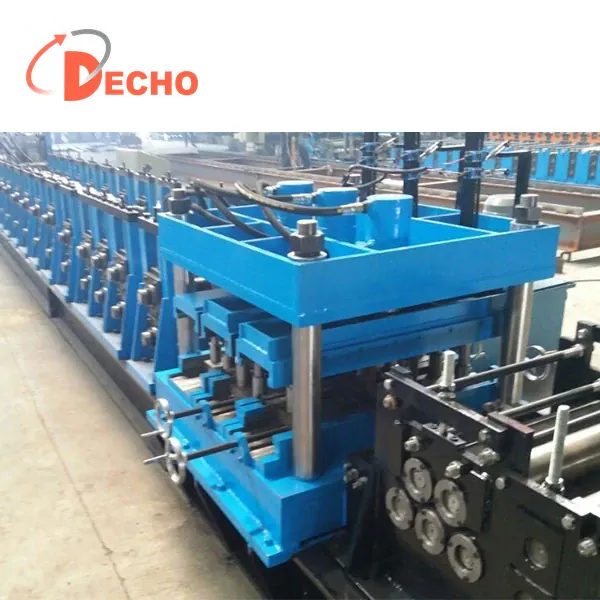
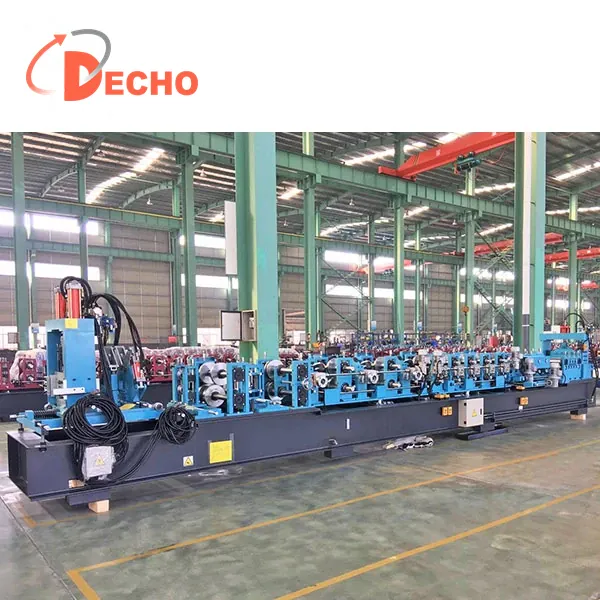
By monitoring the pressure of the hydraulic system, pressure sensors can detect any changes or abnormalities in the system, such as leaks or blockages. This information can be used to alert the operator of the machine, allowing them to take corrective action before any damage occurs.
Pressure sensors can also be used to control the pressure of the hydraulic system, ensuring that the forming rolls are applying the correct amount of pressure to the sheet metal. This helps to ensure that the sheet is formed to the correct dimensions and that the quality of the finished product is consistent.
Temperature Sensors
Temperature sensors are used to measure the temperature of a material or environment. In a sheet roll forming machine, temperature sensors are commonly used to monitor the temperature of the forming rolls and the sheet metal.
By monitoring the temperature of the forming rolls, temperature sensors can detect any overheating or excessive wear, which can affect the quality of the finished product. This information can be used to adjust the operating parameters of the machine, such as the speed of the rolls or the pressure applied to the sheet metal, to ensure that the temperature remains within the acceptable range.
Temperature sensors can also be used to monitor the temperature of the sheet metal during the forming process. This information can be used to ensure that the sheet is being formed at the correct temperature, which can affect the strength and durability of the finished product.
Why Sensors are Important in Sheet Roll Forming Machines
Now that we've discussed the different types of sensors used in sheet roll forming machines, let's take a look at why they're so important.
- Improved Quality Control: Sensors help to ensure that the sheet metal is being formed to the correct dimensions and that the quality of the finished product is consistent. By monitoring the position, speed, pressure, and temperature of the machine, sensors can detect any abnormalities or defects in the forming process, allowing the operator to take corrective action before the product is completed.
- Increased Efficiency: Sensors can help to improve the efficiency of the sheet roll forming process by automating certain tasks and reducing the need for manual intervention. For example, proximity sensors can be used to automatically feed the sheet metal into the machine, while encoders can be used to control the speed and position of the forming rolls. This can help to reduce the production time and increase the output of the machine.
- Enhanced Safety: Sensors can help to improve the safety of the sheet roll forming process by detecting any potential hazards or malfunctions in the machine. For example, pressure sensors can be used to detect any leaks or blockages in the hydraulic system, while temperature sensors can be used to detect any overheating or excessive wear in the forming rolls. This information can be used to alert the operator of the machine, allowing them to take corrective action before any accidents occur.
Conclusion
In conclusion, sensors play a crucial role in sheet roll forming machines. They're like the eyes and ears of the equipment, constantly gathering data and ensuring everything runs smoothly. By using a combination of proximity sensors, photoelectric sensors, encoders, pressure sensors, and temperature sensors, sheet roll forming machines can achieve improved quality control, increased efficiency, and enhanced safety.
If you're in the market for a sheet roll forming machine, I encourage you to consider the type of sensors that are used in the machine. Look for a machine that uses high-quality sensors and that has a reputation for reliability and performance. And if you have any questions or need more information, don't hesitate to [contact us for a purchase negotiation]. We're here to help you find the right sheet roll forming machine for your needs.
References
- "Industrial Sensors: A Guide to Selection and Application." Sensor Tips, 2023.
- "Roll Forming Technology Handbook." MetalForming Magazine, 2022.
- "Sensors in Manufacturing: Improving Quality and Efficiency." Manufacturing.net, 2023.
Remember, if you're interested in our Metal Siding Roll Forming Machine, Purlin Making Machine, or Automatic Roll Forming Machine, feel free to reach out for more details and start the purchasing discussion.