Profile roll-forming machines must strictly follow safety regulations and operating procedures to ensure personnel safety, equipment stability, and product quality. Specific precautions are as follows:
1. Safety protection preparation
Operators must wear protective clothing, safety helmets, protective gloves, and goggles; check whether the equipment's emergency stop button, protective cover, and other safety devices are normal, and it is strictly forbidden to remove protective facilities when the equipment is running.
2. Check before starting the equipment
Before starting the machine, confirm that the roller mold is free of debris, the lubrication system has sufficient oil, and the transmission parts are not loose; check whether the electrical circuit is damaged and whether the air pressure and hydraulic system pressure are within the rated range.
3. Standard operating procedures
Start the equipment in sequence, turn on the power first, then start the lubrication system and transmission device; it is forbidden to start with material or overload operation; when adjusting the mold or cleaning waste, the machine must be stopped and the power must be cut off.
4. Monitor the operating status
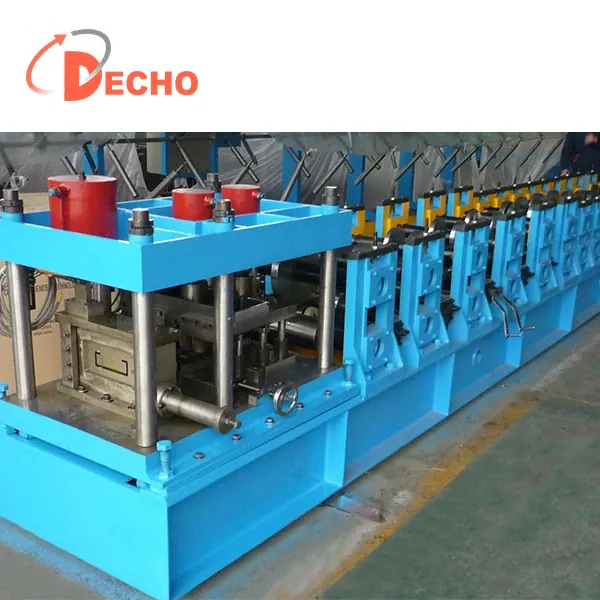
During production, observe the sound and vibration of the equipment in real-time, and monitor the quality of profile forming; if abnormalities are found (such as abnormal noise, smoke, and excessive deformation of the profile), stop the machine immediately for inspection, and restart after troubleshooting.
5. Parameter and mold management
Unauthorized modification of equipment parameters is prohibited; special tools must be used when replacing molds to ensure that the molds are firmly installed and accurately aligned; regular cleaning of mold debris to prevent affecting molding accuracy.
6. Post-production maintenance
After the operation is completed, turn off the power supply and air source, clean the waste on the equipment surface and work area; lubricate and maintain rollers, guide rails, and other components, and record the equipment operating status and fault problems.
7. Personnel training and emergency response
Operators must undergo professional training and pass the assessment before taking up their posts; be familiar with the equipment operation manual and emergency plan, master common fault handling methods, and avoid accidents caused by misoperation.
If you are interested in learning more about the profile roll-forming machine, please visit jr-rollformingmachine.com! We have industry-leading technical dynamics and professional customer service, and look forward to working with you to create a better chapter!
https://www.jr-rollformingmachine.com/