Hey there! As a supplier of sheet making machines, I often get asked if there are any environmental requirements for operating these machines. Well, the short answer is yes, and in this blog, I'll break down what those requirements are and why they matter.
Why Environmental Requirements Matter
First off, let's talk about why environmental requirements are a big deal when it comes to operating a sheet making machine. For starters, we all share this planet, and it's our responsibility to take care of it. Sheet making machines, like any industrial equipment, can have an impact on the environment. This includes things like energy consumption, waste generation, and emissions.
Meeting environmental requirements isn't just about being a good global citizen, though. It can also have real benefits for your business. For one, it can help you avoid costly fines and penalties for non - compliance. Many governments around the world are cracking down on industrial pollution, and failing to meet environmental standards can result in some hefty financial consequences.
Secondly, more and more customers are looking for environmentally friendly products and services. By operating your sheet making machine in an environmentally responsible way, you can attract these eco - conscious customers and gain a competitive edge in the market.
Energy Consumption
One of the main environmental requirements for operating a sheet making machine is related to energy consumption. These machines typically use a significant amount of electricity to power their motors, heaters, and other components. To meet environmental standards, you need to make sure your machine is as energy - efficient as possible.
There are several ways to improve the energy efficiency of your sheet making machine. For example, you can invest in a machine with a high - efficiency motor. These motors are designed to use less electricity while still providing the same level of performance. Additionally, you can look for machines with features like automatic shut - off timers. These timers can turn off the machine when it's not in use, reducing unnecessary energy consumption.
Another option is to optimize your production process. By streamlining your operations and reducing downtime, you can make the most of the energy your machine uses. For instance, you can schedule your production runs in a way that minimizes the number of times the machine needs to start and stop. Starting and stopping a machine consumes a lot of energy, so reducing these cycles can lead to significant energy savings.
Waste Generation
Sheet making machines can generate a fair amount of waste, including scrap metal, plastic, and other materials. To meet environmental requirements, you need to manage this waste properly.
One of the first steps is to implement a recycling program. Many of the materials used in sheet making, such as metal, can be recycled. By collecting and recycling your scrap materials, you can reduce the amount of waste that ends up in landfills. You can also look for suppliers who offer recycling services or partner with local recycling facilities.
In addition to recycling, you can also take steps to reduce waste generation in the first place. For example, you can optimize your cutting patterns to minimize the amount of scrap material produced. Modern sheet making machines often come with software that can help you design the most efficient cutting patterns based on the size and shape of your raw materials.
Emissions
Sheet making machines can produce emissions, such as dust, fumes, and volatile organic compounds (VOCs). These emissions can have a negative impact on air quality and human health, so it's important to control them.
To meet environmental requirements for emissions, you need to install proper ventilation systems. These systems can remove dust and fumes from the air, keeping the working environment safe for your employees. You can also use air filters to trap harmful particles and pollutants.
If your machine uses solvents or other chemicals that emit VOCs, you need to make sure these chemicals are stored and used properly. This may include using sealed containers, providing proper ventilation in areas where the chemicals are used, and following all safety guidelines.
Noise Pollution
Sheet making machines can be quite noisy, which can be a nuisance for your employees and neighbors. To meet environmental requirements, you need to control noise pollution.
One way to reduce noise is to install sound - absorbing materials around the machine. These materials can help dampen the sound and prevent it from spreading. You can also look for machines that are designed to operate quietly. Some manufacturers offer low - noise models that use advanced engineering techniques to reduce vibration and noise.
Our Product Range
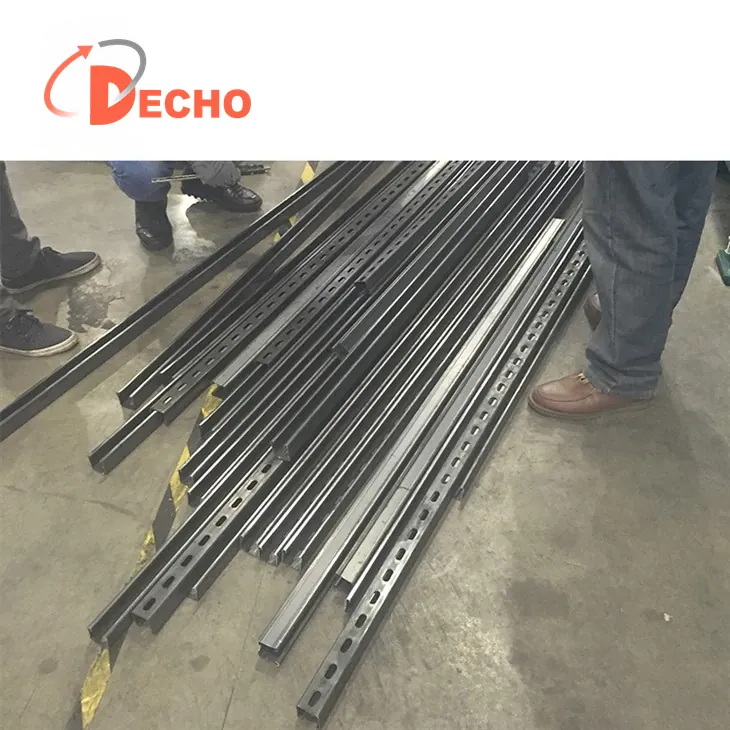
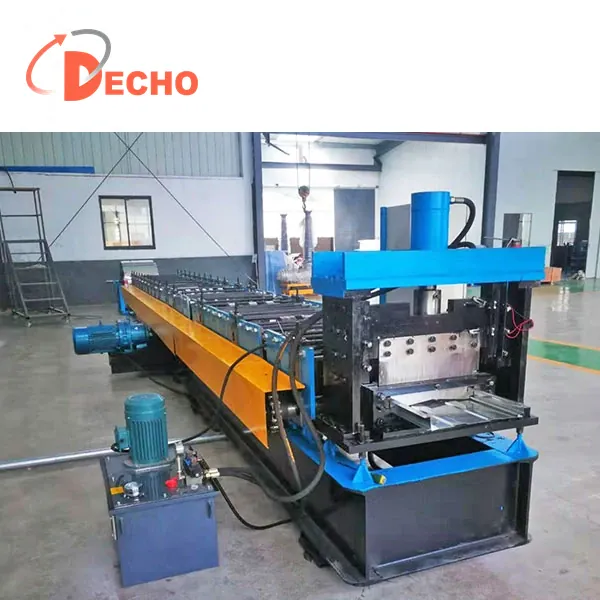
As a sheet making machine supplier, we offer a wide range of machines that are designed to meet the latest environmental requirements. For example, our Metal Roof Making Machine is energy - efficient and produces minimal waste. It's also equipped with a ventilation system to control emissions.
Our Roll Forming Machine For Solar Structure is another great option. It uses advanced technology to optimize energy consumption and reduce waste generation. And our Rolling Shutter Strip Making Machine is designed to operate quietly and produce low emissions.
Contact Us for Purchase and Negotiation
If you're in the market for a sheet making machine and want to make sure you're meeting all the environmental requirements, we're here to help. Our team of experts can provide you with all the information you need about our machines and how they can help you operate in an environmentally responsible way.
Whether you're a small business looking to expand your production capabilities or a large corporation in need of a high - volume sheet making solution, we have the right machine for you. Don't hesitate to reach out to us to discuss your specific needs and start the purchasing process. We're committed to providing you with the best products and services at competitive prices.
References
- Environmental Protection Agency. (2023). Industrial Energy Efficiency Guidelines.
- World Health Organization. (2023). Air Quality Guidelines.
- Recycling Association. (2023). Best Practices for Industrial Waste Recycling.