As a supplier of Metal Roll Forming Machines, I have witnessed firsthand the importance of understanding the factors that affect the performance of these machines. Metal roll forming machines are widely used in various industries for manufacturing a diverse range of products, such as roofing panels, rolling shutter strips, and standing seam profiles. In this blog post, I will delve into the key factors that can influence the performance of a metal roll forming machine, drawing on my experience in the industry.
Material Properties
The properties of the metal material being processed are fundamental to the performance of a roll forming machine. Different metals have distinct characteristics, including hardness, ductility, and thickness. Harder metals, such as stainless steel, require more powerful roll forming machines with robust tooling to shape them effectively. On the other hand, softer metals like aluminum are easier to form but may still require precise control to avoid issues such as wrinkling or cracking.
The thickness of the metal also plays a crucial role. Thicker materials demand greater force to deform, which means the machine's drive system and roll tooling need to be designed to handle the increased load. If the machine is not properly configured for the material thickness, it can lead to inconsistent forming, decreased production speed, and even damage to the machine components.
Roll Tooling Design
The design of the roll tooling is another critical factor. The roll tooling consists of a series of rollers that gradually shape the metal into the desired profile. The shape, size, and surface finish of the rollers directly impact the quality of the formed product. A well - designed roll tooling should be able to provide smooth and uniform deformation of the metal, minimizing stress concentrations and reducing the risk of defects.
The number of roller stands in the roll forming machine also affects the performance. More roller stands generally allow for more gradual and precise forming, which is beneficial for complex profiles. However, this also increases the cost and complexity of the machine. Additionally, the alignment of the roller stands is crucial. Even a slight misalignment can cause uneven forming, leading to products that do not meet the required specifications.
Machine Drive System
The drive system of a metal roll forming machine is responsible for providing the power to move the metal through the rollers. There are different types of drive systems, including mechanical, hydraulic, and electric drives. Each type has its own advantages and disadvantages.
Mechanical drives are simple and reliable, but they may have limited speed control and power output. Hydraulic drives offer high power and good torque control, making them suitable for heavy - duty applications. Electric drives, on the other hand, provide precise speed control and are energy - efficient. The choice of drive system depends on the specific requirements of the application, such as the material type, thickness, and production speed.
A well - maintained drive system is essential for optimal performance. Regular lubrication, inspection of belts or chains (in mechanical drives), and proper adjustment of hydraulic or electric components are necessary to ensure smooth operation and prevent breakdowns.
Control System
The control system of a metal roll forming machine is used to monitor and regulate various parameters, such as speed, pressure, and position. Modern roll forming machines are often equipped with advanced control systems that can provide real - time feedback and automatic adjustment.
A good control system allows for precise control of the forming process, ensuring consistent product quality. It can also detect and correct any deviations from the set parameters, reducing the number of defective products. For example, if the machine senses that the metal is being formed too quickly or with too much pressure, it can automatically adjust the speed or pressure to maintain the desired quality.
Operator Skill and Training
The skill and training of the machine operator cannot be underestimated. An experienced and well - trained operator can optimize the performance of the roll forming machine. They can set up the machine correctly, adjust the parameters according to the material and product requirements, and troubleshoot minor issues quickly.
Operators should be familiar with the machine's operation manual, safety procedures, and maintenance requirements. They should also be able to recognize the signs of potential problems, such as unusual noises or vibrations, and take appropriate action before the situation worsens.
Maintenance and Upkeep
Regular maintenance is vital for the long - term performance of a metal roll forming machine. This includes cleaning the machine, lubricating moving parts, inspecting and replacing worn - out components, and calibrating the machine regularly.
Failure to perform proper maintenance can lead to a variety of problems, such as reduced forming accuracy, increased wear and tear on the machine components, and even complete breakdowns. A well - maintained machine not only operates more efficiently but also has a longer service life, which can save costs in the long run.
Environmental Factors
The environment in which the roll forming machine operates can also affect its performance. Temperature, humidity, and dust levels can all have an impact. High temperatures can cause thermal expansion of the machine components, leading to misalignment and inaccurate forming. Humidity can cause corrosion of the metal parts, especially if the machine is not properly protected.
Dust and debris in the environment can also contaminate the rollers and other moving parts, causing premature wear and reducing the quality of the formed products. Therefore, it is important to operate the machine in a clean and controlled environment, and to take appropriate measures to protect the machine from environmental factors.
Product Complexity
The complexity of the product being formed is a significant factor. Simple profiles, such as flat sheets or basic C - channels, are relatively easy to form and require less sophisticated machinery. However, complex profiles, like Roof Panel Roll Forming Machine or Rolling Shutter Strip Making Machine products, demand more advanced roll forming technology.
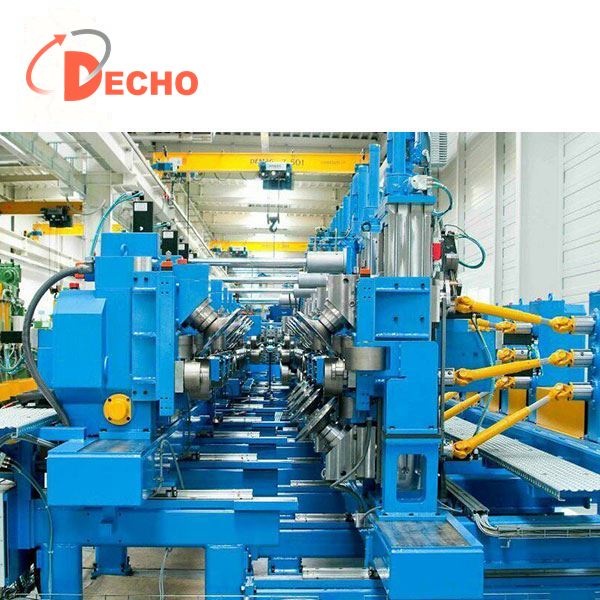
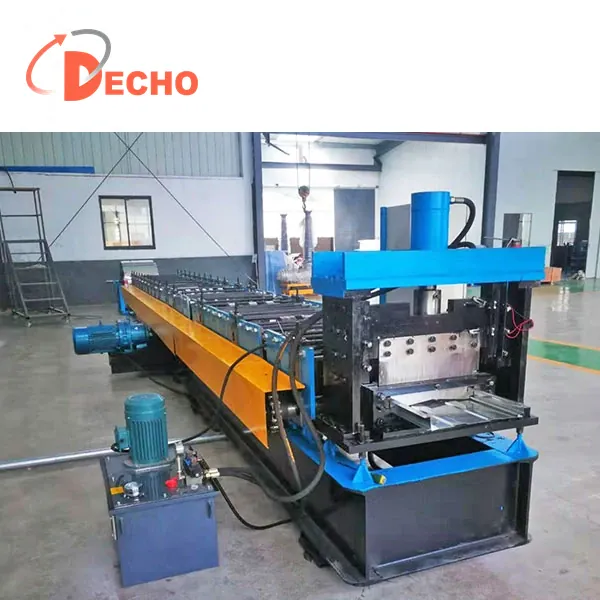
Complex profiles often require more roller stands, precise tooling design, and careful control of the forming process. The machine needs to be able to handle multiple bends, curves, and embossments without causing any defects. For example, Standing Seam Roll Former products typically have complex interlocking mechanisms that need to be formed accurately for proper installation and performance.
In conclusion, the performance of a metal roll forming machine is influenced by a multitude of factors, including material properties, roll tooling design, drive system, control system, operator skill, maintenance, environmental factors, and product complexity. As a supplier of Metal Roll Forming Machines, we understand the importance of considering these factors when providing solutions to our customers.
If you are in the market for a metal roll forming machine or need advice on improving the performance of your existing machine, we are here to help. Our team of experts can assist you in selecting the right machine, optimizing the forming process, and providing comprehensive after - sales support. Contact us today to start a discussion about your specific requirements and let us help you achieve the best results with your metal roll forming operations.
References
- "Roll Forming Technology Handbook" by Wayne A. Thiel
- "Metal Forming: Mechanics and Metallurgy" by Dieter K. Mattheck and Norbert H. Mitschang
- Industry whitepapers on metal roll forming machine performance optimization.