As a supplier of Cold Roll Formers, I often get asked about the potential applications of our machines across various industries. One question that has come up more frequently lately is whether a Cold Roll Former can be used in the aerospace industry. In this blog post, I'll delve into this topic, exploring the feasibility, benefits, and challenges of using Cold Roll Formers in aerospace manufacturing.
Understanding Cold Roll Forming
Before we discuss its applicability in the aerospace industry, let's briefly understand what cold roll forming is. Cold roll forming is a continuous bending operation in which a long strip of metal, typically coiled steel, is passed through consecutive sets of rolls, or stands, each performing an incremental part of the bend, until the desired cross-sectional shape is obtained. This process is carried out at room temperature, which helps maintain the material's mechanical properties while achieving high precision and consistency in the formed parts.
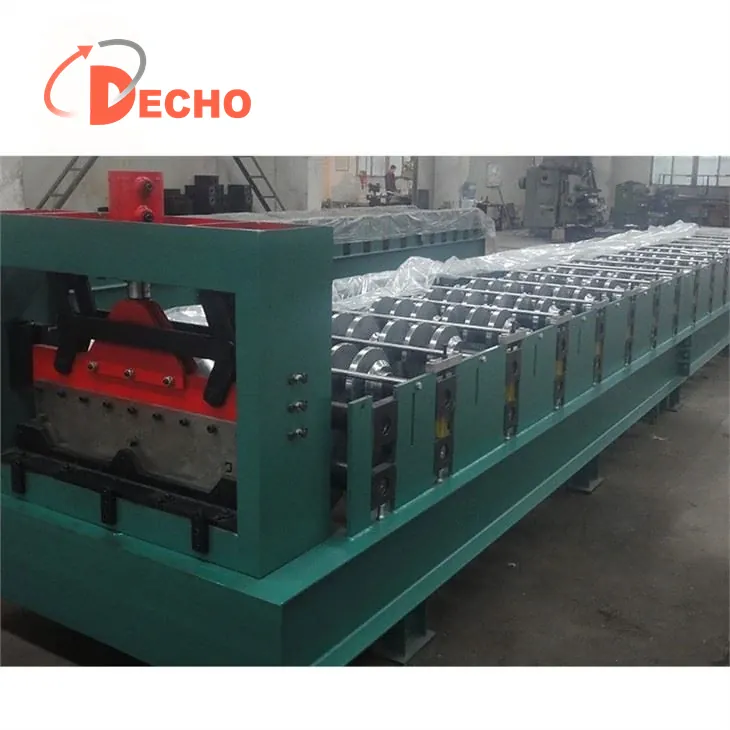
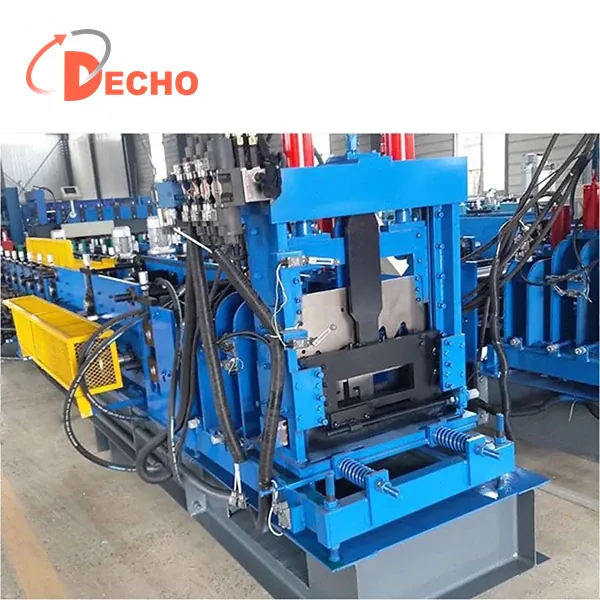
Cold roll forming offers several advantages, including high production rates, the ability to form complex shapes, and cost - effectiveness for large - volume production. Our company offers a range of Sheet Metal Roll Forming Machines that are designed to meet different manufacturing needs.
The Aerospace Industry's Requirements
The aerospace industry has extremely high standards when it comes to the materials and manufacturing processes used. Components in aerospace applications must meet strict requirements for strength, weight, corrosion resistance, and dimensional accuracy. For example, aircraft structures need to be lightweight to improve fuel efficiency but also strong enough to withstand the extreme forces experienced during flight.
Materials commonly used in aerospace include aluminum alloys, titanium alloys, and high - strength steels. These materials are chosen for their excellent strength - to - weight ratios and corrosion resistance. Manufacturing processes in aerospace must be able to handle these materials precisely and consistently to ensure the safety and performance of the aircraft.
Feasibility of Cold Roll Forming in Aerospace
Material Compatibility
Many of the materials used in the aerospace industry can be cold roll formed. Aluminum alloys, which are widely used in aircraft structures due to their low density and good corrosion resistance, are well - suited for cold roll forming. Titanium alloys, although more difficult to form due to their high strength and low ductility, can also be cold roll formed with the right equipment and process parameters. High - strength steels, another common aerospace material, can be effectively formed using cold roll forming techniques.
Shape Complexity
Cold roll forming can produce a wide range of complex cross - sectional shapes, which is beneficial for aerospace applications. For example, it can be used to form structural components such as frames, channels, and brackets with precise dimensions. These components often have unique shapes that are optimized for strength and weight reduction, and cold roll forming can achieve these shapes with high accuracy.
Precision and Consistency
Precision is crucial in the aerospace industry, and cold roll forming can deliver high levels of dimensional accuracy. The process is highly repeatable, ensuring that each formed part meets the strict specifications required for aerospace applications. This consistency is essential for the proper assembly and performance of aerospace components.
Benefits of Using Cold Roll Formers in Aerospace
Cost - Efficiency
Cold roll forming is a cost - effective manufacturing process, especially for large - volume production. The high production rates and low tooling costs associated with cold roll forming can result in significant cost savings compared to other manufacturing methods such as machining or forging. This is particularly important in the aerospace industry, where cost control is a major concern.
Lightweight Design
As mentioned earlier, weight reduction is a key goal in aerospace design. Cold roll forming can be used to create lightweight components by optimizing the shape and thickness of the formed parts. For example, by using thin - walled sections and complex geometries, cold roll - formed components can provide the necessary strength while minimizing weight.
Integration with Other Processes
Cold roll forming can be easily integrated with other manufacturing processes such as welding, machining, and surface treatment. This allows for the production of more complex aerospace components that combine the advantages of different processes. For instance, a cold roll - formed component can be welded to other parts to create a larger assembly, and then machined to achieve the final dimensions and surface finish.
Challenges of Using Cold Roll Formers in Aerospace
Material Properties
While many aerospace materials can be cold roll formed, the process can sometimes affect the material's mechanical properties. For example, cold working during the roll - forming process can increase the strength of the material but may also reduce its ductility. This requires careful control of the process parameters to ensure that the final part meets the required material properties.
Quality Control
The aerospace industry has strict quality control requirements. Ensuring the quality of cold roll - formed parts involves monitoring various parameters such as material thickness, dimensional accuracy, and surface finish. Non - destructive testing methods may also be required to detect any internal defects in the formed parts.
Tooling Design
Designing the appropriate tooling for cold roll forming aerospace components can be challenging. The tooling must be able to handle the high - strength materials used in aerospace and produce the complex shapes with high precision. Additionally, the tooling must be durable enough to withstand the high production volumes typically required in aerospace manufacturing.
Our Cold Roll Formers for Aerospace Applications
Our company offers a range of cold roll formers that can be customized to meet the specific requirements of the aerospace industry. Our Stainless Steel Water Tank Making Machine technology can be adapted to form aerospace - grade materials, and our Portable Roll Forming Machine can provide flexibility in different production environments.
We have a team of experienced engineers who can work closely with aerospace manufacturers to design and develop the most suitable cold roll - forming solutions. We also offer comprehensive after - sales support, including maintenance, repair, and technical assistance.
Conclusion
In conclusion, cold roll forming has significant potential for use in the aerospace industry. Its ability to handle a variety of aerospace materials, produce complex shapes with high precision, and offer cost - effective solutions makes it an attractive manufacturing option. However, there are also challenges that need to be addressed, such as controlling material properties and ensuring strict quality control.
If you are an aerospace manufacturer looking for a reliable cold roll - forming solution, we would be delighted to discuss your requirements. Our team of experts can provide you with detailed information and customized solutions to meet your specific needs. Contact us today to start a conversation about how our cold roll formers can benefit your aerospace manufacturing processes.
References
- ASM Handbook, Volume 14A: Metalworking - Rolling, Forging, Extrusion, and Drawing. ASM International.
- "Aerospace Materials and Processes Handbook" by SAE International.
- Research papers on cold roll forming and its applications in the aerospace industry from academic journals such as the Journal of Manufacturing Processes and the International Journal of Machine Tools and Manufacture.