Hey there! As a supplier of Profile Forming Machines, I've seen firsthand how crucial it is to transport these beasts safely. These machines are not only expensive but also quite delicate in terms of their internal components and overall structure. A single mishap during transportation can lead to significant damage, which means lost time and money for everyone involved. So, let's dive into how you can transport a Profile Forming Machine safely.
Pre - Transport Preparation
First things first, you gotta do a thorough inspection of the machine. Check for any loose parts, damaged components, or signs of wear and tear. Tighten any loose bolts or screws and replace any parts that look like they might cause problems during the journey. This is also a good time to clean the machine. Removing any dirt, debris, or leftover materials from the machine not only makes it look better but also helps prevent any potential damage that could be caused by these particles shifting around during transport.
Next, you need to create a detailed inventory of all the parts and accessories that come with the machine. This includes things like cutting tools, control panels, and any additional fixtures. Having an inventory list will help you keep track of everything and ensure that nothing gets lost or left behind. It's also a good idea to take photos of the machine from multiple angles before it's loaded onto the transport vehicle. These photos can serve as evidence in case there's any damage during transit.
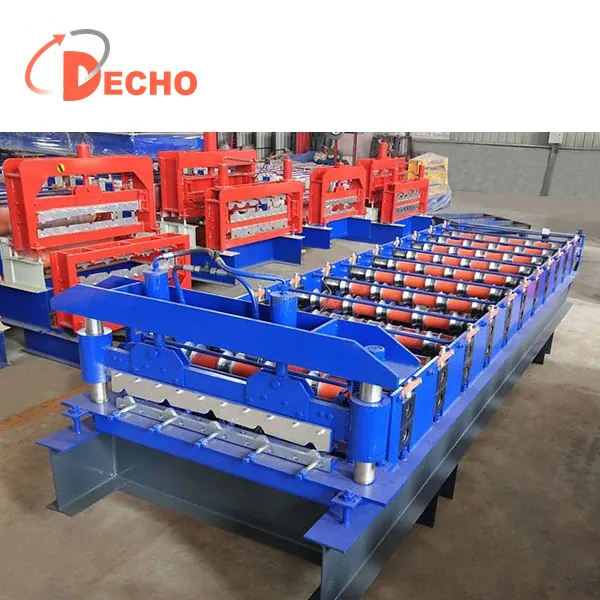
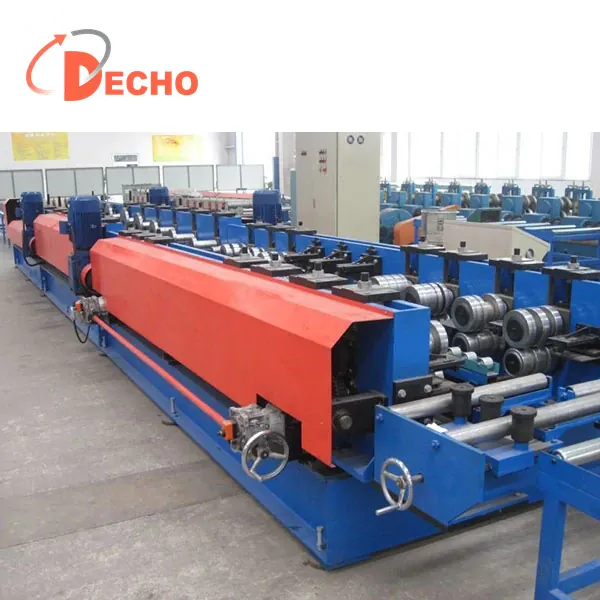
Packaging
Proper packaging is key to protecting your Profile Forming Machine during transport. Start by using high - quality packing materials. Foam padding is great for cushioning the machine and preventing it from getting scratched or dented. You can wrap the machine in several layers of foam, paying special attention to the more vulnerable areas like the control panel and the cutting edges.
After wrapping the machine in foam, place it in a sturdy wooden crate. The crate should be custom - made to fit the exact dimensions of the machine, so there's no room for it to move around inside. Make sure the crate is well - constructed with strong joints and reinforced corners. You can also use straps or brackets inside the crate to secure the machine in place.
For smaller parts and accessories, pack them in individual plastic bags or boxes and label them clearly. Then, place these bags or boxes inside the crate with the main machine. This way, everything stays organized and protected.
Choosing the Right Transport Vehicle
Not all transport vehicles are suitable for moving a Profile Forming Machine. You need to choose a vehicle that can handle the weight and size of the machine. For larger machines, a flatbed truck is usually the best option. Flatbed trucks provide a stable platform for the machine and allow for easy loading and unloading.
When selecting a transport company, make sure they have experience in transporting heavy machinery. Check their reviews and ask for references. A reputable transport company will have the necessary equipment and expertise to ensure that your machine arrives at its destination safely. They should also have insurance coverage in case of any accidents or damage during transit.
Loading and Unloading
Loading and unloading the Profile Forming Machine are critical steps in the transportation process. You need to use the right equipment, such as a forklift or a crane, to lift the machine onto the transport vehicle. Make sure the equipment is in good working condition and that the operators are trained and experienced.
During loading, be careful not to tilt the machine too much or drop it. The machine should be placed on the transport vehicle in a stable and balanced position. Use straps or chains to secure the machine to the vehicle to prevent it from shifting during transit.
When it comes to unloading, follow the same safety procedures. Unload the machine slowly and carefully, and make sure it's placed on a flat and stable surface.
Route Planning
Before the machine is transported, plan the route carefully. Avoid roads with rough terrain, low bridges, or narrow passages that could pose a risk to the machine. Check the weather forecast along the route as well. Bad weather conditions like heavy rain, snow, or strong winds can make the transportation process more dangerous.
It's also a good idea to have a backup route in case there are any unexpected road closures or traffic jams. Provide the transport driver with detailed instructions about the route and any special requirements.
Monitoring the Shipment
Once the machine is on its way, you can use tracking technology to monitor its progress. Many transport companies offer real - time tracking services that allow you to see the location of the vehicle at any time. This gives you peace of mind and allows you to stay informed about the status of your shipment.
If possible, stay in contact with the transport driver. Check in regularly to see if there are any issues or delays. This way, you can address any problems quickly and ensure that the machine arrives on time.
Conclusion
Transporting a Profile Forming Machine safely requires careful planning, proper packaging, and the right equipment. By following these steps, you can minimize the risk of damage to the machine and ensure that it arrives at its destination in perfect condition.
If you're in the market for a Profile Forming Machine, we've got a great range of options for you. Check out our Cable Tray Roll Forming Machine, Duplex Roll Forming Machine, and Sheet Metal Forming Machines. And if you have any questions about transportation or need help choosing the right machine for your needs, don't hesitate to reach out to us. We're here to assist you every step of the way.
References
- Industry best practices for transporting heavy machinery.
- Experience and knowledge gained from years of supplying Profile Forming Machines.