Hey there! As a supplier of forming machines, I often get asked if these machines can be used in the automotive industry. Well, the short answer is yes, and in this blog, I'll dive deep into how and why forming machines are a game - changer in the automotive world.
First off, let's understand what a forming machine is. A forming machine is a device that shapes materials, usually metal sheets, into various forms. There are different types, like Corrugated Forming Machine, Roof Tile Machine, and Corrugated Roof Sheeting Machine. While these names might make you think of construction, their applications go far beyond that.
In the automotive industry, precision is key. Every part of a car, from the body panels to the engine components, needs to be made with high accuracy. Forming machines are perfect for this. They can create parts with consistent shapes and dimensions, which is crucial for the overall performance and safety of the vehicle.
One of the main uses of forming machines in the automotive industry is for making body panels. Car bodies are made up of multiple panels that need to fit together seamlessly. Forming machines can take large sheets of metal and shape them into the complex curves and angles required for modern car designs. For example, a sedan's sleek curves or an SUV's boxy shape can all be achieved using these machines. The ability to form these panels with high precision means that the car looks good and also has better aerodynamics, which in turn improves fuel efficiency.
Another area where forming machines shine is in the production of engine components. Engine parts need to be strong and durable to withstand the high - pressure and high - temperature environment inside the engine. Forming machines can create parts like pistons, connecting rods, and valve covers. By shaping the metal in a specific way, the machines can enhance the strength and performance of these components. For instance, forming a piston with the right shape and thickness can improve its compression ratio, leading to better engine power.
Let's talk about the cost - effectiveness of using forming machines in the automotive industry. Mass production is a big part of the automotive business. Producing parts in large quantities requires a method that is both efficient and cost - friendly. Forming machines fit the bill perfectly. Once the machine is set up with the right mold or die, it can produce parts at a high speed. This reduces the labor cost associated with manual shaping and also minimizes material waste. For example, instead of cutting and shaping a piece of metal by hand, a forming machine can use a continuous sheet of metal and form it into the desired part, using almost all of the material.
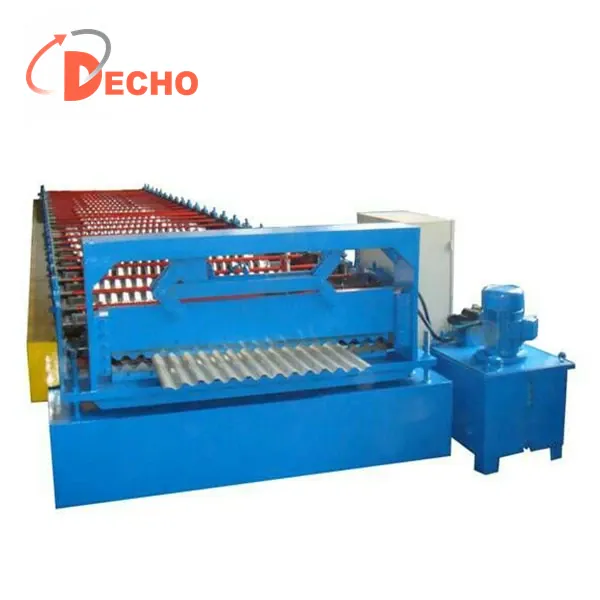
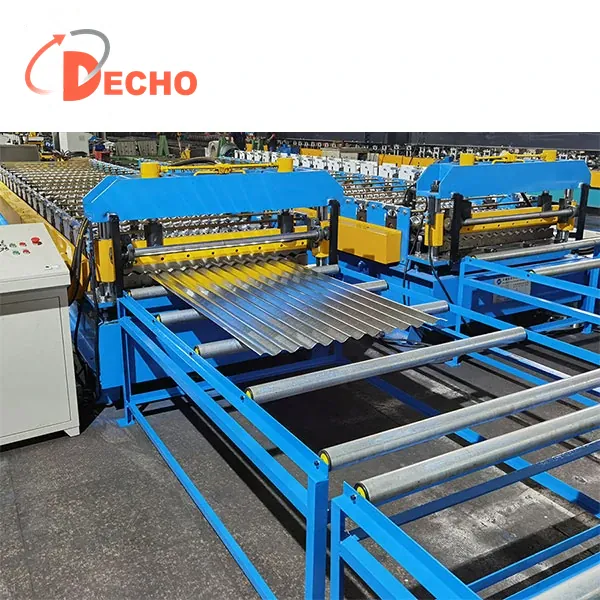
Quality control is also a major advantage of using forming machines. In the automotive industry, a single defective part can lead to a recall, which is extremely costly for the manufacturer. Forming machines have built - in quality control features. They can monitor the forming process in real - time, ensuring that each part meets the required specifications. If there is any deviation from the standard, the machine can automatically adjust or alert the operator. This helps in maintaining a high level of quality across all the parts produced.
Now, let's consider the flexibility of forming machines. The automotive industry is constantly evolving, with new models and designs being introduced regularly. Forming machines can adapt to these changes easily. They can be reprogrammed or retooled to produce different parts for different car models. For example, if a car manufacturer decides to update a model's body style, the forming machine can be adjusted to create the new panels. This flexibility allows car manufacturers to stay competitive in the market by quickly adapting to changing consumer demands.
However, it's not all smooth sailing. There are some challenges associated with using forming machines in the automotive industry. One of the main challenges is the initial investment. Buying and setting up a forming machine can be quite expensive. The cost of the machine itself, along with the cost of the molds and dies, can be a significant upfront expense. But, when you consider the long - term benefits in terms of cost - savings, quality, and efficiency, it's often a worthwhile investment.
Another challenge is the need for skilled operators. Operating a forming machine requires a certain level of expertise. The operator needs to understand how to set up the machine, program it, and troubleshoot any issues that may arise. Car manufacturers need to invest in training their employees to ensure that the machines are used correctly and efficiently.
Despite these challenges, the future looks bright for the use of forming machines in the automotive industry. With the advancements in technology, forming machines are becoming even more sophisticated. They are becoming faster, more precise, and easier to operate. For example, the integration of artificial intelligence and machine learning in forming machines allows for even better quality control and process optimization.
In conclusion, forming machines are an essential part of the automotive industry. They offer precision, cost - effectiveness, quality control, flexibility, and the ability to create complex parts. Whether you're a car manufacturer looking to improve your production process or a supplier of automotive parts, using forming machines can give you a competitive edge.
If you're in the automotive industry and are interested in learning more about how our forming machines can benefit your business, I'd love to hear from you. We can have a detailed discussion about your specific needs and how our machines can be customized to meet them. Reach out to us, and let's start a conversation about taking your automotive production to the next level.
References
- Automotive Manufacturing Handbook
- Precision Forming Technology Journal
- The Future of Automotive Production Research Report