What is the production capacity of a metal sheet making machine?
As a trusted supplier of metal sheet making machines, I often encounter inquiries from clients about the production capacity of these machines. Understanding the production capacity is crucial for businesses looking to invest in such equipment, as it directly impacts productivity, efficiency, and ultimately, profitability. In this blog post, I will delve into the factors that influence the production capacity of a metal sheet making machine and provide insights to help you make an informed decision.
Factors Affecting Production Capacity
The production capacity of a metal sheet making machine is determined by several key factors, each of which plays a significant role in the overall performance of the equipment. Let's take a closer look at these factors:
- Machine Design and Configuration: The design and configuration of the machine are fundamental to its production capacity. Machines with advanced features and technologies, such as high-speed motors, precision controls, and automated feeding systems, are generally capable of higher production rates. Additionally, the number of stations, the type of forming process, and the size of the machine can also impact its capacity.
- Material Thickness and Type: The thickness and type of the metal sheet being processed have a direct influence on the production capacity. Thicker materials require more force and time to form, which can slow down the production process. Similarly, different types of metals have varying properties, such as hardness and ductility, which can affect the machine's ability to process them efficiently.
- Tooling and Die Design: The quality and design of the tooling and dies used in the machine are critical for achieving high production rates. Well-designed tooling can reduce the forming time, minimize material waste, and improve the overall quality of the finished product. Regular maintenance and replacement of worn-out tooling are also essential to ensure consistent performance.
- Operator Skill and Experience: The skill and experience of the machine operator can significantly impact the production capacity. A trained and experienced operator can optimize the machine settings, troubleshoot issues quickly, and ensure smooth operation, leading to higher productivity. Proper training and ongoing support are essential to maximize the potential of the machine.
- Production Environment: The production environment, including factors such as temperature, humidity, and dust levels, can also affect the performance of the metal sheet making machine. Extreme temperatures or high humidity can cause the machine to malfunction or reduce its efficiency. Maintaining a clean and stable production environment is crucial for optimal performance.
Measuring Production Capacity
The production capacity of a metal sheet making machine is typically measured in terms of the number of parts or sheets produced per hour or per shift. This metric provides a clear indication of the machine's productivity and can be used to compare different models and manufacturers. However, it is important to note that the actual production capacity may vary depending on the factors mentioned above.
In addition to the number of parts produced, other metrics that can be used to evaluate the production capacity include the cycle time, which is the time required to complete one full cycle of the machine's operation, and the throughput, which is the amount of material processed per unit of time. These metrics can provide valuable insights into the efficiency and performance of the machine.
Examples of Production Capacity
To give you a better understanding of the production capacity of metal sheet making machines, let's take a look at some examples:
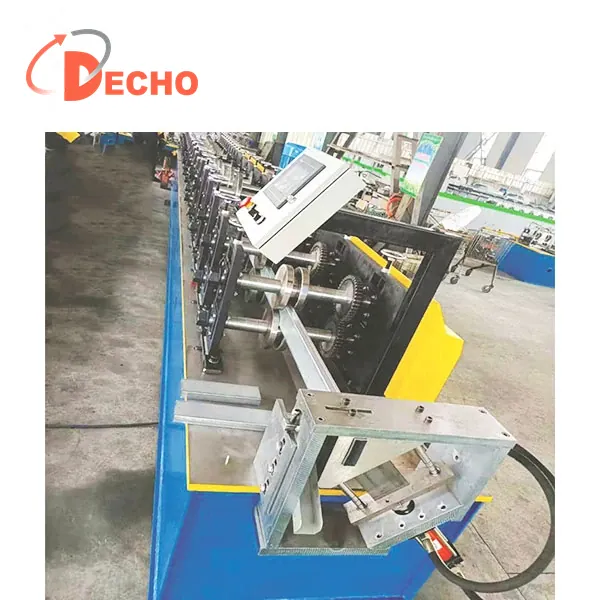
- Roller Shutter Forming Machine: A Roller Shutter Forming Machine is designed to produce roller shutters, which are commonly used for doors and windows. Depending on the machine's specifications and the thickness of the material, a roller shutter forming machine can produce anywhere from 10 to 30 linear meters of roller shutters per hour.
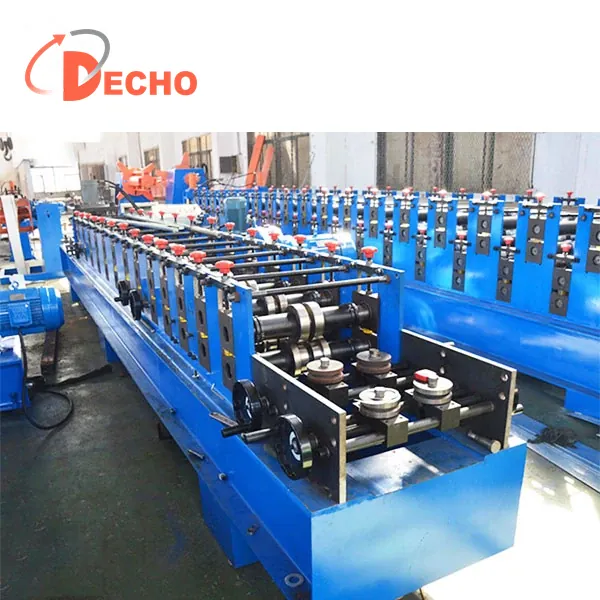
- CZ Purlin Machine: A CZ Purlin Machine is used to produce C and Z-shaped purlins, which are widely used in the construction industry. The production capacity of a CZ purlin machine can range from 5 to 20 pieces per minute, depending on the size and thickness of the purlins.
- Guardrail Roll Forming Machine: A Guardrail Roll Forming Machine is used to produce guardrails, which are essential for road safety. The production capacity of a guardrail roll forming machine can vary depending on the machine's speed and the complexity of the guardrail design. On average, a guardrail roll forming machine can produce 10 to 20 pieces of guardrails per hour.
Maximizing Production Capacity
To maximize the production capacity of your metal sheet making machine, it is important to implement the following strategies:
- Optimize Machine Settings: Work with a qualified technician to optimize the machine settings based on the specific material and product requirements. This can include adjusting the speed, pressure, and forming parameters to achieve the best results.
- Use High-Quality Materials: Using high-quality materials can improve the machine's performance and reduce the risk of downtime. Choose materials that are suitable for the machine's capabilities and ensure they are properly stored and handled to prevent damage.
- Maintain the Machine Regularly: Regular maintenance is essential to keep the machine in good working condition and prevent breakdowns. Follow the manufacturer's recommended maintenance schedule, including lubrication, cleaning, and inspection of the machine's components.
- Invest in Training and Support: Provide your operators with comprehensive training on the operation and maintenance of the machine. Ongoing support and technical assistance can help them troubleshoot issues quickly and ensure smooth operation.
- Implement Lean Manufacturing Principles: Lean manufacturing principles, such as reducing waste, improving workflow, and increasing efficiency, can be applied to the metal sheet making process to maximize production capacity. This can include implementing a just-in-time inventory system, optimizing the layout of the production area, and streamlining the production process.
Conclusion
The production capacity of a metal sheet making machine is influenced by several factors, including machine design, material thickness, tooling, operator skill, and production environment. By understanding these factors and implementing strategies to optimize the machine's performance, you can maximize the production capacity and achieve higher productivity and profitability.
If you are considering investing in a metal sheet making machine, I encourage you to contact us to discuss your specific requirements. Our team of experts can provide you with detailed information about our products, including their production capacity, and help you choose the right machine for your business. We also offer comprehensive training and support services to ensure that you get the most out of your investment.
Don't hesitate to reach out to us if you have any questions or need further information. We look forward to the opportunity to work with you and help you take your metal sheet production to the next level.
References
- ASM Handbook, Volume 14A: Metalworking: Bulk Forming. ASM International.
- Manufacturing Engineering and Technology. Serope Kalpakjian and Steven R. Schmid. Pearson.
- Roll Forming Handbook. Roll Forming Association International.