A metal rollformer is a sophisticated piece of equipment that automates the process of bending metal sheets through a series of consecutive rollers. This technology is invaluable in various industries due to its efficiency in producing uniform and precise metal components. The question of whether a metal rollformer can be used for long - term continuous production is of great significance for stakeholders looking to optimize their manufacturing processes. As a supplier of metal rollformers, I am well - positioned to offer an in - depth analysis of this topic.
The Technical Design for Long - Term Use
One of the key aspects enabling a metal rollformer to be used for long - term continuous production is its robust technical design. A high - quality metal rollformer is built with heavy - duty components. The frames are usually made of thick steel plates, which can withstand the high pressure and vibration generated during the operation. For example, the main shaft of a roll former is often forged from high - strength alloy steel. This material not only has high hardness but also good toughness, ensuring that it will not break or deform easily under long - term stress.
The rollers, which are the core working parts of the rollformer, are precisely machined. They are coated with special wear - resistant materials through advanced coating processes. This coating reduces friction between the rollers and the metal sheets, minimizing wear and tear. In addition, the roller die sets are designed with high precision to ensure that each part of the metal sheet is bent accurately and uniformly. This precision design helps to maintain the quality of the products during long - term continuous operation.
Lubrication and Cooling Systems
Effective lubrication and cooling systems are essential for long - term continuous production. A metal rollformer is equipped with a well - designed lubrication system that can apply lubricant to the key parts such as the rollers, bearings, and gears. The lubricant not only reduces friction but also prevents corrosion and contamination. Automatic lubrication systems are becoming more and more common in modern rollformers. These systems can adjust the amount of lubricant according to the operating speed and load of the machine, ensuring that the lubrication is always optimal.
Cooling systems are also crucial, especially when the rollformer is running at high speeds for a long time. The friction between the metal sheets and the rollers generates heat, which, if not dissipated in time, can cause the rollers to expand and affect the accuracy of the forming process. Water - cooled or air - cooled systems are usually used to keep the temperature of the machine within a reasonable range. For instance, a water - cooled system circulates cool water around the rollers to absorb the heat, and then the heated water is cooled in a radiator before being recirculated.
Control and Monitoring Systems
Modern metal rollformers are often equipped with advanced control and monitoring systems. These systems play a vital role in long - term continuous production. The control system allows operators to set the parameters of the rollformer accurately, such as the speed, the number of passes, and the bending angle. Once the parameters are set, the machine can operate automatically, reducing the influence of human factors and ensuring the consistency of the products.
The monitoring system can continuously monitor the operating status of the rollformer. It can detect abnormal vibrations, temperatures, and pressures in real - time. If any problem is detected, the system can send out an alarm immediately and even stop the machine automatically to prevent further damage. For example, if the temperature of a bearing exceeds the normal range, the monitoring system will alert the operator, and the operator can take timely measures such as adding more lubricant or replacing the bearing.
Maintenance Requirements
Although a metal rollformer is designed for long - term continuous production, regular maintenance is still necessary. Maintenance can be divided into daily, weekly, monthly, and annual maintenance.
Daily maintenance mainly includes cleaning the machine, checking the lubrication status, and inspecting the appearance of the components for any visible damage. Weekly maintenance may involve checking the tightness of the bolts and nuts, lubricating some critical parts more thoroughly, and testing the function of the safety devices.
Monthly maintenance usually requires more in - depth inspections, such as checking the wear of the rollers, measuring the accuracy of the forming parts, and calibrating the control system. Annual maintenance is a comprehensive overhaul of the machine, which may include disassembling some major components for cleaning and inspection, and replacing the worn - out parts.
Industry Applications
Metal rollformers have a wide range of applications in different industries, and the need for long - term continuous production varies from industry to industry.
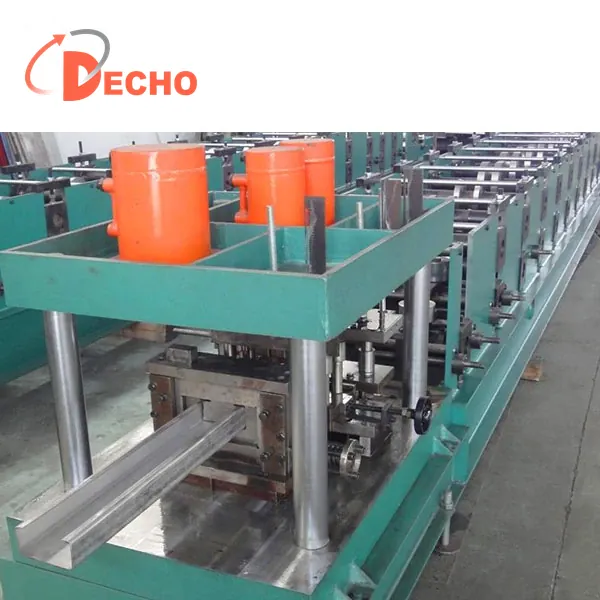
In the construction industry, Purlin Roll Forming Machine are widely used to produce purlins, which are important structural components in buildings. Construction projects often require a large number of purlins, and long - term continuous production is necessary to meet the project schedule. The rollformers used in this industry are usually required to have high production efficiency and stability.
The automotive industry also heavily relies on metal rollformers. Car body parts such as door frames and roof rails are often produced by roll forming. In automotive manufacturing, a high - volume and continuous production process is essential to meet the mass - production requirements. The rollformers in the automotive industry need to be highly accurate and reliable to ensure the quality and safety of the vehicles.
Another important application is the production of highway guardrails. Highway Guardrail Roll Forming Machine are used to produce guardrails with specific shapes and sizes. These machines need to run continuously for a long time to meet the large - scale demand for highway construction and maintenance.
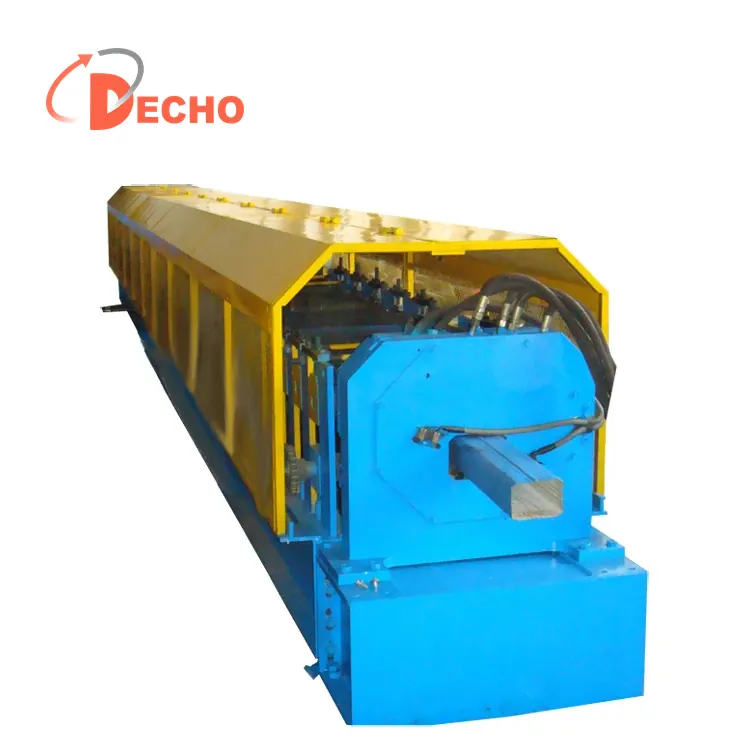
In addition, Downpipe Machine are used to produce downpipes for buildings. The production of downpipes often requires long - term continuous operation to provide sufficient products for different construction projects.
Case Studies
Let's take a look at some real - world case studies to illustrate the long - term continuous production capabilities of metal rollformers. A company that specializes in the production of metal roofing tiles installed a state - of - the - art metal rollformer. They ran the machine continuously for 20 hours a day, five days a week. After six months of operation, they found that the machine was still running stably, and the quality of the roofing tiles remained consistent. The only maintenance they needed to do during this period was the regular lubrication and minor adjustments as required by the maintenance schedule.
Another example is a manufacturer of highway guardrails. They used a high - performance highway guardrail roll - forming machine to produce guardrails for a major highway construction project. The machine ran continuously for three months, producing thousands of meters of high - quality guardrails. The efficient and reliable operation of the rollformer ensured that the project was completed on time.
Challenges and Solutions
However, there are also some challenges in long - term continuous production with metal rollformers. One of the main challenges is the wear and tear of the components. Even with the best - designed machines and lubrication systems, the rollers and other parts will gradually wear out over time. To address this issue, manufacturers can choose high - quality and durable materials for the components, and also develop a reasonable replacement schedule. By regularly replacing the worn - out parts, the performance of the rollformer can be maintained.
Another challenge is the potential for breakdowns due to unexpected factors such as power outages or software glitches. To mitigate the impact of power outages, backup power systems such as generators can be installed. For software glitches, regular software updates and maintenance can help to keep the control system running smoothly.
Conclusion
In conclusion, a metal rollformer can indeed be used for long - term continuous production. Thanks to its robust technical design, effective lubrication and cooling systems, advanced control and monitoring systems, and proper maintenance, it can meet the high - volume production requirements in various industries. Whether it is for the production of purlins, highway guardrails, automotive parts, or downpipes, a well - maintained metal rollformer can operate stably for a long time, producing high - quality products with consistent precision.
If you are interested in exploring the potential of metal rollformers for your long - term continuous production needs or have any questions about our metal rollformer products, we welcome you to contact us for a detailed discussion. Our team of experts is ready to provide you with professional advice and solutions tailored to your specific requirements.
References
- John W. Dally, W. Reza Motavalli. An Introduction to Metal Forming and the Finite - Element Method. Cambridge University Press.
- Dieter, G. E. Mechanical Metallurgy. McGraw - Hill Education.
- Kalpakjian, S., & Schmid, S. R. Manufacturing Engineering and Technology. Pearson.