Hey there! As a sheet roll forming supplier, I've seen firsthand how important it is to understand the storage requirements for sheet roll-formed products. In this blog, I'll share some key points on this topic to help you keep your products in top - notch condition.
1. Understanding the Basics of Sheet Roll - Formed Products
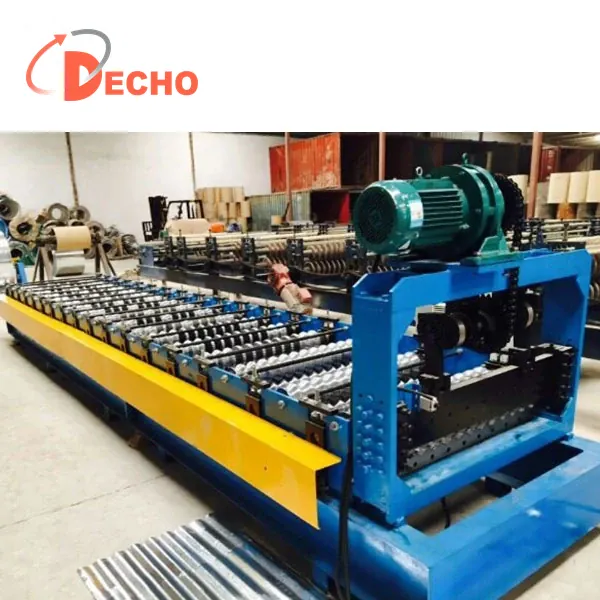
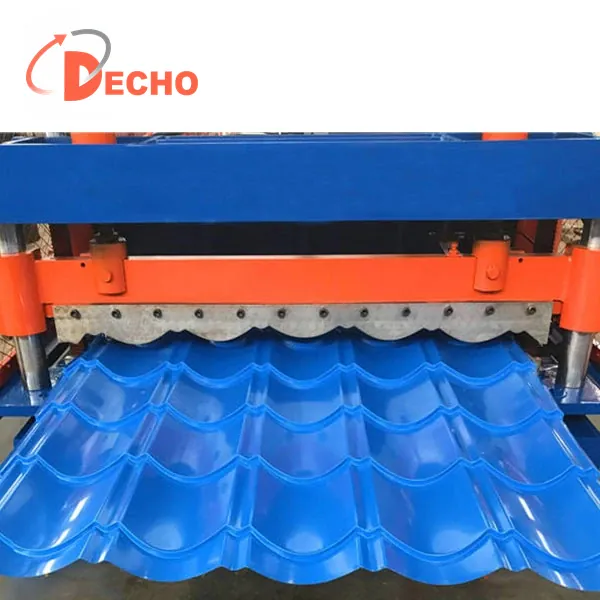
Before we dive into storage, let's quickly talk about what sheet roll - formed products are. We use machines like the Corrugated Roll Forming Machine, Glazed Tile Roll Forming Machine, and Metal Roof Making Machine to transform flat metal sheets into various shapes. These products are widely used in construction, automotive, and other industries.
2. Environmental Conditions
Temperature
Temperature plays a huge role in storing sheet roll - formed products. Extreme temperatures can cause expansion or contraction of the metal. For most common metals like steel and aluminum, a storage temperature between 10°C and 30°C is ideal. If it's too cold, the metal can become brittle, increasing the risk of cracking during handling. On the other hand, high temperatures can lead to surface oxidation and a change in the metal's mechanical properties.
Humidity
Humidity is another critical factor. High humidity levels can cause rusting, especially for ferrous metals. To prevent this, aim for a relative humidity of less than 60%. You can use dehumidifiers in your storage area if necessary. For non - ferrous metals like aluminum, while they are more resistant to rust, high humidity can still cause surface corrosion over time.
Ventilation
Good ventilation is essential to maintain a stable environment. It helps to remove moisture and any potentially harmful gases that could react with the metal. Make sure your storage facility has proper air circulation. You can install fans or vents to ensure fresh air is constantly flowing through the area.
3. Storage Location
Indoor vs. Outdoor Storage
Indoor storage is generally the best option for sheet roll - formed products. It provides better protection against the elements such as rain, snow, and direct sunlight. However, if you have to store them outdoors, make sure they are covered with waterproof tarps. The tarps should be secured properly to prevent wind from blowing them off. Also, the products should be placed on pallets to keep them off the ground and away from standing water.
Elevated Storage
Whether indoors or outdoors, storing the products on elevated platforms or pallets is a smart move. This helps to prevent moisture from seeping into the bottom layers of the sheets. It also makes it easier to move the products around using forklifts or other handling equipment.
4. Stacking and Handling
Stacking Rules
When stacking sheet roll - formed products, it's important to stack them evenly. Uneven stacking can cause stress on the sheets, leading to deformation. Make sure the weight is distributed evenly across the stack. Also, limit the height of the stack to prevent the bottom sheets from being crushed. For most standard sheets, a stack height of no more than 1.5 meters is recommended.
Handling Precautions
During handling, use proper equipment like cranes, forklifts, or hoists. Make sure the equipment is in good working condition and that the operators are well - trained. Avoid dragging the sheets on rough surfaces as this can scratch the surface and expose the metal to corrosion.
5. Protection from Contamination
Dust and Debris
Dust and debris can accumulate on the surface of the sheet roll - formed products. This can not only make the products look bad but also cause abrasion during handling. Regularly clean the storage area to keep it free from dust. You can use a vacuum cleaner or a broom to remove the debris.
Chemical Contamination
Avoid storing the products near chemicals that could react with the metal. For example, acids and alkalis can cause severe corrosion. If there are chemical storage areas in your facility, make sure they are separated from the sheet roll - formed product storage area by a sufficient distance.
6. Inspection and Maintenance
Regular Inspections
Perform regular inspections of the stored products. Check for signs of rust, deformation, or any other damage. If you notice any issues, take immediate action to address them. For example, if you find a small area of rust, you can use a rust remover and then apply a protective coating.
Maintenance of Storage Equipment
Don't forget to maintain the storage equipment as well. Check the pallets for any signs of damage and replace them if necessary. Also, ensure that the ventilation systems, dehumidifiers, and other environmental control equipment are working properly.
7. Packaging
Initial Packaging
When the sheet roll - formed products are first manufactured, they should be properly packaged. This can include wrapping them in plastic film or placing them in protective boxes. The packaging helps to prevent scratches and other minor damages during transportation and initial storage.
Additional Packaging for Long - Term Storage
For long - term storage, you may want to consider additional packaging. You can use anti - rust paper or coatings to provide extra protection against corrosion. This is especially important if the products are going to be stored for an extended period.
8. Inventory Management
First - In, First - Out (FIFO)
Implement a first - in, first - out inventory management system. This means that the products that were received first should be used or shipped out first. This helps to prevent the products from sitting in storage for too long, reducing the risk of damage due to long - term exposure to the environment.
Inventory Tracking
Use an inventory tracking system to keep track of the quantity, location, and age of the products. This can help you manage your storage space more efficiently and ensure that you are using the products in a timely manner.
In conclusion, proper storage of sheet roll - formed products is crucial to maintain their quality and performance. By following these storage requirements, you can minimize the risk of damage and ensure that your products are in excellent condition when they reach your customers.
If you're interested in purchasing sheet roll - formed products or have any questions about our products, feel free to reach out to us. We're always happy to have a chat and discuss your specific needs.
References
- "Handbook of Metal Forming" by George E. Dieter
- "Storage and Handling of Metals" by The American Iron and Steel Institute