Can a rollformer be used in the food industry?
As a rollformer supplier, I am often asked about the versatility of our machines. One question that has come up more frequently lately is whether a rollformer can be used in the food industry. This is an interesting and important topic, as the food industry has unique requirements and strict regulations.
Understanding Rollformers
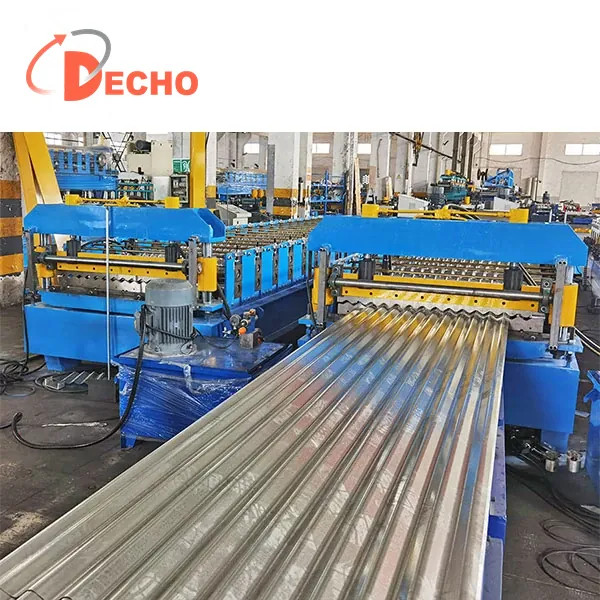
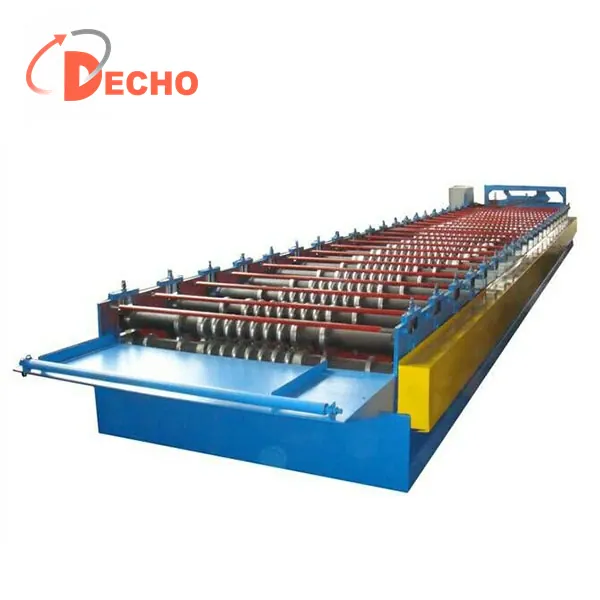
First, let's briefly explain what a rollformer is. A roll former, also known as a Roll Former Machine, is a piece of equipment that transforms flat metal sheets into specific shapes through a series of rolling stations. Each station gradually bends the metal sheet until the desired cross - sectional shape is achieved. Rollformers are commonly used in industries such as construction, automotive, and furniture manufacturing to create products like roofing sheets, door frames, and automotive body parts.
Potential Applications in the Food Industry
Packaging
One of the most obvious potential applications of rollformers in the food industry is in packaging. Many food products require metal containers or packaging components. For example, some high - end chocolates or specialty food items are packaged in metal tins. A rollformer can be used to create the sides or lids of these tins. The machine can form the metal sheets into the appropriate shapes with high precision, ensuring a proper fit and a professional appearance.
Moreover, for food products that need protective metal casings, such as certain types of canned goods or vacuum - sealed metal packages, rollformers can produce the necessary parts. The ability to create consistent and accurate shapes is crucial in the packaging industry, as it directly affects the functionality and aesthetics of the final product.
Equipment Components
Food processing equipment often contains metal components that can be manufactured using rollformers. For example, conveyor systems in food factories may have metal frames or guides. A rollformer can produce these components with the required strength and dimensional accuracy. Additionally, some food storage units, like large - scale refrigerated cabinets, may have metal panels that can be formed by a rollformer. These panels need to be precisely shaped to fit the overall design of the storage unit and provide proper insulation and protection for the food.
Challenges and Considerations
Material Compatibility
The food industry has strict regulations regarding the materials that come into contact with food. When using a rollformer in this industry, the choice of metal is crucial. Stainless steel is a popular choice as it is corrosion - resistant, easy to clean, and meets many of the hygiene standards set by food safety authorities. However, not all stainless steels are suitable for food contact. Suppliers need to ensure that the metal used in the roll - forming process is compliant with relevant food safety regulations, such as the FDA (Food and Drug Administration) standards in the United States or the EU food contact regulations in Europe.
Hygiene and Cleaning
Maintaining hygiene is of utmost importance in the food industry. Rollformers used in this context need to be designed for easy cleaning. All parts that come into contact with the metal sheets during the forming process should be smooth and free of crevices where dirt, debris, or bacteria could accumulate. Regular cleaning and sanitation of the rollformer are essential to prevent cross - contamination between different batches of food - related products.
Precision and Consistency
In the food industry, even small variations in the dimensions of packaging or equipment components can cause significant problems. For example, if a metal lid for a food container is not the right size, it may not seal properly, leading to spoilage or contamination of the food. Rollformers need to be highly precise and consistent in their operation. Advanced control systems and quality control measures should be in place to ensure that each part produced meets the required specifications.
Our Rollformer Solutions for the Food Industry
As a rollformer supplier, we understand the unique challenges of the food industry. Our Corrugated Roof Sheeting Machine and Corrugated Roll Forming Machine can be customized to meet the specific needs of food - related applications.
We offer a range of rollforming machines that can work with food - grade stainless steel. Our machines are designed with easy - to - clean surfaces and accessible parts, making it convenient for operators to maintain high levels of hygiene. Additionally, our advanced control systems ensure precise and consistent forming of metal parts, reducing the risk of dimensional errors.
Conclusion and Call to Action
In conclusion, a rollformer can indeed be used in the food industry, provided that the appropriate materials, cleaning procedures, and precision requirements are met. From packaging to equipment components, rollformers have the potential to play an important role in the food industry's manufacturing processes.
If you are in the food industry and are looking for reliable rollforming solutions, we would be more than happy to discuss your specific needs. Our team of experts can provide you with detailed information about our products and how they can be customized to fit your requirements. Whether you need a machine for small - scale production or a large - scale industrial operation, we have the experience and expertise to assist you. Contact us today to start a conversation about how our rollformers can enhance your food - related manufacturing processes.
References
- Food and Drug Administration (FDA). Guidelines for food contact materials.
- European Union. Regulations on food contact substances and materials.
- General literature on roll - forming technology and its applications in various industries.