As a supplier of steel roll forming machines, I often receive inquiries from customers who wonder if they can repair these machines by themselves. This is a valid question, especially considering the costs and time associated with professional repairs. In this blog post, I'll share my insights on this topic, weighing the pros and cons of self - repair and providing some guidance for those who might want to take on the task.
Understanding the Basics of Steel Roll Forming Machines
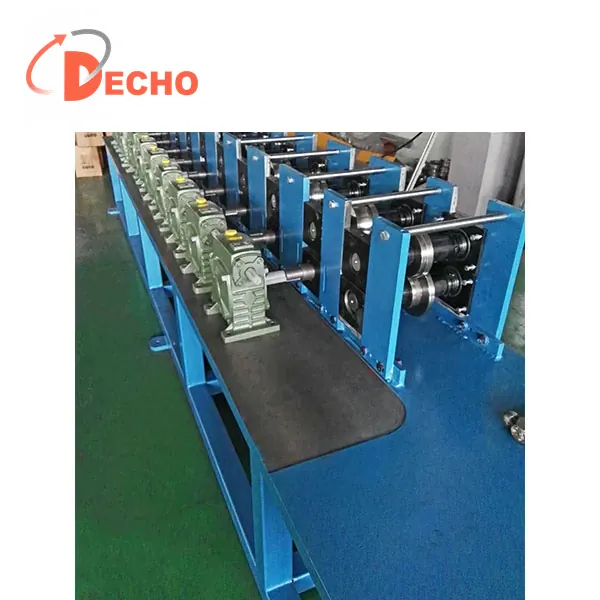
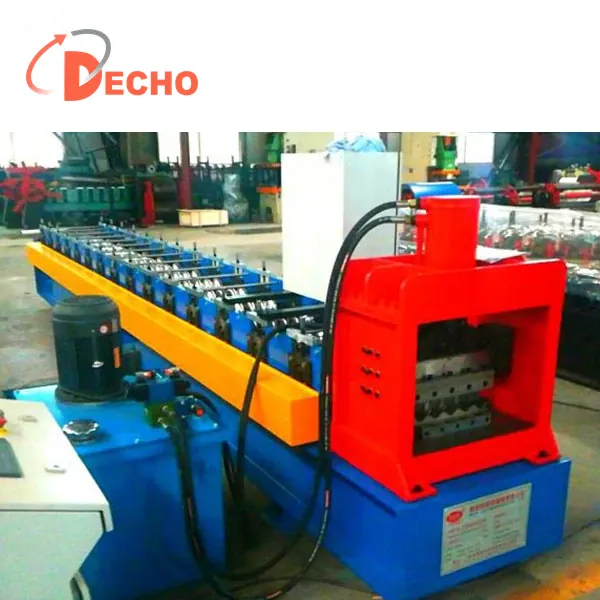
Before diving into the question of self - repair, it's essential to understand what a steel roll forming machine does and its basic components. A steel roll forming machine is a piece of equipment that bends continuous metal strips (coils) through a series of rollers. Each set of rollers makes an incremental bend, gradually forming the metal into a desired cross - sectional shape. These machines are commonly used in manufacturing industries to produce items such as steel beams, roofing panels, and Chinese Roll Forming Machine.
The main components of a steel roll forming machine include the unwinder, which holds the metal coil; the roll stands, which contain the roller sets; the drive system that powers the rollers; the cutting system to cut the formed metal to the required length; and the control system that manages the entire operation.
The Advantages of Self - Repair
Cost Savings
One of the most significant advantages of self - repair is cost savings. Hiring a professional repair service can be expensive, as it often includes not only the cost of parts but also labor charges. For smaller, more straightforward repairs, such as tightening loose bolts or replacing worn belts, customers can save a substantial amount of money by doing it themselves.
Quick Fixes
When a minor issue arises, waiting for a repair technician to arrive can halt production. By repairing the machine on their own, operators can get the machine back up and running quickly, minimizing downtime. This is particularly crucial for businesses with tight production schedules.
Learning Opportunity
Attempting self - repair offers a hands - on learning experience. Operators can gain a deeper understanding of how the machine works, which can be valuable in long - term machine maintenance. They can learn about the different components, their functions, and how they interact with each other.
The Challenges of Self - Repair
Technical Complexity
Steel roll forming machines are complex pieces of equipment. They involve intricate mechanical, electrical, and hydraulic systems. For someone without a sufficient technical background, diagnosing and fixing problems can be extremely difficult. A misdiagnosis can lead to further damage to the machine or a wasted investment in unnecessary parts.
Safety Risks
Working on a steel roll forming machine can be dangerous. The machine has moving parts, high - voltage electrical components, and in some cases, hydraulic systems under high pressure. Without proper safety training and equipment, operators can put themselves at risk of serious injury.
Warranty Concerns
Many steel roll forming machines come with a manufacturer's warranty. If the machine is repaired by an unauthorized person, the warranty may be voided. This means that if a more significant problem occurs in the future, the manufacturer may not cover the cost of repairs.
When Self - Repair is a Good Idea
Minor Repairs
Simple maintenance tasks, such as cleaning the machine, lubricating moving parts, or replacing easily accessible and inexpensive parts like fuses or belts, can usually be done by the machine operator. These tasks do not require a high level of technical expertise and can be safely carried out with basic tools.
Well - Trained Operators
If the operator has received formal training on the specific model of the steel roll forming machine and has experience in troubleshooting and repair, self - repair may be a viable option for more complex issues. However, they should still follow all safety protocols and consult the machine's manual and technical documentation.
When to Seek Professional Help
Complex Electrical or Hydraulic Issues
Problems with the electrical control system or hydraulic components are often beyond the scope of self - repair. These systems require specialized knowledge and tools to diagnose and fix correctly. For example, issues with the programmable logic controller (PLC) or hydraulic leaks should be addressed by a professional technician.
Major Mechanical Failures
If there is a major mechanical failure, such as a broken gear, a damaged roller shaft, or a malfunctioning drive system, it's best to call in a professional. These types of repairs require advanced technical skills and sometimes specialized equipment for disassembly and reassembly.
Guidance for Self - Repair (If You Choose to Do It)
Read the Manual
The first step in any self - repair attempt is to thoroughly read the machine's manual. The manual contains detailed information about the machine's components, operating procedures, and troubleshooting guides. It also provides important safety instructions that must be followed.
Gather the Right Tools
Before starting any repair work, make sure you have all the necessary tools. This may include wrenches, screwdrivers, pliers, and in some cases, more specialized tools such as torque wrenches or electrical testers. Using the wrong tools can cause damage to the machine and increase the risk of injury.
Follow Safety Procedures
Safety should always be the top priority. Wear appropriate safety gear, such as safety glasses, gloves, and steel - toe boots. Make sure the machine is properly shut off and locked out before starting any repair work to prevent accidental startup.
Document the Process
As you work on the machine, document each step of the repair process. This can be helpful in case you run into problems or need to refer back to what you've done. It can also be useful for future maintenance or if you need to provide information to a professional technician.
Conclusion
So, can you repair a steel roll forming machine by yourself? The answer depends on several factors, including the complexity of the problem, your technical skills, and the availability of resources. While self - repair can offer cost savings and quick fixes for minor issues, it's not always the best option, especially for complex problems.
If you're a customer of our steel roll forming machines, we're here to support you. Whether you need advice on self - repair, replacement parts, or professional repair services, we have a team of experts ready to assist you. Our Water Tank Machine and Roll Former Machine are designed with reliability and ease of maintenance in mind, but we understand that issues may still arise.
If you're considering purchasing a steel roll forming machine or have any questions about maintenance and repair, we encourage you to reach out to us for a detailed discussion. We can provide you with all the information you need to make an informed decision and ensure the smooth operation of your machine.
References
- Manufacturer's Manuals for Steel Roll Forming Machines
- Technical literature on industrial machinery repair and maintenance
- Industry - specific best practices for steel roll forming machine operation