Hey there! As a supplier of Cold Roll Formers, I often get asked if these machines require special training to operate. Well, let's dive right into it and break this question down.
First off, what the heck is a Cold Roll Former? A Cold Roll Former is a piece of equipment that shapes metal sheets into various profiles at room temperature. It's used in a whole bunch of industries, like construction, automotive, and manufacturing. You can check out more about Cold Roll Forming Machinery on our website. These machines are pretty nifty because they can produce consistent, high - quality metal profiles in large quantities.
Now, back to the main question: do they need special training? The short answer is yes, but let me explain why.
The Complexity of Cold Roll Formers
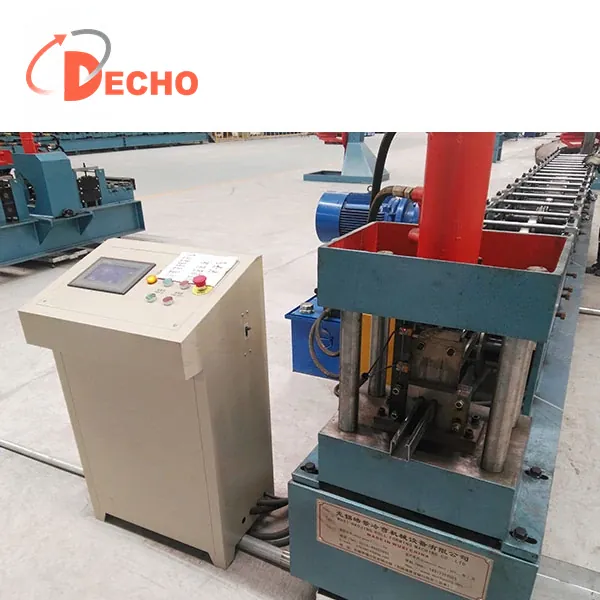
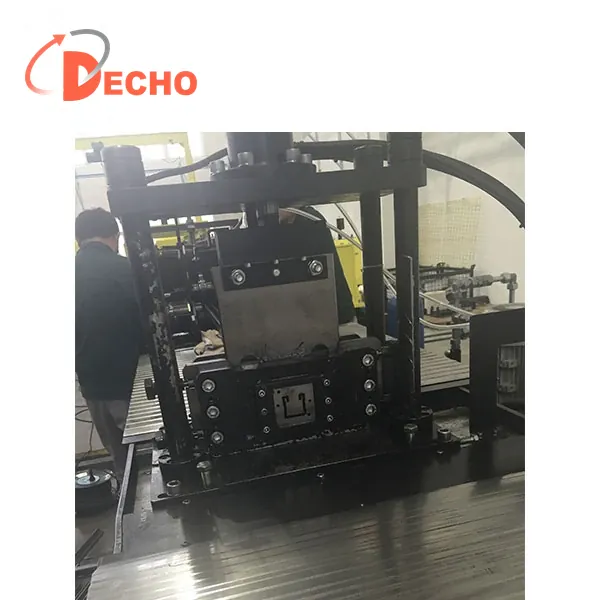
Cold Roll Formers are not your average, run - of - the - mill machines. They've got a bunch of moving parts and complex systems. There are multiple rollers, each with a specific shape and function. These rollers work together to gradually bend and shape the metal into the desired profile. If you don't know how to set up these rollers correctly, you're going to end up with a messed - up product.
For example, if the rollers are misaligned, the metal might not form properly. It could come out with uneven bends, or the dimensions might be off. And in industries where precision is key, like aerospace or automotive manufacturing, even a tiny error can lead to big problems. So, operators need to be trained to adjust the rollers accurately and ensure the machine is running smoothly.
Another aspect is the control system. Most modern Cold Roll Formers come with advanced control panels. These panels allow operators to set parameters like speed, feed rate, and the number of cycles. If an operator doesn't understand how to use these controls, they won't be able to optimize the machine's performance. They might run the machine too fast, which could cause the metal to break or warp, or too slow, which would reduce productivity.
Safety First
Safety is a huge concern when it comes to operating Cold Roll Formers. These machines are powerful, and if not used correctly, they can be extremely dangerous. The moving parts can easily catch clothing, fingers, or even whole limbs. There's also the risk of the metal sheets flying out if they're not properly secured.
Special training covers safety procedures in detail. Operators learn how to properly load and unload the metal sheets, how to use safety guards, and what to do in case of an emergency. They're also taught about the importance of wearing personal protective equipment (PPE), like safety glasses, gloves, and steel - toed boots. Without this training, the risk of accidents is significantly higher, and that's not something any business wants to deal with.
Quality Control
Producing high - quality products is the goal of any manufacturing operation. Cold Roll Formers are no exception. Training helps operators understand the quality control aspects of the process. They learn how to inspect the formed metal profiles for defects, like cracks, scratches, or uneven surfaces.
They're also taught how to make adjustments on the fly to correct any quality issues. For instance, if they notice that the edges of the formed profile are a bit rough, they can adjust the roller pressure or the lubrication to smooth things out. This knowledge is crucial for maintaining a good reputation in the market and keeping customers happy.
Types of Training
There are different types of training available for Cold Roll Former operators. Some manufacturers, like us, offer on - site training. Our experts come to your facility and train your operators right there on the machine. This is great because it allows operators to learn in a real - world environment and get hands - on experience.
There's also online training. Online courses are convenient because operators can learn at their own pace. They can go through the material as many times as they need to until they fully understand it. These courses usually include videos, diagrams, and interactive quizzes to make the learning process more engaging.
Training for Different Skill Levels
Training isn't a one - size - fits - all thing. Different operators have different skill levels, and the training should be tailored accordingly. For new operators, the training will focus on the basics, like how to start and stop the machine, how to load the metal sheets, and the basic safety procedures.
As operators gain more experience, they can move on to more advanced training. This might include learning how to troubleshoot common problems, how to perform maintenance on the machine, and how to optimize the machine for different types of metal and profiles. For example, working with stainless steel requires different settings compared to working with aluminum. Advanced training helps operators understand these differences and make the necessary adjustments.
The Benefits of Trained Operators
Having trained operators on your team has a lot of benefits. First of all, it improves productivity. Trained operators know how to run the machine efficiently, which means they can produce more products in less time. They're also better at troubleshooting problems, so if something goes wrong, they can fix it quickly and get the machine back up and running.
Quality also improves. As I mentioned earlier, trained operators are better at quality control. They can produce consistent, high - quality products, which leads to fewer rejects and happier customers.
And let's not forget about cost savings. When operators are trained, there are fewer accidents and less damage to the machine. This means lower repair costs and less downtime. In the long run, investing in training can actually save a company a lot of money.
Other Related Machines
Cold Roll Formers are just one type of roll - forming machine. There are also Metal Rollformers and Cable Tray Forming Machines. While the basic principles are similar, each type of machine has its own unique features and requirements.
For example, Metal Rollformers are used to form a wide variety of metal products, not just profiles. They might be used to make things like metal roofing panels or gutters. Cable Tray Forming Machines, on the other hand, are specifically designed to produce cable trays, which are used to support and organize electrical cables.
Operators who work with these different types of machines also need specialized training. The training will cover the specific features and functions of each machine, as well as any unique safety procedures.
Conclusion
So, to sum it all up, Cold Roll Formers definitely require special training to operate. The complexity of the machines, the need for safety, and the importance of quality control all make training a necessity. Whether you're a small business just starting out or a large manufacturing company, investing in training for your operators is a smart move.
If you're in the market for a Cold Roll Former or any other roll - forming machine, and you want to learn more about the training options we offer, don't hesitate to reach out. We're here to help you get the most out of your equipment and ensure your operations run smoothly. Contact us to start a conversation about your needs and how we can assist you in your procurement process.
References
- "Roll Forming Handbook" by the Roll Forming Association
- Industry standards and guidelines for cold roll forming equipment