Hey there! As a sheet roll forming supplier, I've seen firsthand how temperature can throw a real wrench into the sheet roll forming process. In this blog, I'll break down exactly how temperature affects this critical manufacturing process and what you can do to mitigate its impact.
Understanding the Basics of Sheet Roll Forming
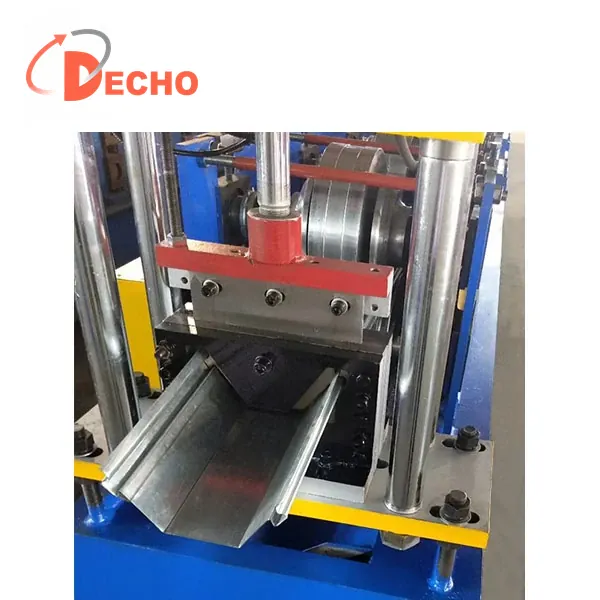
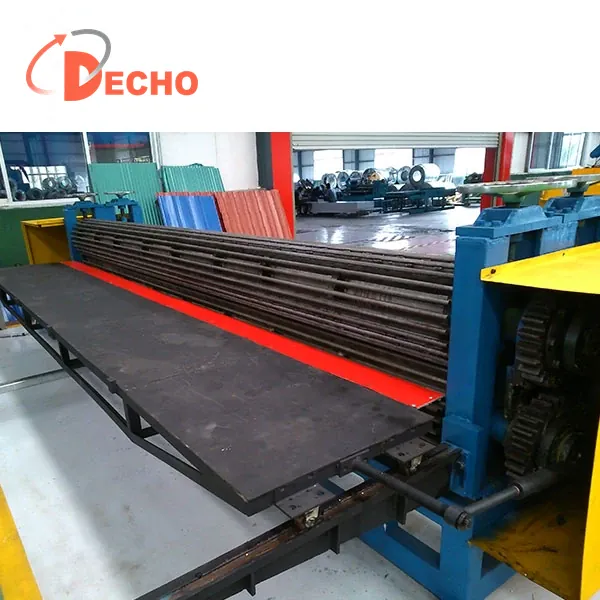
Before we dive into the effects of temperature, let's quickly go over what sheet roll forming is. Sheet roll forming is a continuous bending operation in which a long strip of metal, typically coiled steel or aluminum, is passed through consecutive sets of rolls, or stands, each performing only an incremental part of the bend, until the desired cross-sectional shape is obtained. This process is widely used in various industries to produce a wide range of products, from Rain Gutter Roll Forming Machine components to Roller Shutter Door Forming Machine parts and even Steel Barrel Making Machine elements.
The Impact of Temperature on Sheet Roll Forming
1. Material Properties
Temperature has a significant impact on the mechanical properties of the metal being formed. When the temperature rises, the metal becomes more ductile, which means it can be bent and shaped more easily without cracking. On the other hand, at lower temperatures, the metal becomes more brittle and less malleable, increasing the risk of cracking and other defects during the forming process.
For example, in cold weather conditions, the steel used in sheet roll forming may become so brittle that it can break under the stress of the forming process. This can lead to costly downtime and scrap material. Conversely, if the temperature is too high, the metal may become too soft, causing it to deform unevenly or lose its shape after forming.
2. Tooling and Equipment
Temperature also affects the performance of the tooling and equipment used in sheet roll forming. High temperatures can cause the rolls and other forming tools to expand, leading to dimensional inaccuracies in the formed parts. This can result in parts that do not fit together properly or do not meet the required specifications.
In addition, extreme temperatures can cause the lubricants used in the forming process to break down, reducing their effectiveness and increasing friction between the metal and the tooling. This can lead to increased wear and tear on the equipment, as well as poor surface finish on the formed parts.
3. Production Speed
Temperature can also impact the production speed of the sheet roll forming process. In cold conditions, the metal may require more force to bend, which can slow down the forming process and reduce the overall production rate. On the other hand, in hot conditions, the metal may deform too quickly, making it difficult to control the forming process and resulting in a higher rate of defective parts.
Strategies to Mitigate the Effects of Temperature
1. Temperature Control
One of the most effective ways to mitigate the effects of temperature on sheet roll forming is to control the temperature of the working environment. This can be achieved by using heating or cooling systems to maintain a consistent temperature within the production facility. By keeping the temperature within a narrow range, you can ensure that the metal properties remain stable and that the tooling and equipment perform optimally.
2. Material Selection
Another important strategy is to select the right material for the specific application and temperature conditions. Different metals have different temperature sensitivities, so it's important to choose a material that can withstand the expected temperature range without compromising its mechanical properties. For example, some alloys are specifically designed to have better ductility at low temperatures, making them ideal for use in cold environments.
3. Tooling Design and Maintenance
Proper tooling design and maintenance are also crucial for minimizing the impact of temperature on sheet roll forming. The tooling should be designed to accommodate the thermal expansion and contraction of the metal and the equipment. Regular maintenance, including cleaning, lubrication, and inspection, can help ensure that the tooling remains in good condition and performs consistently over time.
4. Process Optimization
Finally, optimizing the sheet roll forming process itself can help reduce the effects of temperature. This may involve adjusting the forming speed, the pressure applied to the metal, and the number of passes through the rolls. By fine-tuning these parameters, you can achieve the desired shape and quality of the formed parts while minimizing the impact of temperature variations.
Conclusion
As you can see, temperature plays a crucial role in the sheet roll forming process. By understanding how temperature affects the material properties, tooling, and production speed, you can take proactive steps to mitigate its impact and ensure a smooth and efficient manufacturing process.
If you're in the market for a reliable sheet roll forming solution, we'd love to hear from you. Whether you need a Rain Gutter Roll Forming Machine, a Roller Shutter Door Forming Machine, or a Steel Barrel Making Machine, we have the expertise and experience to provide you with the right equipment and support. Contact us today to discuss your specific requirements and let's work together to find the best solution for your business.
References
- "Metals Handbook: Properties and Selection: Irons, Steels, and High-Performance Alloys" by ASM International
- "Manufacturing Engineering & Technology" by S. Kalpakjian and S. R. Schmid