Hey there! I'm a supplier in the sheet roll forming business, and today I wanna chat about the flatness requirement for sheet roll forming. It's a crucial aspect that can make or break the quality of the final product, so let's dig in.
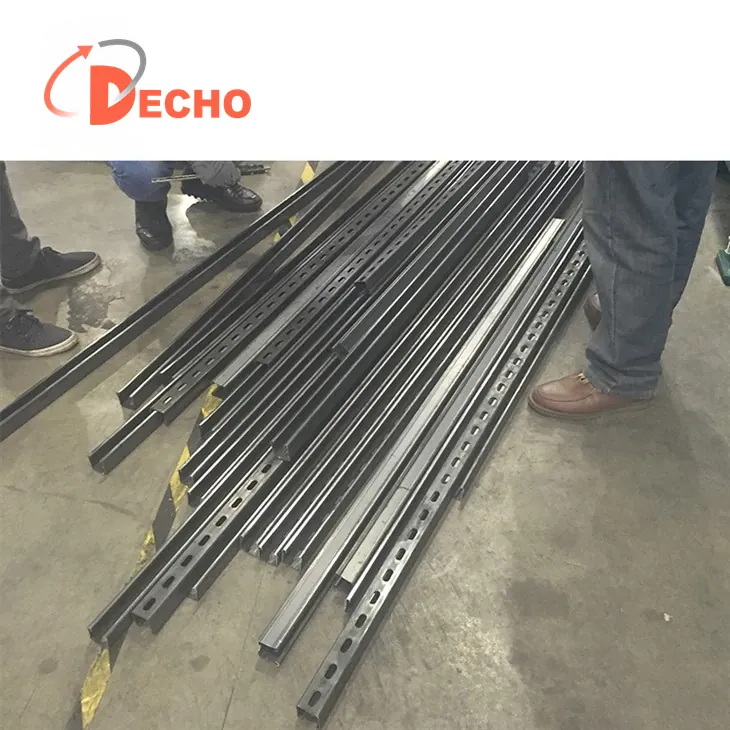
First off, what exactly is flatness in the context of sheet roll forming? Well, flatness refers to how even the surface of the formed sheet is. A flat sheet means there are no significant waves, bumps, or uneven areas. In many industries, like construction, automotive, and manufacturing, having a flat sheet is super important.
In construction, for example, flat sheets are used for roofing, wall panels, and structural components. If the sheets aren't flat, it can lead to problems during installation. The panels might not fit together properly, leaving gaps that can let in water and cause leaks. It can also affect the overall appearance of the building, making it look unprofessional.
The automotive industry also relies heavily on flat sheets. Car bodies are made up of numerous formed sheets, and any lack of flatness can impact the aerodynamics of the vehicle. It can also affect the fit and finish of the car, leading to issues with doors not closing properly or body panels not aligning correctly.
So, what are the factors that affect the flatness of sheet roll formed products? One of the main factors is the quality of the raw material. If the starting sheet has uneven thickness or internal stresses, it can cause problems during the roll forming process. For instance, if the sheet has a thicker section in one area, it might stretch more than the rest of the sheet, resulting in waves or unevenness.
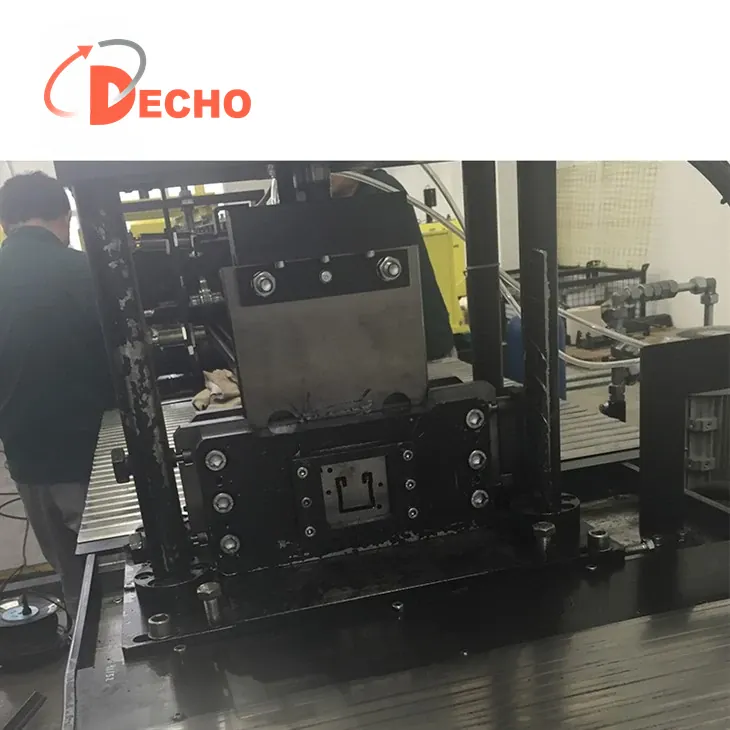
The design and setup of the roll forming machine also play a crucial role. The rolls need to be properly aligned and adjusted to ensure that the sheet is formed evenly. If the rolls are misaligned, it can cause the sheet to bend or twist in the wrong direction, leading to poor flatness.
Another factor is the speed of the roll forming process. If the machine is running too fast, the sheet might not have enough time to form properly, resulting in uneven surfaces. On the other hand, if the speed is too slow, it can increase the production time and cost.
Now, let's talk about how we measure flatness. There are several methods used in the industry. One common method is the visual inspection. This involves simply looking at the sheet and checking for any obvious waves or uneven areas. While this method is quick and easy, it's not very accurate, especially for detecting small variations in flatness.
A more precise method is using a flatness measuring device, such as a laser scanner or a coordinate measuring machine (CMM). These devices can measure the height differences across the surface of the sheet and provide detailed data on the flatness. This data can then be used to determine if the sheet meets the required flatness standards.
As a sheet roll forming supplier, we take flatness requirements very seriously. We use high - quality raw materials and state - of - the - art roll forming machines to ensure that our products meet the highest standards of flatness. We also have a strict quality control process in place, which includes regular inspections and measurements using advanced equipment.
We offer a wide range of roll forming machines, including the CZ Purlin Forming Machine, the Corrugated Sheet Roll Forming Machine, and the Roll Forming Machine For Solar Structure. These machines are designed to produce high - quality, flat sheet products with precision and efficiency.
When it comes to setting the flatness requirements for a specific project, it's important to consider the end - use of the product. Different applications have different tolerance levels for flatness. For example, a roofing sheet might have a looser flatness requirement compared to a component for a high - precision machine.
We work closely with our customers to understand their specific needs and requirements. We can provide customized solutions to ensure that the flatness of the formed sheets meets their exact specifications. Whether you need sheets for a small DIY project or large - scale industrial production, we've got you covered.
If you're in the market for sheet roll forming products or machines, don't hesitate to reach out. We're here to help you get the best - quality products at a competitive price. We can offer technical support, advice on the right machine for your needs, and assistance with installation and maintenance.
In conclusion, flatness is a critical aspect of sheet roll forming. It affects the quality, functionality, and appearance of the final product. As a supplier, we're committed to providing products that meet the highest flatness standards. So, if you're looking for reliable sheet roll forming solutions, give us a shout. We're ready to start a conversation and help you with your project.
References
- "Roll Forming Handbook" by the Roll Forming Association
- Industry standards and guidelines for sheet metal products in construction and automotive sectors