The feeding system in a cold roll former plays a pivotal role in the overall operation and efficiency of the machine. As a leading supplier of cold roll formers, we understand the significance of a well - functioning feeding system and its various functions. In this blog, we will delve into the different functions of the feeding system in a cold roll former.
1. Material Supply and Continuity
The primary function of the feeding system is to supply the raw material, typically a metal coil, to the cold roll former continuously. This is crucial for maintaining a steady production flow. A reliable feeding system ensures that the metal strip is fed into the roll - forming process at a consistent rate, preventing interruptions that could lead to inconsistent product quality or reduced production output.
For instance, in the production of Steel Silo Roll Forming Machine, a continuous supply of metal is required to form the silo components accurately. The feeding system unwinds the metal coil and feeds it into the roll - forming machine without any jams or delays. This not only improves the efficiency of the production process but also ensures that the final silo components meet the required specifications.
2. Material Alignment
Proper alignment of the metal strip is essential for the accurate formation of the desired profile in the cold roll former. The feeding system is equipped with guides and rollers that ensure the metal strip is centered and aligned correctly as it enters the roll - forming section. This alignment prevents the strip from shifting or skewing during the forming process, which could result in defective products.
In the case of Metal Roof Making Machine, precise alignment of the metal sheet is crucial for creating uniform and aesthetically pleasing roof panels. The feeding system aligns the sheet so that it passes through the roll - forming stations in a straight and consistent manner, ensuring that the final roof panels have the correct shape and dimensions.
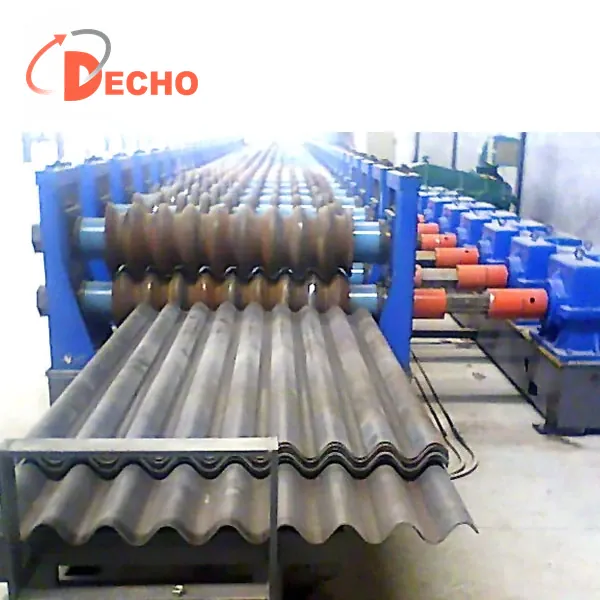
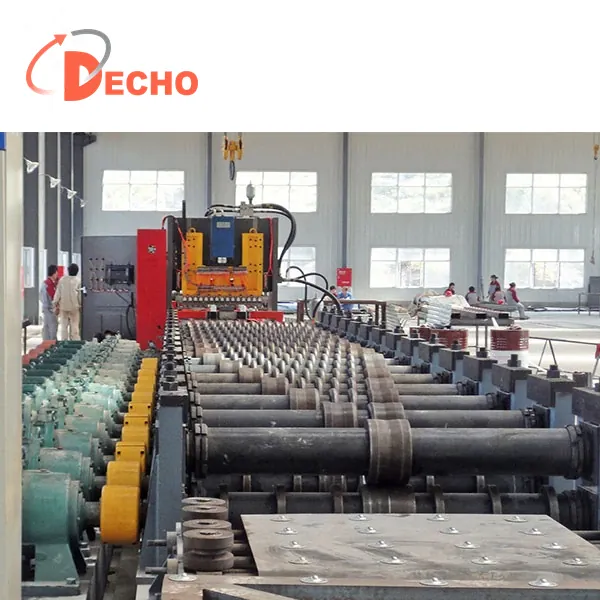
3. Tension Control
Controlling the tension of the metal strip during the feeding process is another important function of the feeding system. Appropriate tension ensures that the strip is fed smoothly into the roll - forming machine and that it maintains its shape and integrity. Too much tension can cause the strip to stretch or break, while too little tension can lead to wrinkling or misalignment.
The feeding system uses tension control mechanisms, such as adjustable brakes and sensors, to monitor and adjust the tension of the metal strip. For example, in the production of Sheet Metal Roll Forming Machines, the feeding system ensures that the sheet metal is fed with the right amount of tension. This helps in achieving a high - quality formed product with consistent thickness and shape.
4. Speed Synchronization
The feeding system must be synchronized with the speed of the cold roll former. This synchronization ensures that the metal strip is fed at the same rate as the roll - forming machine is operating, preventing over - feeding or under - feeding. If the feeding speed is too fast, the roll - forming machine may not be able to process the strip properly, leading to defects. On the other hand, if the feeding speed is too slow, the production output will be reduced.
Modern feeding systems are equipped with speed control devices that can adjust the feeding speed according to the requirements of the roll - forming machine. This allows for seamless integration between the feeding system and the roll - forming process, resulting in efficient and high - quality production.
5. Material Handling and Storage
The feeding system also plays a role in material handling and storage. It is responsible for loading the metal coils onto the unwinding unit and storing them securely during the production process. Some feeding systems are designed to handle multiple coils, allowing for continuous production without the need for frequent coil changes.
This feature is particularly useful in large - scale production facilities where downtime for coil changes can significantly impact productivity. By efficiently handling and storing the metal coils, the feeding system helps to optimize the overall production process.
6. Pre - Processing of the Material
In some cases, the feeding system can perform pre - processing operations on the metal strip before it enters the roll - forming section. This may include cleaning, lubricating, or punching holes in the strip. These pre - processing steps can improve the quality of the final product and reduce the wear and tear on the roll - forming tools.
For example, cleaning the metal strip before roll - forming can remove dirt, debris, and oxides, which can improve the adhesion of coatings and the overall appearance of the product. Lubricating the strip can reduce friction during the forming process, resulting in smoother operation and longer tool life.
7. Quality Control
The feeding system can also contribute to quality control in the cold roll - forming process. By monitoring the feeding process, it can detect any abnormalities or defects in the metal strip, such as thickness variations, surface defects, or irregularities in the coil. This early detection allows for timely adjustments or rejection of defective material, ensuring that only high - quality products are produced.
Sensors and monitoring devices in the feeding system can detect changes in the strip's properties and send signals to the control system. The control system can then take appropriate actions, such as adjusting the feeding speed or alerting the operator to the problem.
Conclusion
In conclusion, the feeding system in a cold roll former is a complex and essential component that performs multiple functions. From material supply and alignment to tension control and pre - processing, each function contributes to the overall efficiency, quality, and productivity of the cold roll - forming process.
As a supplier of cold roll formers, we are committed to providing high - quality feeding systems that are designed to meet the specific needs of our customers. Our feeding systems are equipped with the latest technology and features to ensure reliable and efficient operation.
If you are interested in learning more about our cold roll formers and the feeding systems we offer, or if you have any specific requirements for your production process, we encourage you to contact us for a detailed discussion. Our team of experts is ready to assist you in finding the best solution for your business.
References
- "Cold Roll Forming Technology" by John Doe, published by ABC Publishing
- "Advanced Feeding Systems for Metal Forming" by Jane Smith, published by XYZ Press
- Industry reports on cold roll - forming machinery and related technologies