Hey there! As a supplier in the cold roll forming industry, I often get asked about how often the rollers in a cold roll forming machine should be replaced. It's a crucial question because the rollers play a vital role in the whole cold roll forming process. Let's dive right into it and break down the factors that influence the replacement frequency.
Understanding the Role of Rollers in Cold Roll Forming
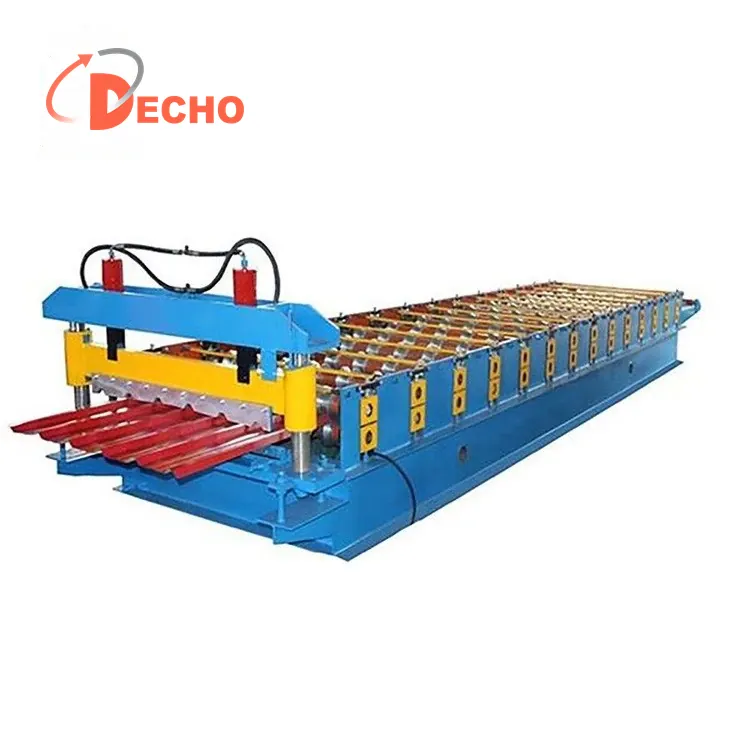
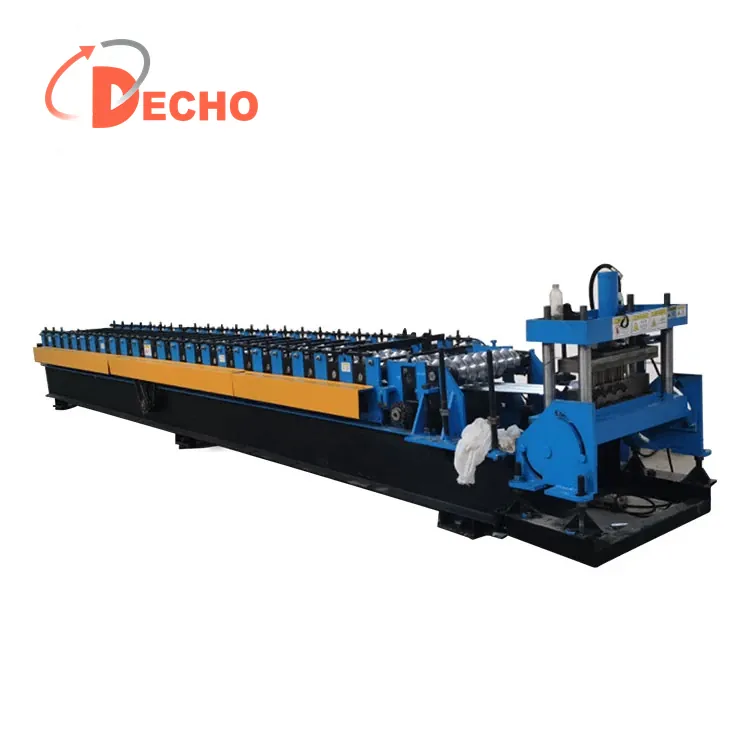
First off, let's talk about what rollers do in a cold roll forming machine. These machines are used to transform flat metal sheets into various shapes, like those used in roofing, wall panels, and other structural components. The rollers are the key players here. They gradually bend and shape the metal as it passes through the machine, applying precise pressure at each stage.
Think of the rollers as the hands that mold the metal into the desired form. Without them, the cold roll forming process wouldn't be possible. But like any other tool, they wear out over time.
Factors Affecting Roller Replacement Frequency
1. Material Type
The type of material you're working with has a huge impact on how quickly the rollers wear out. For example, if you're forming mild steel, which is relatively soft, the rollers will experience less wear compared to when you're working with high-strength steel or stainless steel. These harder materials put more stress on the rollers, causing them to wear down faster.
If you're constantly forming stainless steel, you might need to replace the rollers more frequently than if you're working with mild steel most of the time. So, it's important to take into account the material mix in your production.
2. Production Volume
How much you're producing also matters. If your cold roll forming machine is running non - stop, churning out a large volume of products every day, the rollers will be under constant stress. This continuous use accelerates the wear and tear process.
On the other hand, if you have a low - volume production, where the machine is only used occasionally, the rollers will last longer. For instance, a small workshop that only makes a few pieces a week will find that their rollers don't need to be replaced as often as a large - scale manufacturing plant.
3. Roller Quality
The quality of the rollers themselves is a significant factor. High - quality rollers are made from better materials and are manufactured with more precision. They're designed to withstand the rigors of the cold roll forming process better than lower - quality ones.
Investing in good - quality rollers might cost more upfront, but they'll save you money in the long run because they'll last longer. Cheaper rollers might seem like a good deal at first, but they'll need to be replaced more often, which can add up in terms of both time and money.
4. Maintenance
Proper maintenance can significantly extend the life of your rollers. Regular cleaning, lubrication, and inspection can prevent premature wear. If you don't clean the rollers regularly, debris can build up on them, which can scratch the surface and cause uneven wear.
Lubrication is also crucial. It reduces friction between the rollers and the metal, which in turn reduces wear. And by inspecting the rollers regularly, you can catch any signs of wear early and take action before it becomes a major problem.
General Guidelines for Roller Replacement
While it's difficult to give an exact timeframe for roller replacement because of the factors mentioned above, here are some general guidelines:
Low - Volume Production with Mild Steel
If you're running a low - volume production using mild steel, you might be able to get away with replacing the rollers every 1 - 2 years. This gives the rollers enough time to wear down gradually without causing any major issues in your production.
High - Volume Production with Harder Materials
On the other hand, if you're in a high - volume production environment and working with harder materials like stainless steel, you might need to replace the rollers every 6 - 12 months. The constant stress on the rollers from the high - volume production and the hard material means they'll wear out much faster.
Signs That Rollers Need to be Replaced
It's not always easy to tell when it's time to replace the rollers just based on time. There are some signs you can look out for:
1. Surface Defects
If you start to notice scratches, dents, or other surface defects on the rollers, it's a sign that they're wearing out. These defects can transfer to the formed metal, resulting in poor - quality products.
2. Inconsistent Product Dimensions
If the dimensions of your formed products start to become inconsistent, it could be because the rollers are no longer functioning properly. The rollers are responsible for shaping the metal to the correct dimensions, so any wear can cause variations in the final product.
3. Increased Noise and Vibration
A well - functioning cold roll forming machine should operate relatively quietly. If you start to hear excessive noise or feel increased vibration during the forming process, it could be a sign that the rollers are worn and need to be replaced.
The Importance of Timely Roller Replacement
Replacing the rollers in a timely manner is crucial for several reasons. First of all, it ensures the quality of your products. Worn - out rollers can produce products with defects, which can lead to customer complaints and loss of business.
Secondly, it helps to maintain the efficiency of your cold roll forming machine. Worn rollers can cause the machine to work harder, which can increase energy consumption and lead to other mechanical problems.
Finally, it can save you money in the long run. While replacing rollers can be an expense, it's much cheaper than dealing with major breakdowns or having to scrap a large number of defective products.
Related Products in Cold Roll Forming
If you're in the cold roll forming business, you might be interested in some of our related products. Check out our Glazed Tile Making Machine, which is designed to produce high - quality glazed tiles for roofing and other applications.
We also have a Standing Seam Roll Former that can create strong and durable standing seam panels. And for those in the roofing industry, our Ibr Roof Sheet Forming Machine is a great option for producing Ibr roof sheets.
Conclusion
So, to sum it up, there's no one - size - fits - all answer to how often the rollers in a cold roll forming machine should be replaced. It depends on factors like material type, production volume, roller quality, and maintenance. By keeping an eye out for the signs of wear and replacing the rollers in a timely manner, you can ensure the quality and efficiency of your cold roll forming operations.
If you're interested in learning more about our cold roll forming machines or have any questions about roller replacement, feel free to reach out to us. We're always here to help you make the most of your cold roll forming process.
References
- "Cold Roll Forming Handbook"
- Industry reports on cold roll forming machine maintenance