Hey there! As a supplier of Cold Roll Formers, I've seen firsthand how crucial it is to ensure the stability of these machines during operation. A stable cold roll former not only guarantees high - quality products but also reduces downtime and maintenance costs. In this blog, I'll share some tips on how to keep your cold roll former running smoothly.
1. Machine Installation and Foundation
First things first, proper installation is key. When you're setting up a cold roll former, make sure the foundation is solid. A wobbly or uneven foundation can cause all sorts of problems during operation. The machine should be installed on a flat, level surface that can support its weight. If the foundation isn't stable, vibrations can occur, which will affect the accuracy of the forming process.
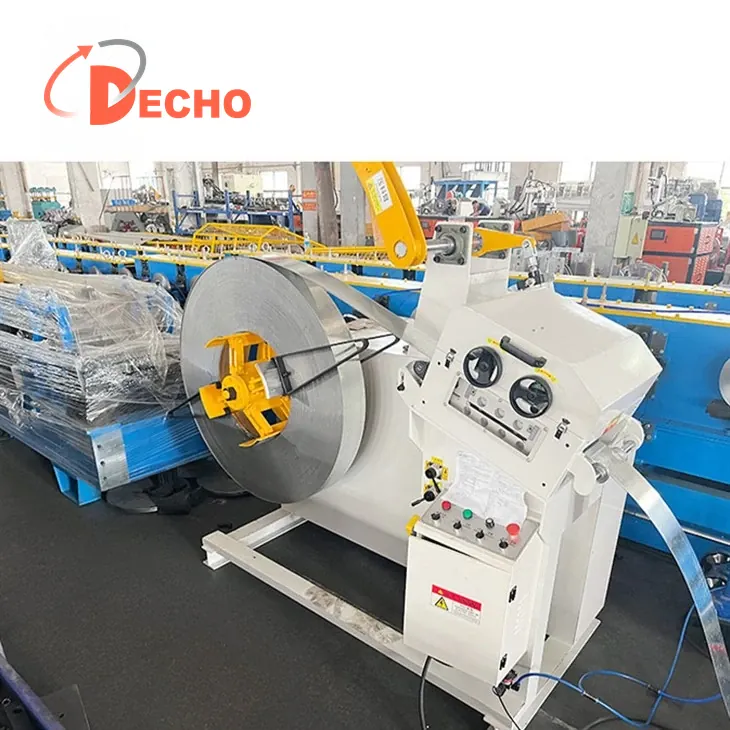
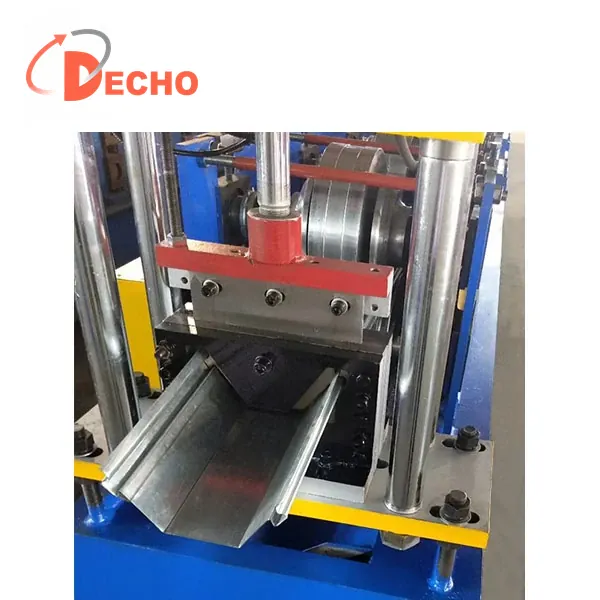
You also need to follow the manufacturer's installation guidelines carefully. This includes aligning the different components of the machine correctly. Incorrect alignment can lead to excessive wear and tear on the rollers and other parts, and it can even cause the machine to jam. Take your time during installation and double - check all the measurements and alignments.
2. Roller Maintenance
The rollers are the heart of a cold roll former. They're responsible for shaping the metal into the desired profile. To ensure the stability of the machine, regular roller maintenance is essential.
Clean the rollers regularly to remove any debris, dirt, or metal shavings. These can build up over time and cause uneven pressure on the metal strip, leading to inconsistent forming. You can use a mild cleaning agent and a soft cloth to clean the rollers.
Inspect the rollers for wear and tear. If you notice any signs of damage, such as cracks or excessive wear, replace the rollers immediately. Worn - out rollers can't provide the precise pressure needed for accurate forming, which can result in defective products.
Lubricate the rollers as recommended by the manufacturer. Proper lubrication reduces friction between the rollers and the metal strip, which not only improves the forming process but also extends the lifespan of the rollers.
3. Material Selection and Preparation
The quality and properties of the material you use in the cold roll former can have a big impact on its stability. Always choose high - quality metal strips that meet the specifications of your machine. Low - quality materials may contain impurities or have inconsistent thickness, which can cause problems during forming.
Before feeding the material into the machine, make sure it's properly prepared. This includes straightening the metal strip if it's bent or coiled. A bent strip can cause uneven tension on the rollers, leading to instability. You can use a straightening machine to ensure the strip is straight.
Also, check the thickness and width of the metal strip. Any variations in these dimensions can affect the forming process. Use a caliper to measure the thickness at different points along the strip to ensure consistency.
4. Tension Control
Maintaining proper tension on the metal strip is crucial for the stability of a cold roll former. If the tension is too high, it can cause the strip to break or put excessive stress on the rollers. On the other hand, if the tension is too low, the strip may slip or not form properly.
Most cold roll formers have a tension control system. Adjust this system according to the type and thickness of the metal strip you're using. You may need to do some trial - and - error to find the optimal tension setting. Monitor the tension during operation and make adjustments as needed.
5. Electrical and Control System Checks
The electrical and control systems of a cold roll former play a vital role in its stability. Regularly check the electrical connections to ensure they're secure. Loose connections can cause electrical problems, which may lead to machine malfunctions.
Inspect the control panel for any error messages or warning lights. These can indicate potential issues with the machine's operation. If you see any error messages, refer to the machine's manual to troubleshoot the problem.
Test the sensors and switches regularly. These components are responsible for controlling the speed, position, and other parameters of the machine. Faulty sensors or switches can cause the machine to operate erratically.
6. Operator Training
Even the best - maintained cold roll former can experience problems if the operator isn't properly trained. Make sure your operators are familiar with the machine's operation, maintenance, and safety procedures.
Provide comprehensive training on how to set up the machine, adjust the parameters, and troubleshoot common problems. A well - trained operator can detect early signs of instability and take appropriate action to prevent major issues.
Encourage operators to report any unusual noises, vibrations, or other problems immediately. Early detection can save a lot of time and money in the long run.
7. Regular Inspections and Preventive Maintenance
Schedule regular inspections of the cold roll former. This includes checking all the components, from the rollers to the electrical system. A thorough inspection can help you identify potential problems before they become serious.
Perform preventive maintenance tasks, such as replacing worn - out parts, tightening loose bolts, and cleaning the machine. Preventive maintenance can significantly reduce the risk of breakdowns and ensure the long - term stability of the machine.
Our Product Range
At our company, we offer a wide range of cold roll formers, including the Metal Stud Roll Forming Machine, Angle Forming Machine, and Rain Gutter Roll Forming Machine. These machines are designed with stability and reliability in mind.
If you're in the market for a cold roll former or need help with maintaining your existing machine, don't hesitate to reach out. We're here to assist you with all your cold roll forming needs. Whether you're a small - scale manufacturer or a large industrial company, we can provide you with the right solutions.
In conclusion, ensuring the stability of a cold roll former during operation requires a combination of proper installation, regular maintenance, correct material selection, and well - trained operators. By following these tips, you can keep your machine running smoothly and produce high - quality products consistently.
Contact us today to discuss your cold roll forming requirements and let's work together to find the best solutions for your business.
References
- Cold Roll Forming Handbook, Industry Publication
- Manufacturer's Manuals for Cold Roll Formers