Adjusting the speed of a sheet making machine is a crucial aspect of ensuring optimal production efficiency and product quality. As a reputable sheet making machine supplier, we understand the significance of this process and are committed to providing our customers with the necessary knowledge and support to achieve seamless operations. In this blog post, we will delve into the key factors and steps involved in adjusting the speed of a sheet making machine, offering practical insights and tips to help you get the most out of your equipment.
Understanding the Basics of Sheet Making Machine Speed
Before we dive into the adjustment process, it's important to grasp the fundamentals of how speed affects the sheet making process. The speed of a sheet making machine refers to the rate at which it can produce sheets. This is typically measured in meters per minute (m/min) or feet per minute (ft/min). The appropriate speed for your machine depends on several factors, including the type of material being processed, the thickness of the sheet, the complexity of the design, and the desired production output.
For instance, processing softer materials like aluminum or plastic may allow for higher speeds compared to harder materials such as steel. Thicker sheets generally require slower speeds to ensure proper forming and cutting, while thinner sheets can often be produced at faster rates. Additionally, if you are creating sheets with intricate designs or patterns, you may need to slow down the machine to maintain accuracy.
Factors Affecting Sheet Making Machine Speed
Several factors can influence the speed at which your sheet making machine operates. Understanding these factors is essential for making informed adjustments and optimizing your production process.
Material Properties
As mentioned earlier, the type and properties of the material being processed play a significant role in determining the appropriate machine speed. Different materials have varying levels of hardness, ductility, and elasticity, which can affect how they respond to the forming and cutting processes. For example, materials with high hardness may require slower speeds to prevent tool wear and damage, while more ductile materials can tolerate higher speeds.
Machine Capacity
The capacity of your sheet making machine, including its motor power, drive system, and mechanical components, also limits the maximum speed at which it can operate. Exceeding the machine's recommended speed can lead to excessive wear and tear, reduced product quality, and even safety hazards. Therefore, it's crucial to consult your machine's manual or manufacturer's guidelines to determine its maximum speed and operating limits.
Tooling and Dies
The quality and condition of the tooling and dies used in your sheet making machine can have a significant impact on its speed and performance. Worn or damaged tools can cause friction, vibration, and uneven cutting, which can slow down the machine and affect the quality of the finished product. Regular maintenance and inspection of your tooling and dies, including sharpening, replacement, and alignment, are essential for ensuring optimal machine speed and efficiency.
Operator Skill and Experience
The skill and experience of the machine operator also play a crucial role in determining the speed at which the sheet making machine can operate. A skilled operator who understands the machine's capabilities and functions can make more accurate adjustments, troubleshoot problems more effectively, and optimize the production process to achieve higher speeds and better quality. Providing comprehensive training and support to your operators can help improve their skills and confidence, leading to increased productivity and efficiency.
Steps to Adjust the Speed of a Sheet Making Machine
Now that we have a better understanding of the factors affecting sheet making machine speed, let's explore the steps involved in making adjustments to optimize your production process.
Step 1: Review the Machine Manual
Before making any adjustments to the machine speed, it's essential to review the machine's manual or manufacturer's guidelines. This will provide you with detailed information on the machine's operating parameters, including the recommended speed range, the adjustment procedures, and any safety precautions you need to take. Following these instructions carefully will help ensure that you make the adjustments correctly and safely.
Step 2: Assess the Production Requirements
Next, you need to assess your production requirements, including the type and quantity of sheets you need to produce, the desired quality standards, and the available production time. Based on this information, you can determine the appropriate speed at which the machine should operate to meet your production goals. For example, if you need to produce a large quantity of sheets in a short period, you may need to increase the machine speed. However, if you require high-quality sheets with precise dimensions and finishes, you may need to slow down the machine to ensure accuracy.
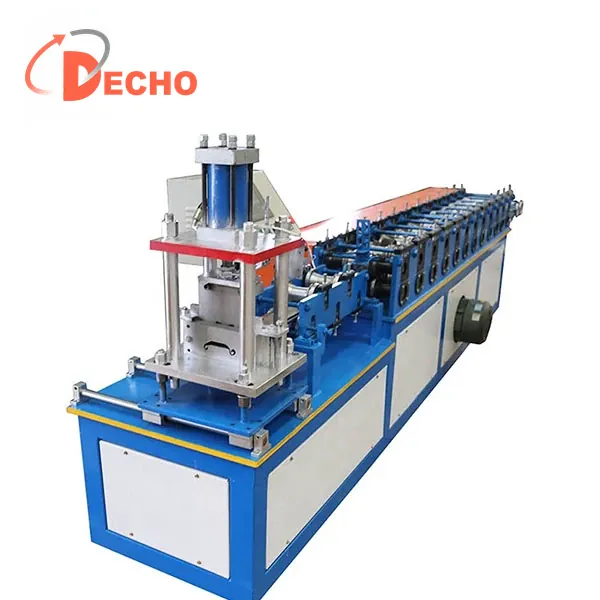
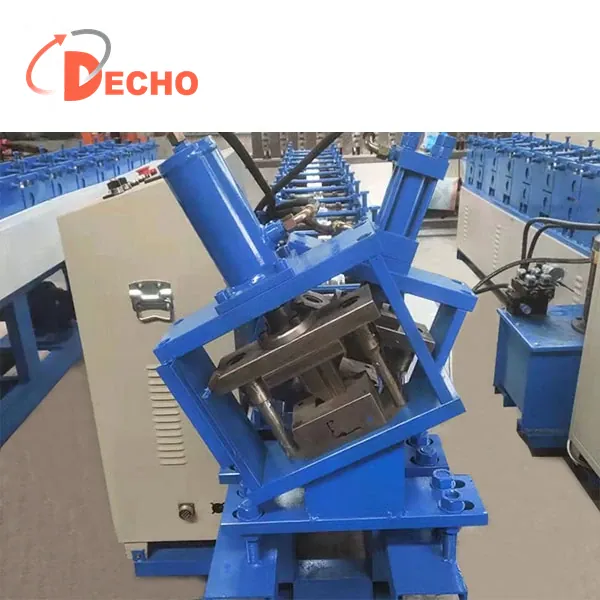
Step 3: Check the Machine Condition
Before adjusting the speed, it's important to check the machine's condition to ensure that it is in good working order. This includes inspecting the tooling and dies, lubricating the moving parts, and checking the electrical and mechanical systems for any signs of wear or damage. Any issues or problems should be addressed before making any speed adjustments to prevent further damage to the machine and ensure optimal performance.
Step 4: Make Initial Speed Adjustments
Once you have reviewed the machine manual, assessed the production requirements, and checked the machine condition, you can make the initial speed adjustments. This typically involves adjusting the speed control knob or settings on the machine's control panel. Start by making small adjustments and monitoring the machine's performance and the quality of the finished product. If the machine is operating smoothly and the product quality is satisfactory, you can gradually increase the speed until you reach the desired production rate.
Step 5: Monitor and Fine-Tune the Speed
After making the initial speed adjustments, it's important to monitor the machine's performance and the quality of the finished product continuously. Look for any signs of vibration, noise, or uneven cutting, which may indicate that the machine is operating at an inappropriate speed. If you encounter any issues or problems, you may need to make further adjustments to the speed or other operating parameters to optimize the production process. Additionally, it's a good idea to keep a record of the speed adjustments and the corresponding production results to help you make more informed decisions in the future.
Other Considerations for Optimizing Sheet Making Machine Speed
In addition to the steps outlined above, there are several other considerations that can help you optimize the speed and performance of your sheet making machine.
Automation and Control Systems
Investing in automation and control systems can significantly improve the speed and efficiency of your sheet making machine. These systems can automate various processes, such as material feeding, cutting, and stacking, reducing the need for manual intervention and increasing production speed. Additionally, they can provide real-time monitoring and feedback, allowing you to make quick adjustments to the machine's operating parameters and optimize the production process.
Preventive Maintenance
Regular preventive maintenance is essential for ensuring the long-term performance and reliability of your sheet making machine. This includes cleaning, lubricating, and inspecting the machine's components, as well as replacing any worn or damaged parts. By keeping the machine in good working order, you can prevent breakdowns and downtime, which can significantly impact your production speed and efficiency.
Training and Support
Providing comprehensive training and support to your operators is crucial for ensuring that they have the skills and knowledge necessary to operate the sheet making machine safely and efficiently. This includes training on the machine's operation, maintenance, and troubleshooting procedures, as well as safety protocols and best practices. Additionally, offering ongoing support and training can help your operators stay up-to-date with the latest technologies and techniques, allowing them to optimize the production process and achieve higher speeds and better quality.
Conclusion
Adjusting the speed of a sheet making machine is a complex process that requires careful consideration of several factors, including the material properties, machine capacity, tooling and dies, operator skill and experience, and production requirements. By following the steps outlined in this blog post and considering the other optimization strategies, you can ensure that your sheet making machine operates at its optimal speed, delivering high-quality products efficiently and effectively.
If you are interested in learning more about our Sheet Making Machines, or if you have any questions or concerns about adjusting the speed of your machine, please do not hesitate to contact us. Our team of experienced professionals is dedicated to providing you with the best possible solutions and support to help you achieve your production goals. We look forward to working with you and helping you take your sheet making operations to the next level.
References
- [Sheet Metal Forming Handbook](Publisher Name, Publication Year)
- [Manufacturing Processes for Engineering Materials](Author Names, Publisher Name, Publication Year)
- [Industrial Automation and Control Systems](Author Names, Publisher Name, Publication Year)