As a seasoned supplier of roll forming machines, I've witnessed firsthand the importance of width adjustment in these versatile pieces of equipment. Whether you're producing roofing sheets, shutter doors, or other metal products, the ability to precisely control the width of the formed material is crucial for achieving high-quality results. In this blog post, I'll share some valuable insights on how to change the width adjustment of a roll forming machine, drawing on my years of experience in the industry.
Understanding the Basics of Width Adjustment
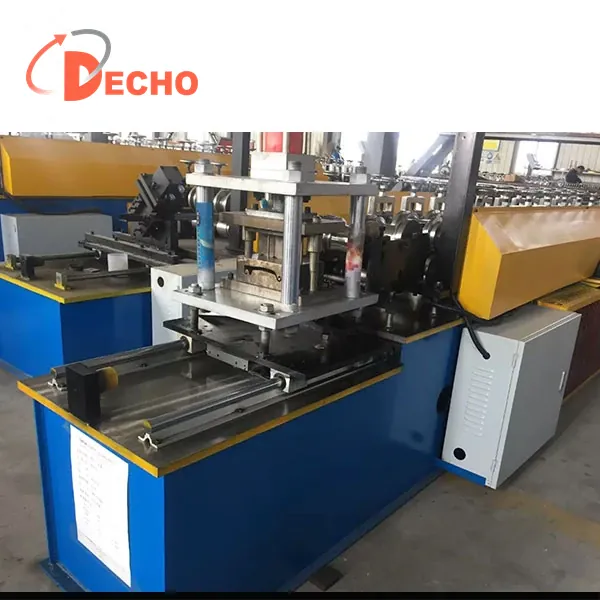
Before diving into the process of changing the width adjustment, it's essential to understand the basic components and principles of a roll forming machine. A typical roll forming machine consists of a series of rollers arranged in a specific pattern to gradually shape the metal strip into the desired profile. The width adjustment mechanism is designed to modify the distance between the rollers, allowing you to produce products of different widths.
There are several types of width adjustment mechanisms commonly used in roll forming machines, including manual, semi-automatic, and fully automatic systems. Manual width adjustment involves physically adjusting the position of the rollers using hand tools, such as wrenches or screws. This method is relatively simple and cost-effective but requires more time and effort. Semi-automatic width adjustment systems use hydraulic or pneumatic cylinders to move the rollers, providing a more precise and efficient adjustment process. Fully automatic width adjustment systems, on the other hand, are controlled by a computerized numerical control (CNC) system, allowing for rapid and accurate width changes with minimal operator intervention.
Steps to Change the Width Adjustment
The process of changing the width adjustment of a roll forming machine may vary depending on the specific model and type of adjustment mechanism. However, the following general steps can be followed:
- Prepare the Machine: Before making any adjustments, ensure that the machine is turned off and disconnected from the power source. This will prevent any accidental injuries or damage to the machine.
- Identify the Width Adjustment Points: Locate the width adjustment points on the machine. These points are usually marked with indicators or labels and may be located on the side frames or the roller stands.
- Determine the Desired Width: Measure the width of the product you want to produce and calculate the required adjustment. This can be done using a measuring tape or a caliper.
- Make the Adjustment: Depending on the type of adjustment mechanism, use the appropriate tools or controls to make the width adjustment. For manual adjustment, use a wrench or a screw driver to loosen or tighten the adjustment bolts. For semi-automatic or fully automatic adjustment, follow the manufacturer's instructions to operate the hydraulic or pneumatic cylinders or the CNC system.
- Check the Adjustment: After making the adjustment, check the width of the formed material using a measuring tool. If the width is not within the desired tolerance, make further adjustments until the correct width is achieved.
- Test the Machine: Once the width adjustment is complete, turn on the machine and run a test strip of metal through the rollers. Check the quality of the formed product and make any necessary adjustments to the machine settings, such as the speed or the pressure.
Tips for Successful Width Adjustment
Changing the width adjustment of a roll forming machine can be a challenging task, especially for inexperienced operators. Here are some tips to help you achieve successful width adjustment:
- Follow the Manufacturer's Instructions: Always refer to the manufacturer's manual or instructions when making width adjustments. This will ensure that you follow the correct procedures and avoid any damage to the machine.
- Use the Right Tools: Make sure you have the appropriate tools for the job, such as wrenches, screw drivers, or measuring tools. Using the wrong tools can result in inaccurate adjustments or damage to the machine.
- Take Your Time: Width adjustment is a precise process that requires patience and attention to detail. Don't rush the process and take the time to make accurate measurements and adjustments.
- Keep the Machine Clean and Lubricated: Regularly clean and lubricate the width adjustment mechanism to ensure smooth operation and prevent any wear or damage.
- Train Your Operators: Provide proper training to your operators on how to change the width adjustment of the roll forming machine. This will help them understand the process and avoid any mistakes or accidents.
Applications of Width Adjustment in Roll Forming Machines
The ability to change the width adjustment of a roll forming machine offers a wide range of applications in various industries. Some of the common applications include:
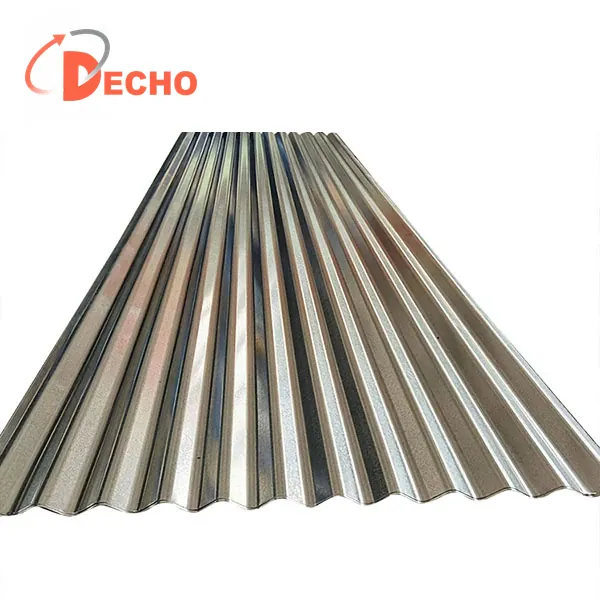
- Roofing and Wall Cladding: Roll forming machines are widely used in the roofing and wall cladding industry to produce metal sheets of different widths and profiles. By adjusting the width of the machine, you can produce roofing sheets and wall panels that fit different building designs and requirements. Roof Tile Roll Forming Machine
- Shutter Doors: Shutter doors are another popular application of roll forming machines. By changing the width adjustment, you can produce shutter doors of different sizes and styles to meet the needs of your customers. Shutter Door Machine
- Automotive and Aerospace Industry: Roll forming machines are also used in the automotive and aerospace industry to produce various components, such as chassis frames, body panels, and engine parts. The ability to adjust the width of the machine allows for the production of customized components with precise dimensions.
- Furniture and Appliance Industry: In the furniture and appliance industry, roll forming machines are used to produce metal frames, panels, and other components. By changing the width adjustment, you can produce products that fit different design specifications and requirements.
Conclusion
Changing the width adjustment of a roll forming machine is a critical process that requires careful planning and execution. By understanding the basic principles and following the proper procedures, you can achieve accurate and consistent width adjustments, resulting in high-quality products and increased productivity. Whether you're a small business owner or a large-scale manufacturer, the ability to change the width adjustment of your roll forming machine can give you a competitive edge in the market.
If you're interested in purchasing a roll forming machine or need further assistance with width adjustment or any other aspect of roll forming technology, please don't hesitate to contact us. Our team of experts is always ready to provide you with the best solutions and support for your business.
References
- Roll Forming Machine Handbook, published by the Roll Forming Association
- Metal Forming Technology, by John A. Schey
- Roll Forming Principles and Practice, by Robert W. Miller