Hey there! As a supplier of Steel Roll Forming Machines, I often get asked about what types of steel these machines can process. Well, let me break it down for you in this blog.
Mild Steel
Mild steel is one of the most commonly processed steels by roll forming machines. It's super popular because of its affordability and versatility. Mild steel has a relatively low carbon content, usually less than 0.3%. This makes it easy to work with. It can be bent, shaped, and formed without much hassle.
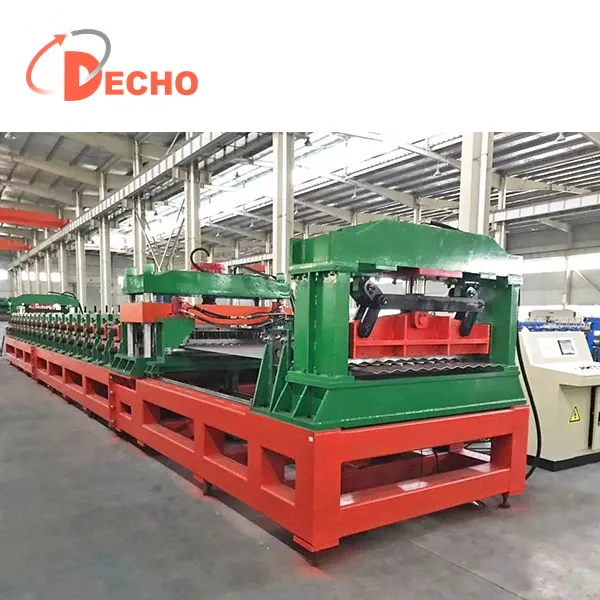
In roll forming, mild steel is used to create a wide range of products. For example, it can be made into roofing sheets and wall panels. Our Roof Sheet Making Machine is specifically designed to handle mild steel coils and turn them into high - quality roofing sheets. These sheets are not only durable but also cost - effective, which is great for both construction companies and DIY enthusiasts.
Another common use is in the production of structural components. Mild steel can be formed into channels, angles, and beams that are used in building frames. The roll forming process ensures that these components have consistent dimensions and high strength, which is crucial for the stability of the building.
Galvanized Steel
Galvanized steel is mild steel that has been coated with a layer of zinc. This coating provides excellent corrosion resistance, making it ideal for outdoor applications. Roll forming machines can easily process galvanized steel coils.
One of the main products made from galvanized steel using roll forming is roofing sheets. Our Roofing Sheet Making Machine can handle galvanized steel to produce sheets that can withstand harsh weather conditions. The zinc coating protects the steel from rust and corrosion, extending the lifespan of the roofing.
Galvanized steel is also used in the manufacturing of gutters and downspouts. These components need to be resistant to water and environmental elements, and galvanized steel fits the bill perfectly. The roll forming process allows for the creation of seamless and precise gutters and downspouts that are both functional and aesthetically pleasing.
Stainless Steel
Stainless steel is a high - performance steel alloy that contains chromium, which gives it its corrosion - resistant properties. It's a bit more expensive than mild and galvanized steel, but it offers superior durability and aesthetics.
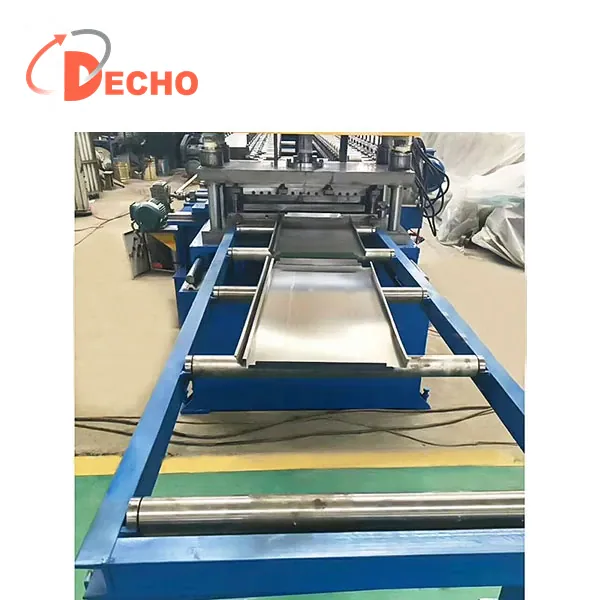
Roll forming machines can process different grades of stainless steel. For example, 304 stainless steel is commonly used in architectural applications. It can be formed into decorative panels, handrails, and trim pieces. The smooth and shiny surface of stainless steel adds a modern and elegant look to buildings.
In the food and beverage industry, 316 stainless steel is often used. It has better corrosion resistance in harsh chemical environments. Roll forming machines can create custom - shaped components for food processing equipment, such as conveyor belts and storage tanks. Our machines are designed to handle the hardness and toughness of stainless steel, ensuring a high - quality finished product.
High - Strength Low - Alloy (HSLA) Steel
HSLA steel is a type of steel that offers higher strength than mild steel while still maintaining good formability. It contains small amounts of alloying elements such as copper, nickel, and vanadium.
In roll forming, HSLA steel is used to create lightweight but strong structural components. For example, it can be formed into truck frames, trailer chassis, and agricultural equipment parts. The high strength - to - weight ratio of HSLA steel allows for the design of more efficient and fuel - saving vehicles and equipment.
Our roll forming machines are capable of processing HSLA steel coils to produce components with precise dimensions and high strength. The forming process doesn't compromise the mechanical properties of the steel, ensuring that the final products meet the strict requirements of the industries they serve.
Alloy Steel
Alloy steel is a steel that has been alloyed with various elements such as manganese, silicon, nickel, and chromium to enhance its mechanical properties. Different alloy steels are used for different purposes in roll forming.
Some alloy steels are used in the production of high - performance springs. The roll forming process can be used to shape the steel into the required spring profiles. These springs are used in automotive, aerospace, and industrial applications where high elasticity and durability are required.
Other alloy steels are used in the manufacturing of machine parts. Our machines can handle the complex forming requirements of alloy steel to produce gears, shafts, and other precision components. However, processing alloy steel can be a bit more challenging than other steels due to its higher hardness and strength, but our advanced roll forming machines are up to the task.
Corrugated Steel
Corrugated steel is another type of steel that can be effectively processed by roll forming machines. Corrugated steel is made by passing flat steel sheets through a series of rollers to create a series of parallel ridges and grooves.
It is commonly used in roofing and siding applications. The corrugations add strength and rigidity to the steel sheets, allowing them to span longer distances without support. Our roll forming machines can produce corrugated steel sheets with different corrugation profiles and thicknesses, depending on the specific requirements of the project.
The Steel Silo Roll Forming Machine is also capable of processing corrugated steel for the construction of steel silos. These silos are used for storing grains, cement, and other bulk materials. The corrugated design of the steel provides the necessary structural integrity to withstand the pressure of the stored materials.
Conclusion
As you can see, roll forming machines are incredibly versatile and can process a wide variety of steels. Whether you're in the construction, automotive, food, or many other industries, there's a type of steel that can be roll - formed to meet your needs.
If you're interested in purchasing a roll forming machine for your specific steel processing requirements, I'd love to talk to you. We have a team of experts who can provide you with detailed information and help you choose the right machine for your business. Don't hesitate to reach out and start the conversation about how our roll forming machines can benefit your operations.
References
- "Steel Processing Handbook," various industry publications
- "Roll Forming Technology Guide," trade associations