What is the price difference between domestic and imported steel roll forming machines?
As a supplier of steel roll forming machines, I've witnessed firsthand the significant interest among customers in understanding the price disparity between domestic and imported options. This blog aims to delve into the factors contributing to these price differences and help you make an informed decision when purchasing a steel roll forming machine.
Factors Affecting the Price of Steel Roll Forming Machines
Before we explore the price differences between domestic and imported machines, it's essential to understand the key factors that influence the cost of steel roll forming machines in general.
-
Machine Specifications and Features
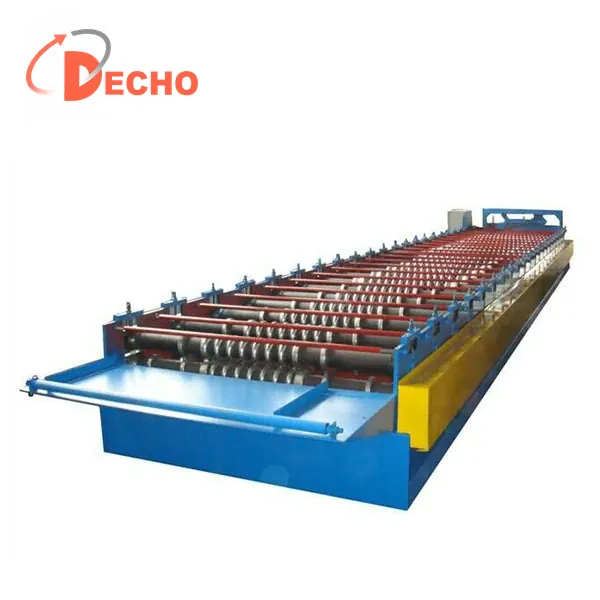
The complexity and functionality of a steel roll forming machine play a crucial role in determining its price. Machines with advanced features such as high-speed production, precise forming capabilities, and automated control systems tend to be more expensive. For example, a Roof Panel Roll Forming Machine equipped with state-of-the-art technology for producing complex roof panel profiles will command a higher price than a basic model. -
Quality of Materials and Components
The quality of materials used in the construction of the machine and the components it incorporates significantly impact its price. High-quality steel, precision bearings, and reliable electrical systems contribute to the durability and performance of the machine but also increase its cost. Imported machines often use premium materials and components, which can justify their higher price tags. -
Brand Reputation and After-Sales Service
Well-established brands with a reputation for producing high-quality machines typically charge more for their products. These brands invest heavily in research and development, quality control, and customer support, which adds to the overall cost. Additionally, the availability of comprehensive after-sales service, including technical support, spare parts supply, and maintenance, can also influence the price of the machine. -
Production Capacity and Efficiency
Machines with higher production capacities and greater efficiency are generally more expensive. A Purlin Forming Machine that can produce a large number of purlins per hour will cost more than a slower machine. However, the increased productivity can result in long-term cost savings for the user.
Price Differences between Domestic and Imported Steel Roll Forming Machines
Now that we've identified the factors that affect the price of steel roll forming machines, let's examine the price differences between domestic and imported options.
-
Cost of Manufacturing
Domestic machines are often manufactured in countries with lower labor and production costs. This allows manufacturers to offer their products at a more competitive price. In contrast, imported machines are typically produced in countries with higher manufacturing costs, such as Germany, Japan, or Italy. The higher cost of labor, raw materials, and overheads in these countries is reflected in the price of the machines. -
Import Duties and Taxes
When importing a steel roll forming machine, additional costs such as import duties, taxes, and shipping fees are incurred. These costs can significantly increase the overall price of the machine. Domestic machines, on the other hand, are not subject to these import-related expenses, making them more affordable for local customers. -
Exchange Rates
Fluctuations in exchange rates can also impact the price of imported machines. If the currency of the country where the machine is manufactured strengthens against the buyer's currency, the price of the machine will increase. This can make imported machines less attractive to customers, especially in times of currency volatility. -
Technology and Innovation
Imported machines are often associated with advanced technology and innovation. Manufacturers in developed countries invest heavily in research and development to introduce new features and improve the performance of their machines. As a result, imported machines may offer superior quality and functionality compared to domestic machines, which can justify their higher price. However, domestic manufacturers are also making significant strides in technology and are increasingly offering machines with comparable features at a lower cost.
Case Studies: Comparing Domestic and Imported Steel Roll Forming Machines
To illustrate the price differences between domestic and imported steel roll forming machines, let's consider a few case studies.
Case Study 1: Roof Panel Roll Forming Machine
A basic domestic Roof Panel Roll Forming Machine with a production speed of 10-15 meters per minute and standard features may cost around $10,000 - $15,000. In contrast, an imported machine with similar specifications but advanced technology and higher precision may cost between $20,000 - $30,000. The price difference is primarily due to the higher manufacturing costs, import duties, and the perceived higher quality of the imported machine.
Case Study 2: Purlin Forming Machine
A domestic Purlin Forming Machine capable of producing C and Z purlins with a production speed of 15-20 meters per minute may be priced at $12,000 - $18,000. An imported machine with the same production capacity but additional features such as automatic punching and cutting may cost $25,000 - $35,000. The higher price of the imported machine can be attributed to the advanced technology, better quality components, and the brand reputation of the manufacturer.
Case Study 3: Profile Sheet Manufacturing Machine
A domestic Profile Sheet Manufacturing Machine for producing simple profile sheets may cost around $8,000 - $12,000. An imported machine with the ability to produce complex profiles and higher production speeds may cost $18,000 - $25,000. The price difference reflects the differences in technology, quality, and performance between the domestic and imported machines.
Making the Right Choice
When deciding between a domestic and an imported steel roll forming machine, it's important to consider your specific requirements, budget, and long-term goals. Here are some tips to help you make the right choice:
-
Evaluate Your Needs
Determine the type of products you want to produce, the production volume you require, and the level of precision and quality you need. This will help you identify the features and specifications that are essential for your business. -
Compare Prices and Features
Obtain quotes from multiple domestic and imported machine suppliers and compare the prices, features, and after-sales service offered. Look for machines that offer the best value for money based on your requirements.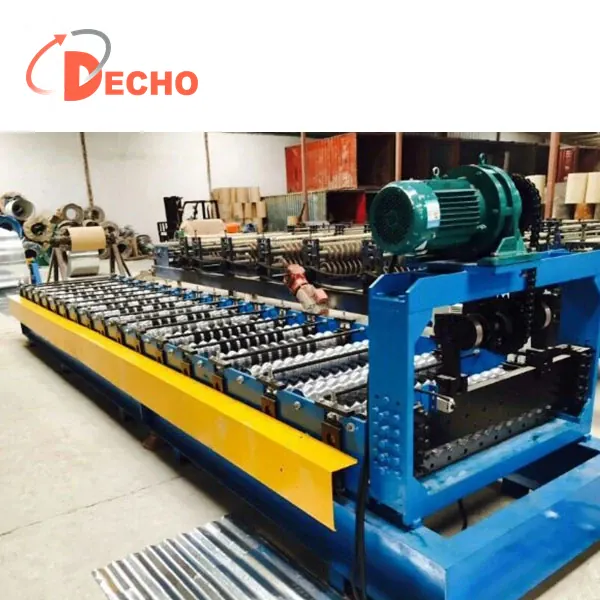
-
Consider the Total Cost of Ownership
In addition to the purchase price, consider the total cost of ownership, including maintenance, spare parts, and energy consumption. A machine with a higher purchase price may be more cost-effective in the long run if it offers lower operating costs and greater reliability. -
Research the Manufacturer
Before making a purchase, research the reputation and track record of the machine manufacturer. Look for manufacturers with a proven history of producing high-quality machines and providing excellent customer support. -
Seek Recommendations
Talk to other users of steel roll forming machines and seek their recommendations. They can provide valuable insights into the performance, reliability, and cost-effectiveness of different machines.
Conclusion
The price difference between domestic and imported steel roll forming machines is influenced by various factors, including manufacturing costs, import duties, technology, and brand reputation. While imported machines may offer advanced features and superior quality, domestic machines can provide a more cost-effective solution for many customers. By carefully evaluating your needs, comparing prices and features, and considering the total cost of ownership, you can make an informed decision and choose the machine that best suits your business requirements.
If you're in the market for a steel roll forming machine and have any questions or need further information, please don't hesitate to contact us. We're here to help you find the perfect machine for your needs and provide you with the support and service you deserve.
References
- Industry reports on steel roll forming machine manufacturing
- Interviews with industry experts and machine users
- Manufacturer brochures and product catalogs