As a seasoned supplier of Cold Roll Formers, I understand the critical importance of regular performance checks to ensure these machines operate at their best. Cold Roll Formers are complex pieces of equipment used in various industries, from construction to manufacturing, to shape metal sheets into specific profiles. Regular performance checks not only extend the lifespan of the machine but also enhance product quality and production efficiency. In this blog, I'll share some practical tips on how to check the performance of a Cold Roll Former regularly.
1. Visual Inspection
The first step in checking the performance of a Cold Roll Former is a thorough visual inspection. This should be done before and after each production run.
- Check the Machine Structure: Look for any signs of wear and tear on the machine's frame, such as cracks, dents, or loose bolts. These issues can affect the stability of the machine during operation and lead to inaccurate forming. For example, a loose bolt in the forming section can cause the rollers to misalign, resulting in uneven profiles.
- Inspect the Rollers: The rollers are the heart of a Cold Roll Former. Check for any signs of damage, such as scratches, chips, or excessive wear. Damaged rollers can leave marks on the metal sheets and affect the final product's quality. If you notice any issues with the rollers, they should be replaced or repaired promptly.
- Examine the Electrical Components: Inspect the electrical wiring, switches, and control panels for any signs of damage or overheating. Loose connections or damaged wiring can cause electrical failures, which can be dangerous and disrupt production. Make sure all electrical components are properly grounded and functioning correctly.
2. Lubrication Check
Proper lubrication is essential for the smooth operation of a Cold Roll Former. Without adequate lubrication, the machine's moving parts can experience increased friction, leading to premature wear and reduced efficiency.
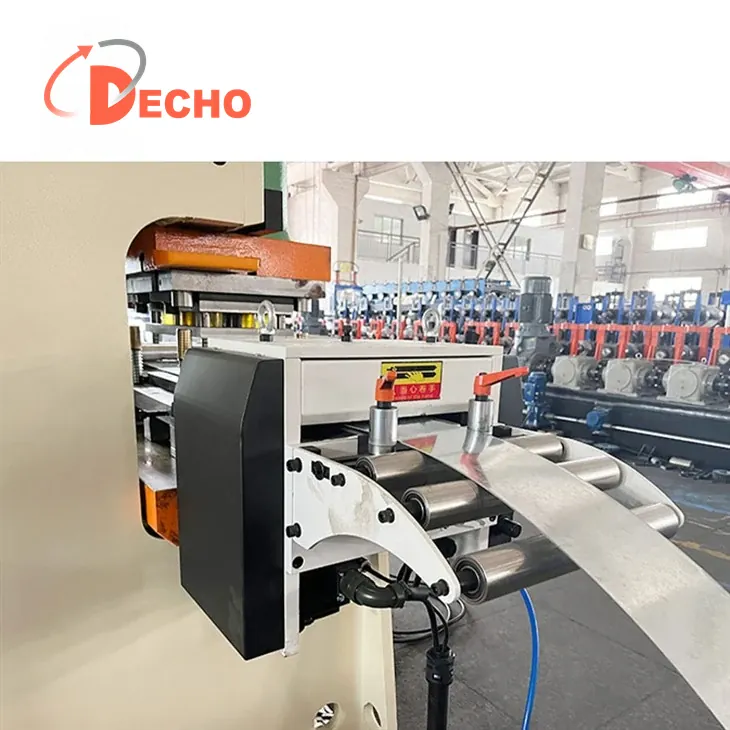
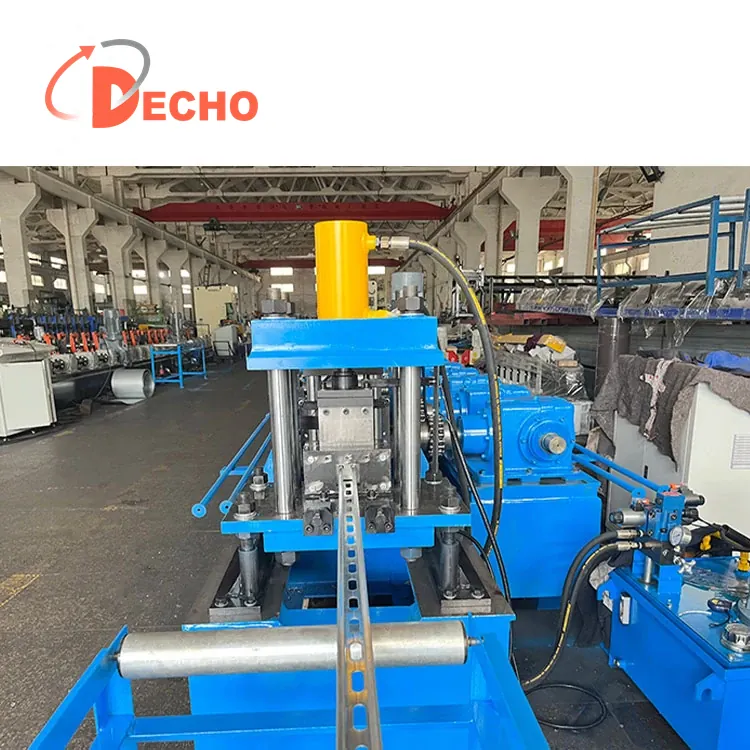
- Check the Lubrication Levels: Most Cold Roll Formers have lubrication points that need to be checked regularly. Refer to the machine's manual to identify these points and check the lubricant levels. If the lubricant level is low, add the appropriate type of lubricant as recommended by the manufacturer.
- Inspect the Lubrication System: Check the lubrication system for any leaks or blockages. A leaking lubrication system can waste lubricant and cause environmental pollution. Blockages in the lubrication lines can prevent the lubricant from reaching the moving parts, leading to increased friction and wear.
- Clean the Lubrication Points: Over time, dirt and debris can accumulate at the lubrication points, which can affect the lubricant's performance. Clean the lubrication points regularly to ensure the lubricant can flow freely and provide proper lubrication.
3. Alignment Check
Proper alignment is crucial for the accurate forming of metal sheets in a Cold Roll Former. Misaligned rollers can cause the metal sheets to bend or twist, resulting in defective products.
- Check the Roller Alignment: Use a precision measuring tool, such as a dial indicator, to check the alignment of the rollers. The rollers should be parallel to each other and perpendicular to the metal sheet's path. If the rollers are misaligned, adjust them according to the machine's manual.
- Inspect the Guide Rails: The guide rails help to keep the metal sheets in place during the forming process. Check the guide rails for any signs of wear or damage. If the guide rails are worn or damaged, they can cause the metal sheets to move out of position, leading to inaccurate forming. Replace the guide rails if necessary.
- Verify the Feeding System Alignment: The feeding system is responsible for delivering the metal sheets to the Cold Roll Former. Check the alignment of the feeding system to ensure the metal sheets are fed into the machine straight and at the correct angle. Misaligned feeding systems can cause the metal sheets to jam or misfeed, resulting in production delays and defective products.
4. Speed and Pressure Check
The speed and pressure settings of a Cold Roll Former can affect the quality and efficiency of the forming process.
- Check the Machine Speed: The machine speed should be set according to the type and thickness of the metal sheets being formed. If the machine speed is too high, the metal sheets may not be formed properly, resulting in defective products. If the machine speed is too low, production efficiency will be reduced. Use a tachometer to measure the machine speed and adjust it as needed.
- Verify the Forming Pressure: The forming pressure is the force applied to the metal sheets by the rollers. The forming pressure should be set according to the type and thickness of the metal sheets being formed. If the forming pressure is too high, the metal sheets may be damaged or deformed. If the forming pressure is too low, the metal sheets may not be formed properly. Use a pressure gauge to measure the forming pressure and adjust it as needed.
5. Product Quality Check
The final step in checking the performance of a Cold Roll Former is to inspect the quality of the formed products.
- Measure the Product Dimensions: Use a precision measuring tool, such as a caliper or micrometer, to measure the dimensions of the formed products. The dimensions should be within the specified tolerance range. If the dimensions are out of tolerance, adjust the machine settings or check for any issues with the rollers or alignment.
- Inspect the Surface Finish: Examine the surface finish of the formed products for any signs of defects, such as scratches, dents, or unevenness. Surface defects can affect the appearance and functionality of the final product. If you notice any surface defects, check the rollers and the lubrication system for any issues.
- Test the Product Strength: Depending on the application, the formed products may need to meet certain strength requirements. Conduct strength tests, such as a bending test or a tensile test, to ensure the products meet the required strength standards. If the products fail the strength tests, adjust the machine settings or check for any issues with the material or the forming process.
Conclusion
Regular performance checks are essential for the optimal operation of a Cold Roll Former. By following the tips outlined in this blog, you can ensure your Cold Roll Former operates at its best, producing high-quality products efficiently. If you have any questions or need further assistance with your Cold Roll Former, please don't hesitate to contact us. We offer a wide range of Cold Roll Formers, including C Purlin Machine, Metal Stud Roll Forming Machine, and Rolling Shutter Making Machine. Our team of experts is always ready to help you choose the right machine for your needs and provide you with the support you need to keep it running smoothly.
References
- Manufacturer's manuals for Cold Roll Formers
- Industry standards for metal forming processes
- Technical literature on machine maintenance and troubleshooting