Choosing the right lubricant for a roll forming machine is a crucial decision that can significantly impact the machine's performance, longevity, and the quality of the formed products. As a reputable Roll Forming Machine supplier, we understand the importance of this aspect and are here to guide you through the process.
Understanding the Role of Lubricants in Roll Forming Machines
Lubricants play multiple vital roles in roll forming machines. Firstly, they reduce friction between the rolls and the metal sheet being formed. Friction can lead to excessive wear and tear on the rolls, which not only shortens their lifespan but also affects the surface finish of the formed products. By minimizing friction, lubricants help to ensure smooth and efficient operation of the machine.
Secondly, lubricants act as a coolant. During the roll forming process, a significant amount of heat is generated due to the deformation of the metal. Excessive heat can cause the metal to lose its mechanical properties and can also damage the rolls. A good lubricant can absorb and dissipate this heat, preventing overheating and maintaining the integrity of both the metal and the machine components.
Finally, lubricants protect the metal from corrosion. The metal sheets used in roll forming are often exposed to various environmental factors, and the forming process can sometimes create conditions that are conducive to corrosion. A lubricant with anti - corrosion properties can form a protective barrier on the metal surface, extending its service life.
Factors to Consider When Choosing a Lubricant
1. Metal Type
Different metals have different properties, and the lubricant needs to be compatible with the specific metal being formed. For example, aluminum is a soft metal that requires a lubricant that can prevent galling and scratching. A lubricant with a high level of anti - adhesion properties is often recommended for aluminum. On the other hand, steel is a tougher metal, but it may be more prone to corrosion. So, a lubricant with excellent anti - corrosion properties is crucial when forming steel sheets.
2. Forming Speed
The speed at which the roll forming machine operates is another important factor. High - speed roll forming generates more heat and friction compared to low - speed operations. Therefore, for high - speed machines, a lubricant with good heat - dissipation and high - load - carrying capacity is required. These lubricants can withstand the intense pressure and heat generated during high - speed forming without breaking down.
3. Machine Design
The design of the roll forming machine also influences the choice of lubricant. Some machines have complex roll configurations or require lubrication in hard - to - reach areas. In such cases, a lubricant with good flow properties is necessary to ensure that all parts of the machine are properly lubricated. Additionally, if the machine has a closed - loop lubrication system, the lubricant needs to be compatible with the system components and should not cause clogging or damage to the filters.
4. Environmental Considerations
In today's environmentally conscious world, it is essential to consider the environmental impact of the lubricant. Some lubricants contain harmful chemicals that can be released into the environment during the forming process. Biodegradable lubricants are a more sustainable option, especially for applications where environmental regulations are strict. These lubricants break down naturally over time, reducing their impact on the environment.
Types of Lubricants for Roll Forming Machines
1. Oil - Based Lubricants
Oil - based lubricants are one of the most commonly used types in roll forming machines. They offer excellent lubrication and heat - dissipation properties. Mineral oils are a popular choice due to their relatively low cost and good performance. However, they may not be the best option for applications where environmental concerns are significant, as they are not biodegradable. Synthetic oils, on the other hand, offer superior performance in terms of temperature resistance, oxidation stability, and anti - wear properties. They are also more environmentally friendly in some cases, as they can be formulated to be biodegradable.
2. Water - Based Lubricants
Water - based lubricants are gaining popularity due to their environmental advantages. They are non - flammable, have low toxicity, and are biodegradable. Water - based lubricants are also effective in reducing friction and heat, but they may require more careful management to prevent issues such as rusting in the machine components. They are often used in applications where the metal surface finish is critical, as they can leave a clean surface on the formed products.
3. Solid Lubricants
Solid lubricants, such as graphite and molybdenum disulfide, are used in specific applications where high - temperature and high - pressure conditions exist. These lubricants can provide lubrication even when the liquid lubricant has been squeezed out or evaporated. They are often used in combination with liquid lubricants to enhance the overall lubrication performance.
Application of Lubricants
Proper application of the lubricant is as important as choosing the right one. The lubricant should be applied evenly to all the contact surfaces between the rolls and the metal sheet. This can be achieved through various methods, such as spraying, dipping, or using a roller applicator.
The frequency of lubricant application also needs to be carefully determined. Over - lubrication can lead to excessive buildup of lubricant on the machine and the formed products, which can cause problems such as staining and difficulty in subsequent processing. Under - lubrication, on the other hand, can result in increased friction and wear. Regular monitoring of the machine's performance and the condition of the lubricant can help in establishing the optimal application frequency.
Our Roll Forming Machines and Lubricant Recommendations
As a Roll Forming Machine supplier, we offer a wide range of machines, including the Upright Rack Roll Forming Machine, Portable Metal Roof Roll Forming Machine, and Corrugated Sheet Roll Forming Machine. For each of these machines, we can provide specific lubricant recommendations based on the factors mentioned above.
For our Upright Rack Roll Forming Machine, which is often used to form steel racks, we recommend an oil - based lubricant with excellent anti - corrosion and high - load - carrying properties. This type of lubricant can withstand the high pressure and ensure smooth forming of the steel sheets, while also protecting the racks from corrosion during storage and use.
The Portable Metal Roof Roll Forming Machine is used for forming metal roof sheets, which are often made of aluminum or steel. For aluminum sheets, a lubricant with good anti - adhesion properties is preferred to prevent scratching. For steel sheets, a lubricant with anti - corrosion and heat - dissipation properties is essential.
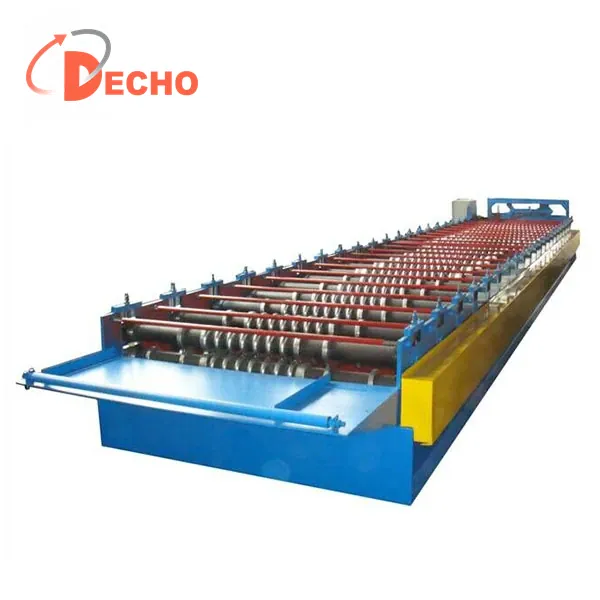
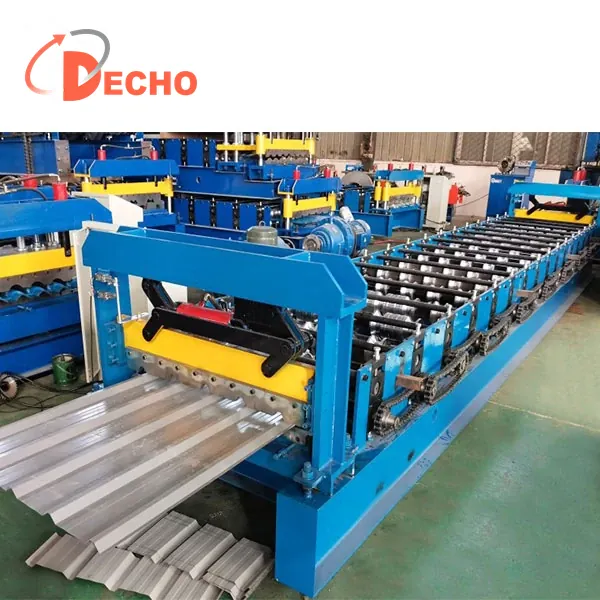
The Corrugated Sheet Roll Forming Machine operates at relatively high speeds in some cases. Therefore, a lubricant with high - speed performance and good heat - dissipation capabilities is recommended. Water - based lubricants can be a good choice for this machine, especially if environmental considerations are important.
Conclusion
Choosing the right lubricant for a roll forming machine is a complex but essential task. By considering factors such as metal type, forming speed, machine design, and environmental impact, you can select a lubricant that will optimize the performance of your machine and improve the quality of your formed products. As a Roll Forming Machine supplier, we are committed to helping you make the right choice and can provide you with the necessary support and advice.
If you are interested in our roll forming machines or need more information about lubricant selection, please feel free to contact us for procurement and further discussion. We look forward to working with you to meet your roll forming needs.
References
- "Roll Forming Handbook" by the Roll Forming Association International.
- "Lubrication Fundamentals" by Booser, E. R.
- Industry reports on metal forming lubricants from various research institutions.