A rollformer is a highly versatile piece of equipment that plays a crucial role in various industries. As a reputable rollformer supplier, we are often asked about the types of materials that our rollformers can process. In this blog post, I'll delve into the diverse range of materials that can be efficiently shaped and formed using our rollforming machines.
Metals
Metals are by far the most commonly processed materials in rollforming. Their durability, strength, and malleability make them ideal for a wide array of applications.
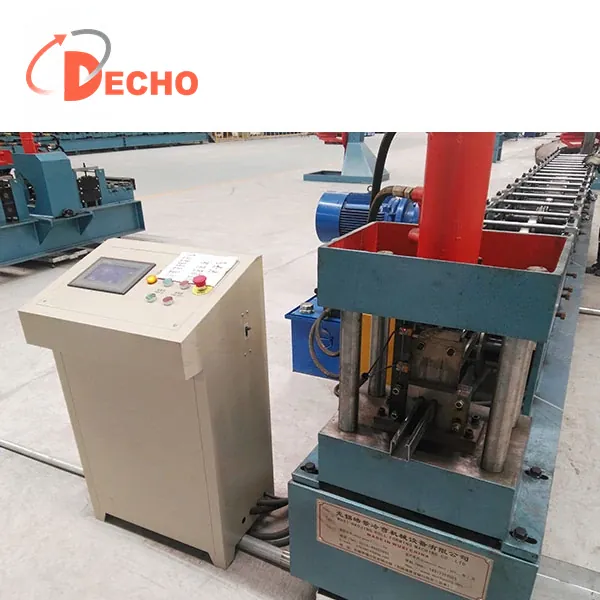
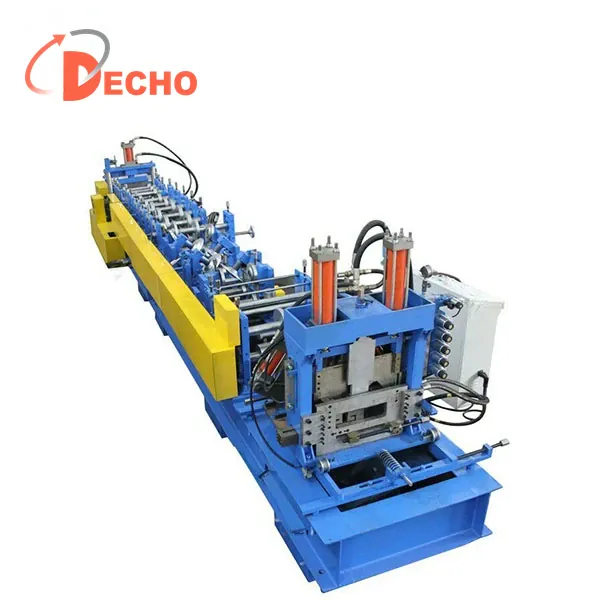
Steel
Steel is one of the most popular materials for rollforming. It comes in different grades and thicknesses, each suitable for specific uses. Mild steel, for example, is easy to form and is commonly used in general construction applications such as roofing, wall panels, and framing. Our Metal Rollformer can handle mild steel sheets with precision, creating smooth and accurate profiles.
Stainless steel is another type of steel that can be processed by our rollformers. It offers excellent corrosion resistance, making it perfect for applications in harsh environments, such as food processing plants, chemical industries, and marine settings. The ability to rollform stainless steel into complex shapes allows for the creation of high - quality, long - lasting products.
Aluminum
Aluminum is a lightweight yet strong metal that is widely used in industries where weight is a critical factor. It is highly resistant to corrosion and has good thermal and electrical conductivity. Our rollformers can easily process aluminum sheets and coils, producing products like window frames, door frames, and automotive components. The Door Frame Roll Forming Machine is specifically designed to form aluminum into precise door frame profiles, ensuring a perfect fit and finish.
Copper
Copper is a highly conductive metal with excellent corrosion resistance. It is commonly used in electrical applications, plumbing, and decorative elements. Our rollformers can shape copper into various profiles, such as tubes, channels, and strips. The smooth surface finish achieved during the rollforming process makes copper products not only functional but also aesthetically pleasing.
Plastics
Plastics have become increasingly popular in rollforming due to their low cost, lightweight, and ease of customization.
PVC
Polyvinyl chloride (PVC) is a widely used plastic in rollforming. It is available in different formulations, including rigid and flexible PVC. Rigid PVC is often used in construction for products like window frames, siding, and fencing. Our rollformers can process rigid PVC sheets into precise profiles, providing a cost - effective alternative to traditional materials. Flexible PVC, on the other hand, is used in applications such as seals, gaskets, and cable insulation.
Polycarbonate
Polycarbonate is a strong, transparent plastic with excellent impact resistance. It is commonly used in applications where safety and visibility are important, such as skylights, safety shields, and automotive glazing. Our rollformers can process polycarbonate sheets into curved and complex shapes, allowing for the creation of innovative and functional products.
Composites
Composites are materials made by combining two or more different materials to achieve specific properties.
Fiberglass Reinforced Plastics (FRP)
FRP is a composite material consisting of a plastic matrix reinforced with glass fibers. It offers high strength - to - weight ratio, corrosion resistance, and good electrical insulation properties. Our rollformers can process FRP sheets and profiles, creating products for industries such as transportation, construction, and marine. The ability to form FRP into complex shapes makes it a popular choice for applications where traditional materials may not be suitable.
Wood - Plastic Composites (WPC)
WPC is a composite material made by combining wood fibers or flour with thermoplastics. It combines the natural look and feel of wood with the durability and low maintenance of plastic. Our rollformers can process WPC into various profiles, such as decking, railing, and siding. WPC products are increasingly being used in outdoor construction due to their resistance to rot, decay, and insect damage.
Other Materials
In addition to the above - mentioned materials, our rollformers can also process other materials to a certain extent.
Paperboard
Paperboard is a thick paper - based material that can be rollformed into simple shapes. It is commonly used in packaging applications, such as boxes and cartons. Our rollformers can create precise folds and bends in paperboard, ensuring a tight and secure fit for the packaged products.
Rubber
Rubber is an elastic material that can be rollformed into various profiles, such as seals and gaskets. Our rollformers can handle different types of rubber, including natural rubber and synthetic rubber. The ability to form rubber into specific shapes allows for the production of high - quality sealing products that can withstand different environmental conditions.
Factors Affecting Material Processing
When it comes to processing different materials with a rollformer, several factors need to be considered.
Material Thickness
The thickness of the material has a significant impact on the rollforming process. Thicker materials require more force to form, and the rollformer needs to be properly adjusted to ensure a smooth and accurate forming process. Our rollformers are designed to handle a wide range of material thicknesses, from thin sheets to relatively thick plates.
Material Hardness
Harder materials are more difficult to form than softer materials. For example, high - strength steel is harder to rollform than mild steel. Our rollformers are equipped with powerful motors and precision - engineered rolls to handle materials of different hardness levels.
Material Surface Finish
The surface finish of the material can affect the rollforming process. Materials with a rough surface may cause more friction during the forming process, which can lead to wear and tear on the rolls. Our rollformers are designed to minimize the impact of surface finish on the forming process, ensuring a consistent and high - quality output.
Conclusion
As a rollformer supplier, we take pride in offering machines that can process a wide variety of materials. From metals like steel, aluminum, and copper to plastics, composites, and even some unconventional materials, our rollformers are designed to meet the diverse needs of our customers. Whether you are in the construction, automotive, packaging, or any other industry, we have the right rollforming solution for you.
If you are interested in purchasing a rollformer or have any questions about material processing, we invite you to contact us for a detailed discussion. Our team of experts is ready to assist you in choosing the most suitable rollformer for your specific requirements and help you achieve the best results in your production process.
References
- ASM Handbook, Volume 14A: Metalworking: Bulk Forming. ASM International.
- Plastics Engineering Handbook. Hanser Publications.
- Composite Materials Handbook. SAE International.