Hey there! As a supplier in the cold roll forming industry, I've seen firsthand how crucial it is to control tension during the cold roll forming process. Tension control isn't just a technical detail; it's the key to producing high - quality products. So, let's dive into how to handle tension in cold roll forming.
First off, understanding what tension means in cold roll forming is essential. Tension refers to the pulling force applied to the metal strip as it moves through the roll forming machine. If the tension is too high, the metal can stretch or even break, leading to product defects and production delays. On the other hand, if the tension is too low, the metal may not form properly, resulting in uneven shapes and poor - quality finished products.
One of the most important factors in tension control is the initial setup of the roll forming machine. When you're starting a new production run, it's vital to adjust the machine according to the type and thickness of the metal you're using. Different metals have different properties, like elasticity and ductility, which affect how they respond to tension. For example, stainless steel is more rigid than aluminum, so it requires a different tension setting. Before you start rolling, measure the thickness of the metal accurately and refer to the machine's manual to set the appropriate tension level.
Another crucial aspect is the speed of the roll forming process. Running the machine too fast can increase tension unexpectedly. As the metal moves through the rolls at a high speed, the friction between the metal and the rolls can build up, causing the tension to spike. To avoid this, start the machine at a slow speed and gradually increase it as you monitor the tension. You can use tension sensors installed on the machine to keep track of the tension in real - time. These sensors can give you accurate readings and help you make adjustments on the fly.
The alignment of the rolls also plays a big role in tension control. Misaligned rolls can cause uneven tension across the width of the metal strip. If the rolls are not parallel or if they are set at the wrong angle, the metal will experience more tension on one side than the other. This can lead to warping and other defects in the finished product. Regularly check the alignment of the rolls and make sure they are properly adjusted. You can use alignment tools to ensure that the rolls are in the correct position.
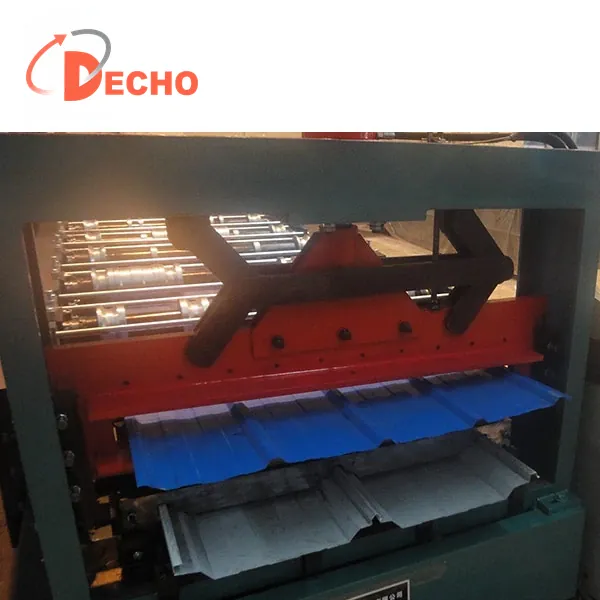
Now, let's talk about some of the products we offer as a cold roll forming supplier. We have a great Double Layer Roll Former. This machine is designed to produce two different profiles simultaneously, which can significantly increase your production efficiency. With proper tension control, you can ensure that both layers are formed perfectly, without any stretching or distortion.
Our Portable Metal Roof Roll Forming Machine is another popular product. It's ideal for on - site construction projects. When using this machine, tension control is especially important because the metal is often being formed in less - than - ideal conditions. You need to make sure that the tension is consistent throughout the process to produce high - quality roof sheets.
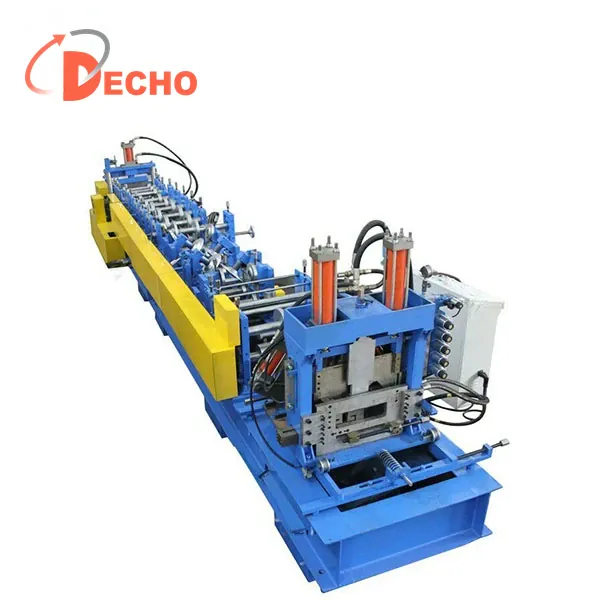
And then there's our Purlin Roll Former. Purlins are an important structural component in many buildings, and the quality of the purlins depends on proper tension control during the roll forming process. If the tension is not right, the purlins may not have the correct shape or strength, which can compromise the integrity of the building.
In addition to these mechanical adjustments, lubrication is also an important factor in tension control. Using the right lubricant can reduce friction between the metal and the rolls, which in turn helps to keep the tension stable. Make sure to use a lubricant that is suitable for the type of metal you're working with. Some lubricants are designed specifically for stainless steel, while others are better for aluminum. Apply the lubricant evenly to the rolls and the metal strip to ensure smooth operation.
Another tip is to perform regular maintenance on your roll forming machine. Over time, the components of the machine can wear out, which can affect tension control. Check the belts, chains, and gears regularly and replace them if they are worn. A well - maintained machine is more likely to operate smoothly and maintain consistent tension.
Finally, training your operators is crucial. Your operators should understand the importance of tension control and how to make the necessary adjustments. Provide them with comprehensive training on the operation of the roll forming machine, including how to use the tension sensors and make adjustments based on the readings. Encourage them to ask questions and share their experiences, so they can learn from each other.
In conclusion, controlling tension in cold roll forming is a complex but essential task. By paying attention to factors like initial setup, speed, roll alignment, lubrication, maintenance, and operator training, you can ensure that your cold roll forming process runs smoothly and produces high - quality products. If you're in the market for cold roll forming machines or need more advice on tension control, don't hesitate to reach out. We're here to help you make the most of your cold roll forming operations.
References
- "Cold Roll Forming Technology Handbook"
- Industry research papers on metal forming processes