Ensuring the alignment of materials in a Profile Forming Machine is crucial for the quality and efficiency of the production process. As a trusted Profile Forming Machine supplier, we understand the significance of this aspect and have extensive experience in providing solutions to our customers. In this blog, we will share some key strategies and best practices to help you ensure proper material alignment in your Profile Forming Machine.
Understanding the Importance of Material Alignment
Accurate material alignment is the foundation of producing high - quality profiles. Misaligned materials can lead to a variety of issues, such as uneven profiles, poor finish, and even machine breakdowns. When materials are not properly aligned, the forming rolls may not apply pressure evenly, causing the profile to warp or deform. This not only affects the aesthetic appearance of the final product but also its structural integrity.
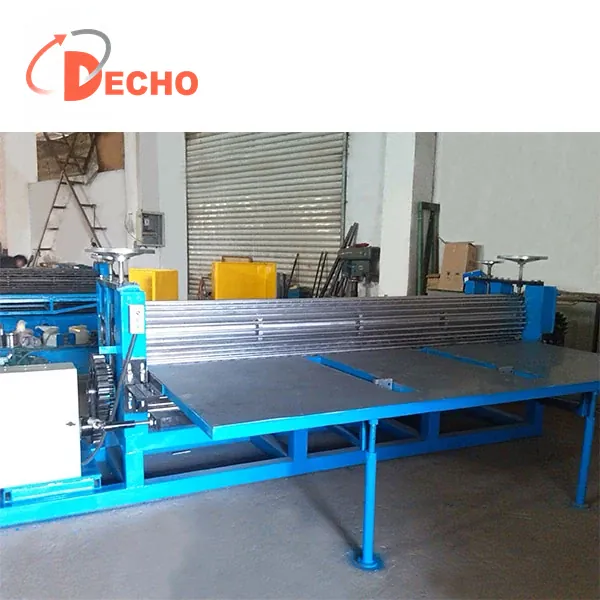
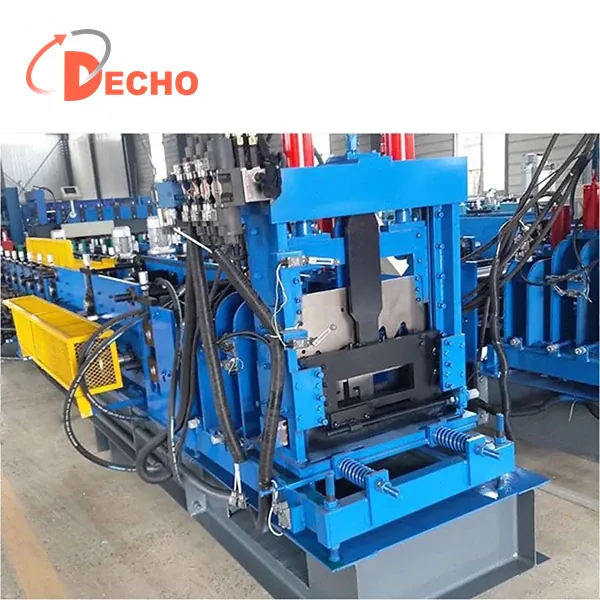
Moreover, misaligned materials can increase wear and tear on the machine components. The forming rolls, bearings, and other parts may experience excessive stress, leading to premature failure. This can result in costly repairs and downtime, which can significantly impact your production schedule and profitability.
Pre - Installation Checks
Before installing a Profile Forming Machine, it is essential to conduct a thorough site inspection. The installation surface should be flat, level, and capable of supporting the weight of the machine. Any unevenness in the surface can cause the machine to tilt, leading to material misalignment during operation.
Measure the installation area carefully to ensure that it can accommodate the machine and its associated equipment. Adequate space around the machine is necessary for easy access during maintenance and operation. Also, check the availability of utilities such as electricity, compressed air, and coolant, as these are critical for the proper functioning of the machine.
Correct Material Loading
Proper material loading is the first step in ensuring alignment. The material should be loaded onto the machine in a straight and consistent manner. Use quality handling equipment to ensure that the material is not bent or damaged during the loading process. For example, if you are using a coil of metal sheet as your raw material, make sure that the coil is properly centered on the decoiler.
The tension of the material during unwinding also plays a crucial role in alignment. If the tension is too high, the material may stretch; if it is too low, the material may sag. You need to adjust the tension settings according to the type and thickness of the material. Modern Profile Forming Machines often come with automatic tension control systems that can help maintain a consistent tension.
Machine Calibration
Regular machine calibration is essential for maintaining material alignment. The forming rolls should be precisely calibrated to ensure that they are parallel to each other and perpendicular to the direction of material feed. Any deviation in the roll alignment can cause the material to shift during the forming process.
Use high - precision measuring tools such as calipers, micrometers, and laser alignment systems to calibrate the machine. Check the alignment of the rolls at regular intervals, especially after a long period of operation or when changing to a different type of material. If you are unsure about the calibration process, our technical support team can provide you with detailed instructions or even on - site calibration services.
Guide Rollers and Supports
Guide rollers and supports are important components for ensuring material alignment. They help to keep the material in the correct position as it passes through the machine. Make sure that the guide rollers are properly adjusted and maintained. They should not be too tight, which can cause excessive friction and damage the material, nor too loose, which will not provide effective guidance.
Regularly inspect the guide rollers for wear and tear. Replace any worn - out rollers promptly to ensure smooth material flow. Additionally, install supports at appropriate intervals along the material path to prevent sagging or bending of the material, especially when dealing with long or thin profiles.
Operator Training
Well - trained operators are key to ensuring material alignment in a Profile Forming Machine. Provide comprehensive training to your operators on machine operation, maintenance, and alignment procedures. They should understand the importance of material alignment and be able to identify early signs of misalignment.
During the training, operators should learn how to adjust the various settings of the machine to ensure proper alignment. For example, they should know how to adjust the feed speed, the pressure of the forming rolls, and the tension of the material. Also, train them on how to use the diagnostic tools available on the machine to detect and troubleshoot alignment issues.
Quality Control Checks
Implement a strict quality control system to monitor material alignment during the production process. Regularly inspect the profiles coming out of the machine. Check for any signs of misalignment, such as uneven edges, inconsistent profile dimensions, or visible deformation.
Use inspection tools like gauges, rulers, and profilometers to measure the quality of the profiles. If misalignment is detected, immediately stop the production process, identify the cause, and take corrective actions. By catching alignment issues early, you can prevent the production of defective products and reduce waste.
Utilizing Advanced Technology
Modern Profile Forming Machines are often equipped with advanced technology that can help improve material alignment. For example, some machines come with sensors that can detect the position and orientation of the material in real - time. These sensors can send signals to the control system, which can then automatically adjust the machine settings to correct any misalignment.
Another useful technology is the use of servo - driven systems. Servo - driven machines offer more precise control over the movement of the forming rolls and the feed of the material. This allows for better synchronization and alignment, resulting in higher - quality profiles.
Related Machines
If you are interested in exploring other types of related machines, we also offer a range of high - quality products. Our Barrel Corrugation Machine is designed to produce corrugated profiles with high precision. The Portable Roll Forming Machine is ideal for on - site production, offering flexibility and convenience. And our Steel Silo Roll Forming Machine is specifically engineered for the production of steel silo components.
Conclusion
Ensuring the alignment of materials in a Profile Forming Machine is a multi - faceted process that requires careful planning, proper installation, regular maintenance, and well - trained operators. By following the strategies and best practices outlined in this blog, you can minimize material misalignment, improve the quality of your products, and increase the efficiency of your production process.
If you are looking for a reliable Profile Forming Machine supplier or need further assistance in ensuring material alignment in your machine, we invite you to contact us. Our team of experts is ready to provide you with professional advice and solutions tailored to your specific needs. Start the conversation with us today to take your production to the next level.
References
- "Roll Forming Technology Handbook" - A comprehensive guide on roll forming processes and machine operations.
- Industry reports on profile forming machine performance and quality control.