When it comes to metal roofing, one of the most crucial aspects is the processing capacity of the metal roof forming machine. As a leading supplier of Metal Roof Forming Machines, I often receive inquiries about the maximum thickness of metal that our machines can handle. In this blog post, I will delve into this topic, exploring the factors that influence the maximum thickness, the capabilities of our machines, and how this impacts the overall roofing project.
Factors Influencing the Maximum Thickness
The maximum thickness of metal that a metal roof forming machine can process is not a fixed value. It is influenced by several key factors, each playing a significant role in determining the machine's capabilities.
Machine Design and Structure
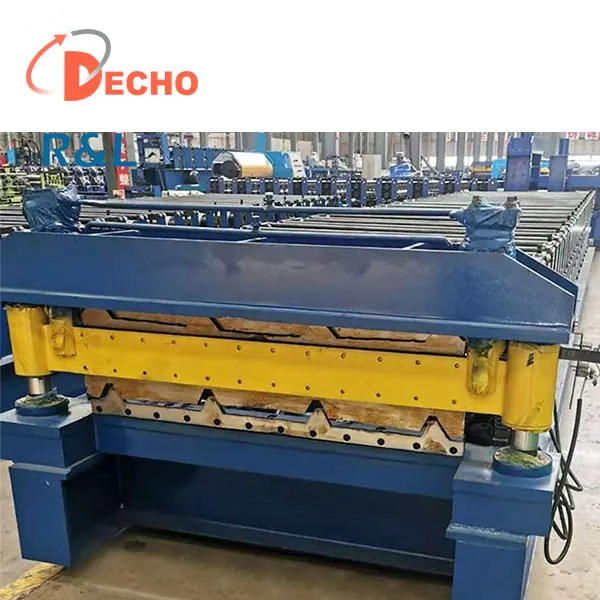
The design and structure of the metal roof forming machine are fundamental to its processing capacity. Machines with robust frames and high - quality components are generally capable of handling thicker metals. Our machines are engineered with heavy - duty frames and precision - made components, which provide the necessary strength and stability to process thicker metal sheets. For example, the Cold Roll Forming Machinery we offer is designed with a strong frame that can withstand the high pressures required to shape thick metal.
Roll Tooling
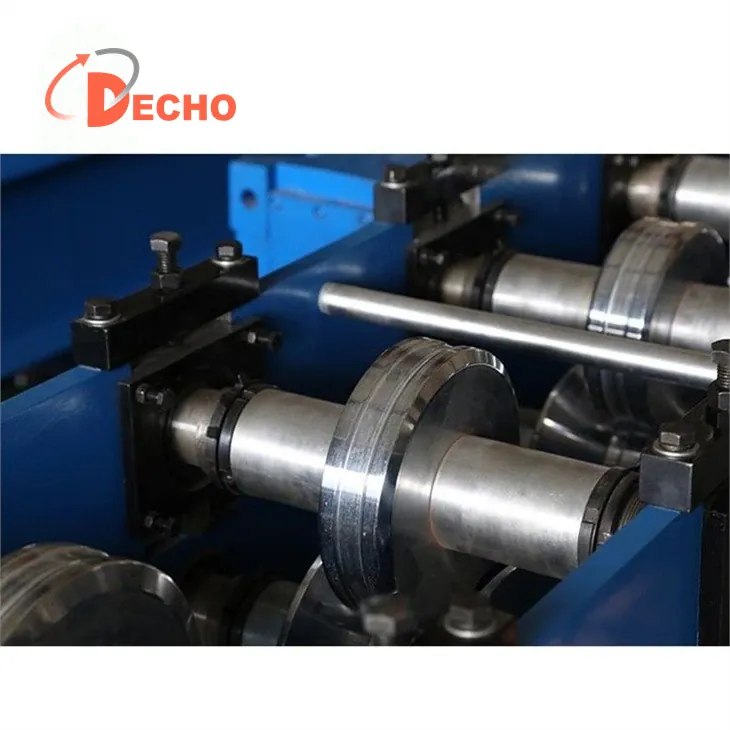
The roll tooling is another critical factor. The design and material of the rolls determine how effectively they can bend and shape the metal. High - quality roll tooling made from hardened steel can handle thicker metals without excessive wear. Our roll tooling is precisely machined to ensure smooth and accurate forming of metal sheets. The Roof And Wall Panel Roll Forming Machine uses advanced roll tooling technology, which allows it to process a wide range of metal thicknesses.
Power and Drive System
The power and drive system of the machine are essential for processing thick metals. A powerful motor and an efficient drive system can provide the necessary force to push the metal through the forming process. Our machines are equipped with high - power motors and reliable drive systems, enabling them to handle thick metal sheets with ease.
Capabilities of Our Metal Roof Forming Machines
Our Metal Roof Forming Machines are designed to meet the diverse needs of the roofing industry. They can process a wide range of metal thicknesses, depending on the specific model and configuration.
Standard Thickness Range
In general, our standard metal roof forming machines can process metal sheets with a thickness ranging from 0.3mm to 3mm. This range covers most of the common metal roofing applications, such as residential and commercial roofing. For thinner sheets, the machine can operate at a higher speed, ensuring efficient production. As the thickness increases, the machine adjusts its speed and pressure to maintain the quality of the formed metal.
Specialized Machines for Thicker Metals
For applications that require processing thicker metals, we offer specialized machines. These machines are designed with enhanced capabilities, including stronger frames, more powerful motors, and advanced roll tooling. They can process metal sheets with a thickness of up to 6mm or even more in some cases. For example, our Roof Panel Roll Forming Machine can be customized to handle thicker metals for industrial roofing projects.
Impact on Roofing Projects
The maximum thickness of metal that a machine can process has a significant impact on the roofing project.
Durability and Strength
Thicker metal roofs are generally more durable and stronger. They can withstand harsh weather conditions, such as strong winds, heavy snow, and hail. By using our machines to process thicker metals, you can ensure that your roofing project has a long - lasting and reliable roof.
Design Flexibility
The ability to process different metal thicknesses provides design flexibility. You can choose the appropriate thickness based on the specific requirements of the project, such as the architectural style, the location, and the budget. For example, in areas with high wind loads, a thicker metal roof may be required for better stability.
Cost - effectiveness
While thicker metals may be more expensive, they can also offer long - term cost savings. A thicker metal roof requires less maintenance and has a longer lifespan, reducing the overall cost of the roofing project over time.
Conclusion
In conclusion, the maximum thickness of metal that a metal roof forming machine can process depends on various factors, including machine design, roll tooling, and power system. Our Metal Roof Forming Machines are capable of processing a wide range of metal thicknesses, from thin sheets to thick plates. Whether you are working on a small residential project or a large industrial roofing job, our machines can meet your needs.
If you are interested in learning more about our Metal Roof Forming Machines or have specific requirements for your roofing project, please feel free to contact us for a detailed discussion. We are committed to providing high - quality machines and excellent customer service to help you achieve the best results for your roofing projects.
References
- Metal Forming Handbook: Principles and Applications, ASM International
- Cold Roll Forming Technology: Design, Process, and Equipment, CRC Press