As a supplier of Purlin Forming Machines, ensuring the stability of these machines during operation is not only a technical challenge but also a key factor in satisfying our customers. A stable purlin forming machine can effectively improve production efficiency, reduce production costs, and ensure the quality of the finished products. In this blog, I will share some practical methods and technical insights to help you maintain the stable operation of purlin forming machines.
1. Machine Installation and Foundation
Proper installation is the first step to ensure the stability of a purlin forming machine. Before installation, it is necessary to carefully select the installation site. The site should be flat, and the ground should have sufficient bearing capacity to support the weight of the machine and its vibration during operation. A weak or uneven foundation can cause the machine to vibrate excessively, which may lead to misalignment of components and a decrease in production quality.
When installing the machine, follow the manufacturer's installation manual strictly. Ensure that all components are correctly positioned and firmly connected. Use high - quality bolts and fasteners to prevent loosening during operation. Regularly check the tightness of these connections during the machine's operation to avoid any potential problems.
2. Raw Material Quality Control
The quality of the raw materials used in the purlin forming process has a significant impact on the stability of the machine. Irregular or low - quality raw materials can cause jams, uneven feeding, and excessive wear on the machine components.
As a responsible supplier, we always recommend our customers to use high - quality steel coils with uniform thickness and width. Before starting the production, carefully inspect the raw materials for any surface defects, such as scratches, rust, or unevenness. Any defective materials should be removed or repaired to ensure smooth feeding and forming processes.
For example, if the steel coil has uneven thickness, it can cause the rollers of the forming machine to bear uneven pressure. This uneven pressure will not only affect the shape of the final product but also increase the wear on the rollers, reducing the stability and lifespan of the machine.
3. Machine Maintenance and Lubrication
Regular maintenance is essential for the stability of a purlin forming machine. A well - maintained machine is less likely to experience breakdowns and can operate more smoothly.
First of all, establish a comprehensive maintenance schedule. This schedule should include daily, weekly, monthly, and annual maintenance tasks. For daily maintenance, operators should clean the machine surface, remove any debris or dust, and check for any abnormal noises or vibrations during operation.
Weekly maintenance may involve checking the electrical system, including wires, switches, and control panels. Make sure there are no loose connections or damaged components. Check the lubrication system to ensure that all moving parts are properly lubricated. Lubrication can reduce friction between components, prevent overheating, and extend the service life of the machine.
Monthly and annual maintenance tasks are more in - depth. These may include inspecting and adjusting the rollers, belts, and gears. Replace any worn - out parts in a timely manner. For example, the rollers of the forming machine will gradually wear out during long - term use, which may affect the accuracy of the forming process. By regularly calibrating and replacing the rollers, we can ensure that the machine operates stably.
4. Operator Training and Management
Well - trained operators are crucial for the stable operation of a purlin forming machine. Operators should have a good understanding of the machine's structure, operating principles, and safety regulations.
Provide comprehensive training to operators before they start using the machine. The training should cover topics such as machine operation, maintenance, troubleshooting, and safety precautions. Encourage operators to record any problems or abnormal situations they encounter during operation. This information can be used for future analysis and improvement.
Operators should also be responsible for the daily maintenance of the machine. They should follow the established maintenance procedures and report any potential problems immediately. By promoting a sense of responsibility among operators, we can effectively improve the stability of the machine.
5. Technological Updates and Upgrades
In the field of purlin forming machine manufacturing, technology is constantly evolving. Upgrading the machine with the latest technologies can significantly improve its stability.
For example, modern purlin forming machines are often equipped with advanced control systems, such as PLC (Programmable Logic Controller) systems. These systems can precisely control the speed, pressure, and forming process of the machine, ensuring more consistent and stable production. By upgrading the old control systems to the latest ones, we can improve the machine's performance and stability.
In addition, new materials and manufacturing processes can also be applied to the machine to enhance its durability and stability. For instance, using high - strength alloy steel for critical components can reduce wear and improve the machine's resistance to vibration.
6. Complementary Equipment and System Compatibility
A purlin forming machine usually works in conjunction with other equipment, such as decoilers, cut - off machines, and stacking devices. Ensuring the compatibility and stability of these complementary equipment is also important for the overall stability of the production line.
When selecting complementary equipment, consider its performance, capacity, and compatibility with the purlin forming machine. Make sure that all equipment can work together smoothly without any conflicts or interference. For example, the decoiler should be able to provide a continuous and stable supply of raw materials, and the cut - off machine should be able to accurately cut the formed purlins according to the specified dimensions.
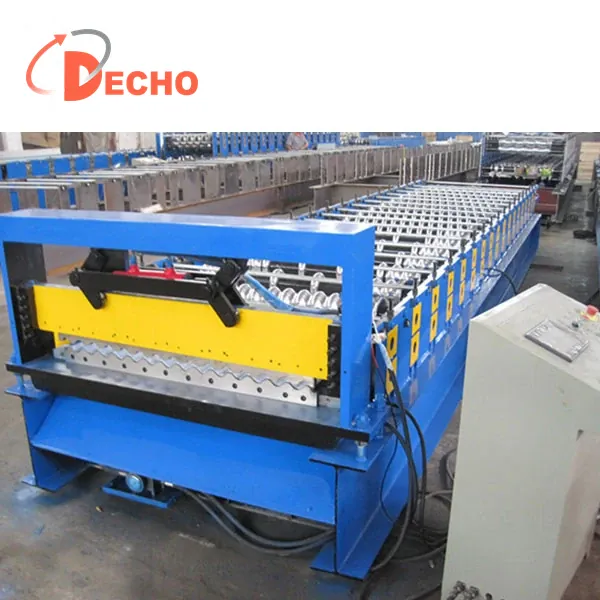
If you are interested in other types of roll - forming machines, we also offer Corrugated Roll Forming Machine, Silo Roll Forming Machine, and Box Beam Roll Forming Machine. These machines are also designed with high - quality components and advanced technologies to ensure stable operation.
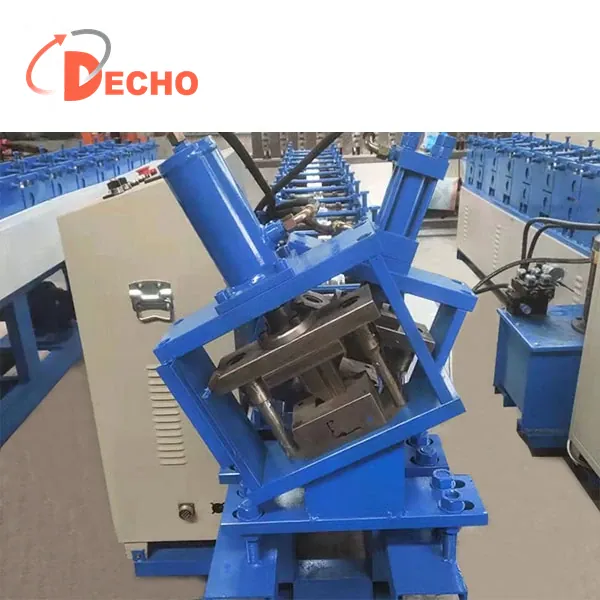
In conclusion, ensuring the stability of a purlin forming machine during operation requires a comprehensive approach, including proper installation, raw material control, regular maintenance, operator training, technological upgrades, and system compatibility. By implementing these measures, we can not only improve the production efficiency and product quality but also reduce the maintenance costs and downtime of the machine.
If you are in the market for a purlin forming machine or need more information on how to ensure its stable operation, please feel free to contact us. We are always ready to provide you with professional advice and high - quality products to meet your production needs.
References
- "Roll Forming Technology" by John Doe, published by ABC Publishing Company.
- "Industrial Machine Maintenance Handbook" edited by Jane Smith, published by XYZ Press.
- Technical manuals of our purlin forming machines.