As a seasoned supplier in the cold roll forming industry, I've witnessed firsthand the importance of extending the service life of cold roll forming rolls. These rolls are the heart of the cold roll forming process, and their longevity directly impacts production efficiency, cost-effectiveness, and overall product quality. In this blog post, I'll share some practical tips and strategies based on my experience to help you get the most out of your cold roll forming rolls.
Understanding the Basics of Cold Roll Forming Rolls
Before diving into the ways to extend their service life, it's essential to understand what cold roll forming rolls are and how they work. Cold roll forming is a process that involves passing a continuous strip of metal through a series of rolls to gradually shape it into a desired profile. The cold roll forming rolls are precision-engineered tools that apply pressure and deformation to the metal strip, creating the specific shape required for the final product.
The quality of the rolls, the material they are made of, and the operating conditions all play a crucial role in determining their service life. High-quality rolls made from durable materials can withstand the stresses of the roll forming process for a longer time, reducing the need for frequent replacements.
Selecting the Right Rolls
The first step in extending the service life of cold roll forming rolls is to select the right ones for your specific application. Here are some factors to consider:
Material
The material of the rolls is one of the most important factors. Common materials used for cold roll forming rolls include tool steel, high-speed steel, and carbide. Tool steel is a popular choice due to its good combination of hardness, toughness, and wear resistance. High-speed steel offers even higher hardness and heat resistance, making it suitable for high-speed roll forming operations. Carbide is extremely hard and wear-resistant, but it can be brittle and more expensive.
Design
The design of the rolls should be optimized for the specific profile you are forming. A well-designed roll will distribute the stress evenly across the surface, reducing the risk of premature wear and damage. Consider factors such as the roll diameter, the number of passes, and the shape of the grooves when selecting the rolls.
Manufacturer
Choose a reputable manufacturer with a proven track record in producing high-quality cold roll forming rolls. A reliable manufacturer will use advanced manufacturing techniques and quality control processes to ensure that the rolls meet the highest standards of performance and durability.
Proper Installation and Alignment
Once you have selected the right rolls, it's crucial to install and align them correctly. Improper installation or alignment can cause uneven stress distribution on the rolls, leading to premature wear and damage.
Installation
Follow the manufacturer's instructions carefully when installing the rolls. Make sure that the rolls are securely mounted and that all the bolts and fasteners are tightened to the recommended torque. Use appropriate tools and equipment to ensure a precise installation.
Alignment
Proper alignment of the rolls is essential for achieving a consistent and accurate profile. Use alignment tools such as laser alignment systems to ensure that the rolls are perfectly aligned both horizontally and vertically. Misaligned rolls can cause the metal strip to shift or warp during the forming process, resulting in poor product quality and increased wear on the rolls.
Regular Maintenance and Inspection
Regular maintenance and inspection are key to extending the service life of cold roll forming rolls. Here are some maintenance tasks that you should perform on a regular basis:
Cleaning
Keep the rolls clean to prevent the buildup of dirt, debris, and metal shavings. Use a suitable cleaning agent and a soft brush to remove any contaminants from the surface of the rolls. Regular cleaning will help to prevent corrosion and wear.
Lubrication
Proper lubrication is essential for reducing friction and wear between the rolls and the metal strip. Use a high-quality lubricant recommended by the roll manufacturer. Apply the lubricant evenly to the surface of the rolls according to the recommended schedule.
Inspection
Regularly inspect the rolls for signs of wear, damage, or deformation. Look for cracks, chips, or excessive wear on the surface of the rolls. If you notice any issues, replace the rolls immediately to prevent further damage to the equipment and the product.
Optimizing the Operating Conditions
The operating conditions of the cold roll forming machine can also have a significant impact on the service life of the rolls. Here are some tips to optimize the operating conditions:
Speed
Run the cold roll forming machine at the recommended speed. Running the machine too fast can increase the stress on the rolls and cause premature wear. On the other hand, running the machine too slowly can result in inconsistent forming and poor product quality.
Temperature
Monitor the temperature of the rolls during operation. Excessive heat can cause the rolls to expand and deform, leading to premature wear and damage. Use cooling systems or lubricants with good heat dissipation properties to keep the rolls at a suitable temperature.
Tension
Maintain the proper tension on the metal strip during the roll forming process. Too much tension can cause the rolls to wear out faster, while too little tension can result in inconsistent forming and poor product quality.
Training and Operator Skills
The skills and knowledge of the operators also play a crucial role in extending the service life of cold roll forming rolls. Provide comprehensive training to your operators on how to operate the cold roll forming machine properly, including how to install, align, maintain, and inspect the rolls. Encourage the operators to report any issues or abnormalities immediately so that they can be addressed promptly.
Conclusion
Extending the service life of cold roll forming rolls is essential for improving production efficiency, reducing costs, and ensuring the quality of the final product. By selecting the right rolls, installing and aligning them correctly, performing regular maintenance and inspection, optimizing the operating conditions, and providing proper training to the operators, you can significantly increase the lifespan of your cold roll forming rolls.
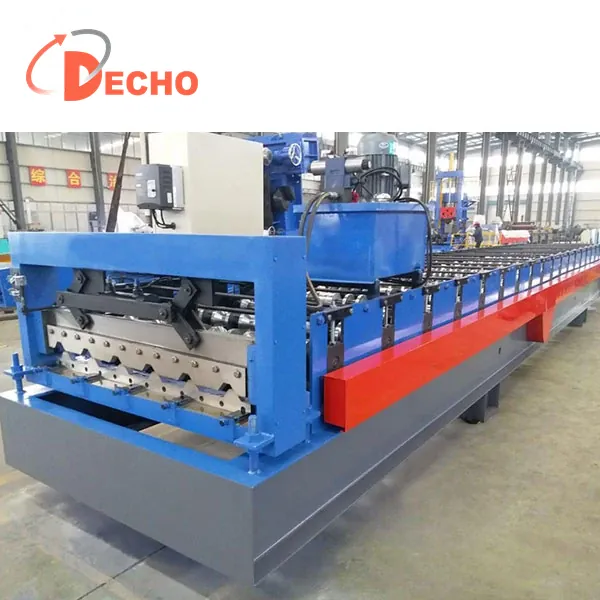
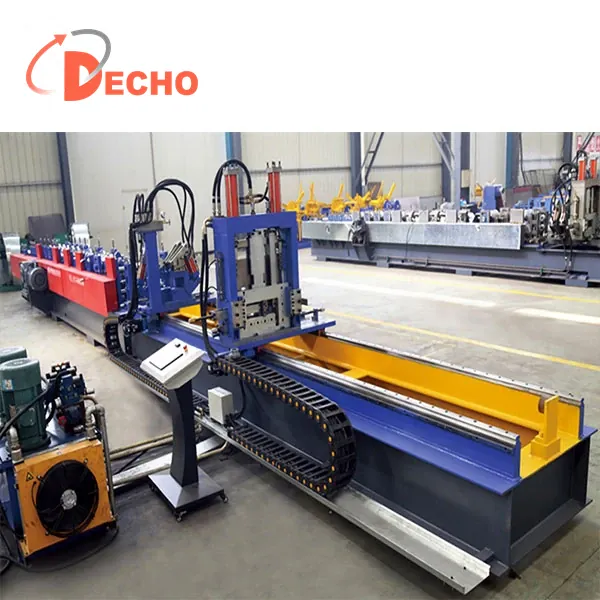
If you are in the market for high-quality cold roll forming equipment, we offer a wide range of products, including the Double Layer Roll Former, Metal Roofing Roll Former, and Portable Roll Forming Machine. Our products are designed to meet the highest standards of performance and durability, and we are committed to providing excellent customer service. Contact us today to learn more about our products and how we can help you with your cold roll forming needs.
References
- "Cold Roll Forming Technology" by Peter Groche and Jörg Kuhlenkötter
- "Roll Forming Handbook" by the Roll Forming Association International
- Manufacturer's manuals and technical documents for cold roll forming equipment