Maintaining the guide rails in a cold roll former is crucial for ensuring the machine's optimal performance, longevity, and the quality of the formed products. As a trusted Cold Roll Former supplier, we understand the significance of proper guide rail maintenance. In this blog, we will delve into the essential steps and best practices for maintaining the guide rails in a cold roll former.
Understanding the Role of Guide Rails in a Cold Roll Former
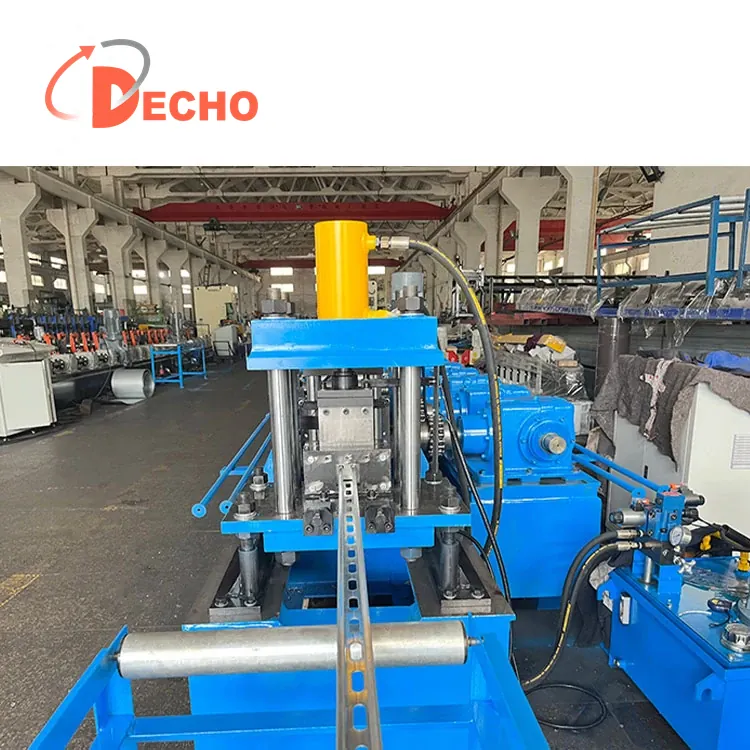
Before we discuss maintenance, it's important to understand the role of guide rails in a cold roll former. Guide rails are responsible for guiding the metal strip through the roll forming process. They ensure that the metal moves in a straight and consistent path, which is essential for achieving accurate and uniform profiles. Any issues with the guide rails can lead to misalignment, uneven forming, and even damage to the machine and the formed products.
Regular Inspection
Regular inspection is the first step in maintaining the guide rails. It allows you to identify any potential issues early on and take corrective action before they escalate. Here are some key aspects to check during an inspection:
- Visual Inspection: Look for signs of wear, such as scratches, dents, or corrosion on the surface of the guide rails. Check for any loose or damaged components, such as bolts or brackets.
- Alignment: Ensure that the guide rails are properly aligned. Misaligned guide rails can cause the metal strip to deviate from its intended path, resulting in uneven forming. Use a straightedge or a laser alignment tool to check the alignment.
- Clearance: Check the clearance between the guide rails and the metal strip. The clearance should be consistent along the entire length of the guide rails. Too much clearance can cause the metal strip to wobble, while too little clearance can lead to excessive friction and wear.
Cleaning
Cleaning the guide rails regularly is essential for preventing the buildup of dirt, debris, and metal shavings. These contaminants can cause abrasion and damage to the guide rails, as well as affect the quality of the formed products. Here are some tips for cleaning the guide rails:
- Use a Soft Brush: Use a soft brush to remove loose dirt and debris from the surface of the guide rails. Avoid using abrasive materials, as they can scratch the guide rails.
- Apply a Cleaning Solution: If there is stubborn dirt or grease on the guide rails, apply a suitable cleaning solution. Make sure to follow the manufacturer's instructions when using the cleaning solution.
- Rinse and Dry: After cleaning, rinse the guide rails with clean water and dry them thoroughly. Moisture can cause corrosion, so it's important to ensure that the guide rails are completely dry before using the machine.
Lubrication
Lubrication is another important aspect of guide rail maintenance. Proper lubrication reduces friction between the guide rails and the metal strip, which helps to prevent wear and tear. It also improves the smoothness of the metal strip's movement through the machine. Here are some guidelines for lubricating the guide rails:
- Choose the Right Lubricant: Select a lubricant that is suitable for the type of guide rails and the operating conditions of the cold roll former. Consult the machine's manual or the lubricant manufacturer for recommendations.
- Apply the Lubricant Correctly: Apply the lubricant evenly to the surface of the guide rails. Use a brush or a spray bottle to ensure that the lubricant reaches all the necessary areas.
- Follow the Lubrication Schedule: Establish a regular lubrication schedule based on the machine's usage and the manufacturer's recommendations. Over-lubrication can attract dirt and debris, while under-lubrication can lead to increased friction and wear.
Adjustment and Replacement
Over time, the guide rails may require adjustment or replacement due to wear and tear. Here are some signs that indicate the need for adjustment or replacement:
- Excessive Wear: If the guide rails show signs of excessive wear, such as deep scratches or grooves, they may need to be replaced.
- Misalignment: If the guide rails are misaligned and cannot be adjusted to the proper position, they may need to be replaced.
- Damage: If the guide rails are damaged, such as bent or broken, they should be replaced immediately.
When adjusting or replacing the guide rails, it's important to follow the manufacturer's instructions carefully. Improper adjustment or replacement can cause further damage to the machine and affect the quality of the formed products.
Training and Education
Proper training and education of the machine operators are essential for maintaining the guide rails in a cold roll former. Operators should be trained on how to perform regular inspections, cleaning, lubrication, and adjustment of the guide rails. They should also be aware of the signs of potential issues and know when to seek professional help.
Conclusion
Maintaining the guide rails in a cold roll former is a critical task that requires regular attention and proper care. By following the steps outlined in this blog, you can ensure the optimal performance and longevity of your cold roll former, as well as the quality of the formed products.
If you are in the market for a high-quality cold roll former or need further assistance with guide rail maintenance, we invite you to explore our range of products. We offer a variety of cold roll forming machines, including Sheet Roll Forming, Door Frame Roll Forming Machine, and Metal Stud Roll Forming Machine. Our team of experts is ready to help you find the right solution for your specific needs. Contact us today to start a discussion about your requirements and how we can assist you.
References
- Manufacturer's manuals for cold roll formers
- Industry standards and best practices for guide rail maintenance