Hey there! As a supplier in the cold roll forming business, I've seen firsthand how crucial it is to improve the precision of cold roll forming. In this blog, I'll share some tips and tricks that can help you achieve better precision in your cold roll forming processes.
First off, let's understand what cold roll forming is. Cold roll forming is a process where a strip of metal is passed through a series of rollers to gradually shape it into a desired profile. It's widely used in various industries, from construction to automotive, because it's cost - effective and can produce long lengths of consistent profiles. But getting that high - precision profile can be a bit of a challenge.
1. Quality of Raw Materials
The quality of the raw materials you use is the foundation for precise cold roll forming. If you start with sub - standard metal strips, it's going to be an uphill battle to get a precise end product. Make sure the metal has the right thickness, width, and material properties. For example, if the thickness of the metal strip varies along its length, it can cause uneven deformation during the roll - forming process. This will result in a profile that doesn't meet the required dimensions. So, always source your raw materials from reliable suppliers and conduct quality checks before using them in the production line.
2. Roller Design and Manufacturing
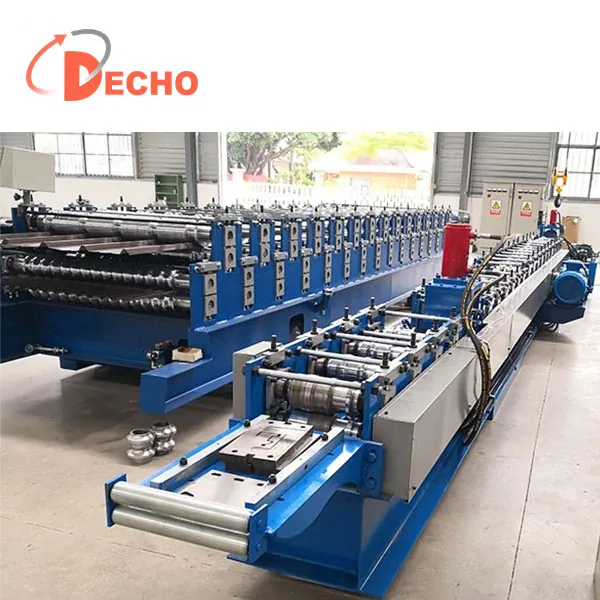
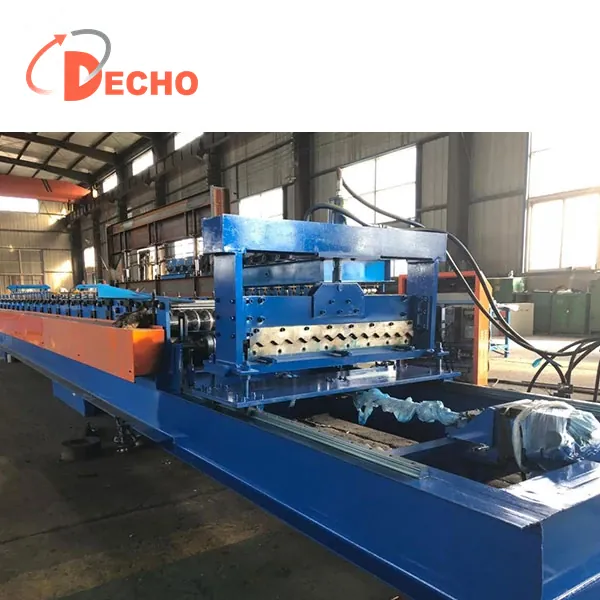
The rollers are the heart of the cold roll - forming machine. Their design and manufacturing quality have a huge impact on the precision of the formed profiles. Each roller in the series has a specific shape and contour that is designed to gradually bend the metal into the desired profile. The rollers need to be machined with high precision to ensure that the metal is deformed accurately.
For instance, if the surface of the roller has any irregularities, it can leave marks on the metal strip or cause uneven deformation. Also, the alignment of the rollers is crucial. If the rollers are not properly aligned, the metal strip may not move through the machine smoothly, leading to inaccurate profiles. So, invest in high - quality rollers and have them regularly maintained and inspected.
3. Machine Calibration
Regular machine calibration is a must for improving the precision of cold roll forming. Over time, the components of the cold roll - forming machine can wear out or get misaligned due to continuous use. This can affect the accuracy of the forming process. Calibration involves checking and adjusting various parameters of the machine, such as the roller speed, pressure, and alignment.
For example, if the roller speed is too high, the metal may not have enough time to deform properly, resulting in a less - precise profile. On the other hand, if the pressure applied by the rollers is not consistent, it can cause uneven bending of the metal. So, set up a regular calibration schedule and use accurate measuring tools to ensure that all the machine parameters are within the specified range.
4. Process Control
Controlling the cold roll - forming process is essential for achieving high precision. This includes monitoring the temperature, speed, and tension of the metal strip during the forming process. The temperature of the metal can affect its ductility. If the metal is too cold, it may crack during the forming process, while if it's too hot, it can deform too easily and lose its shape.
The speed of the metal strip moving through the machine also needs to be carefully controlled. A consistent speed helps to ensure uniform deformation of the metal. Additionally, maintaining the right tension on the metal strip is important. If the tension is too high, it can cause the metal to stretch or break, and if it's too low, the metal may not move through the machine properly.
5. Operator Training
Even with the best machines and materials, the precision of cold roll forming can be affected by the skills and knowledge of the operators. Well - trained operators can identify and address issues quickly during the production process. They know how to adjust the machine settings, handle different types of materials, and troubleshoot common problems.
Provide comprehensive training to your operators on the cold roll - forming process, machine operation, and quality control. Encourage them to share their experiences and ideas for improving the process. A skilled and motivated operator can make a big difference in the precision of the final product.
6. Use of Advanced Technology
In today's digital age, there are many advanced technologies that can help improve the precision of cold roll forming. For example, using sensors and automation systems can provide real - time data on the process parameters. These sensors can detect any deviations from the set parameters and automatically adjust the machine settings to correct them.
Another technology is computer - aided design (CAD) and computer - aided manufacturing (CAM). CAD allows you to design the profiles with high precision, and CAM can be used to program the cold roll - forming machine to produce the profiles accurately. These technologies can reduce human error and improve the overall efficiency and precision of the cold roll - forming process.
7. Quality Inspection
Regular quality inspection is the final step in ensuring the precision of cold roll - formed profiles. Use measuring tools such as calipers, micrometers, and coordinate measuring machines (CMMs) to check the dimensions of the formed profiles. Compare the measured dimensions with the design specifications to identify any deviations.
If any non - conformities are found, analyze the root cause and take corrective actions. This could involve adjusting the machine settings, replacing worn - out components, or improving the raw material quality. By catching and correcting issues early, you can prevent the production of defective products and improve the overall precision of your cold roll - forming process.
Related Machines
If you're in the market for cold roll - forming machines, we offer a range of high - quality machines. Check out our Corrugated Forming Machine, which is designed to produce corrugated profiles with high precision. Our Roof And Wall Panel Roll Forming Machine is perfect for creating precise roof and wall panels. And if you need to manufacture cable trays, our Cable Tray Manufacturing Machine can help you achieve high - precision results.
In conclusion, improving the precision of cold roll forming requires a combination of high - quality raw materials, well - designed rollers, regular machine calibration, strict process control, trained operators, advanced technology, and thorough quality inspection. By implementing these strategies, you can enhance the quality of your cold roll - formed profiles and meet the demanding requirements of your customers.
If you're interested in our cold roll - forming machines or have any questions about improving the precision of cold roll forming, don't hesitate to get in touch. We're here to help you take your cold roll - forming operations to the next level.
References
- Smith, J. (2018). Cold Roll Forming Technology: Principles and Applications. Industrial Press Inc.
- Jones, A. (2020). Precision Manufacturing in Cold Roll Forming. Journal of Manufacturing Science and Engineering.