As a prominent supplier of Z Purlin Forming Machines, I understand the critical importance of quality inspection standards for the products formed by these machines. Z purlins are widely used in construction, especially in steel structures, to provide support and stability. Ensuring that the formed Z purlins meet high - quality standards is not only crucial for the performance of the final construction but also for our reputation as a reliable supplier.
Dimensional Accuracy
One of the primary quality inspection standards for Z purlins is dimensional accuracy. The length, width, height, and thickness of the Z purlins must adhere to the specified design requirements. Any deviation from the standard dimensions can lead to problems during installation and may compromise the structural integrity of the building.
Length
The length of the Z purlin should be measured precisely. A tolerance of ± 2mm is generally acceptable in most cases. This can be measured using a calibrated measuring tape or a laser measuring device. For example, if the design calls for a Z purlin of 6 meters in length, the actual length should be within the range of 5.998m to 6.002m.
Width and Height
The width and height of the Z purlin cross - section are equally important. These dimensions determine the load - bearing capacity of the purlin. A deviation of ± 0.5mm in width and height is often considered acceptable. Specialized calipers or micrometers can be used to measure these dimensions accurately.
Thickness
The thickness of the Z purlin is a critical factor as it directly affects its strength. The thickness should be measured at multiple points along the length and width of the purlin. A tolerance of ± 0.1mm is typically allowed. Ultrasonic thickness gauges are commonly used to measure the thickness of the metal sheet used to form the Z purlin.
Surface Quality
The surface quality of the Z purlins is another important aspect of quality inspection. A smooth and defect - free surface not only enhances the aesthetic appearance but also prevents corrosion and damage.
Smoothness
The surface of the Z purlin should be smooth to the touch, without any visible bumps, ridges, or unevenness. A surface roughness tester can be used to measure the smoothness of the surface. The maximum allowable surface roughness (Ra) is usually around 6.3μm.
Defects
There should be no cracks, scratches, or holes on the surface of the Z purlin. Cracks can significantly reduce the strength of the purlin, while scratches and holes can act as starting points for corrosion. Visual inspection is the primary method for detecting these defects, and any defective purlins should be rejected.
Coating Quality
If the Z purlin is coated, the quality of the coating is also an important consideration. The coating should be evenly applied, with a consistent thickness. The adhesion of the coating to the metal surface should be strong, and there should be no peeling or blistering. A cross - cut test can be used to evaluate the adhesion of the coating.
Geometric Shape
The geometric shape of the Z purlin is crucial for its proper installation and performance. The purlin should have a uniform shape along its entire length, without any twists or bends.
Straightness
The Z purlin should be straight, with a maximum deviation of ± 1mm per meter of length. A straightedge can be used to check the straightness of the purlin. Any purlins with excessive deviation should be straightened or rejected.
Twisting
Twisting is another common defect in Z purlins. The maximum allowable twist is usually 1° per meter of length. Specialized fixtures can be used to measure the twist of the purlin.
Material Quality
The quality of the material used to form the Z purlin is fundamental to its overall quality. The material should have the appropriate chemical composition and mechanical properties.
Chemical Composition
The chemical composition of the metal sheet used to form the Z purlin should meet the specified standards. For example, the carbon content, manganese content, and other alloying elements should be within the defined ranges. Spectroscopic analysis can be used to determine the chemical composition of the material.
Mechanical Properties
The mechanical properties of the Z purlin, such as yield strength, tensile strength, and elongation, should also meet the design requirements. Tensile tests can be conducted on samples taken from the formed purlins to measure these properties. The yield strength of the Z purlin should typically be above 235MPa, and the tensile strength should be above 370MPa.
Testing and Certification
To ensure that the Z purlins meet the quality inspection standards, various testing methods are employed. In addition to the in - house testing, third - party certification can also be obtained to provide an independent verification of the product quality.
In - house Testing
Our company conducts a series of in - house tests on the Z purlins formed by our Z Purlin Forming Machines. These tests include dimensional measurement, surface inspection, and mechanical property testing. Our quality control team is equipped with advanced testing equipment and follows strict testing procedures to ensure the accuracy and reliability of the test results.
Third - Party Certification
We also encourage our customers to request third - party certification for the Z purlins. Third - party certification bodies, such as SGS or BV, can conduct independent tests and issue certification reports. This certification can provide additional assurance to the customers about the quality of the products.
Related Products
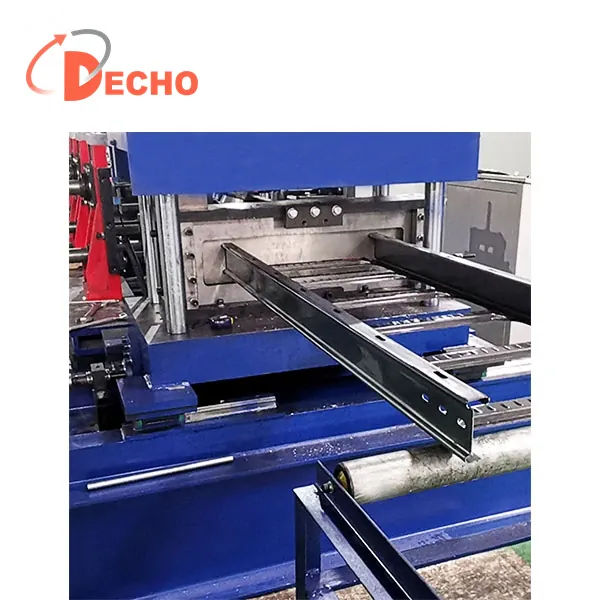
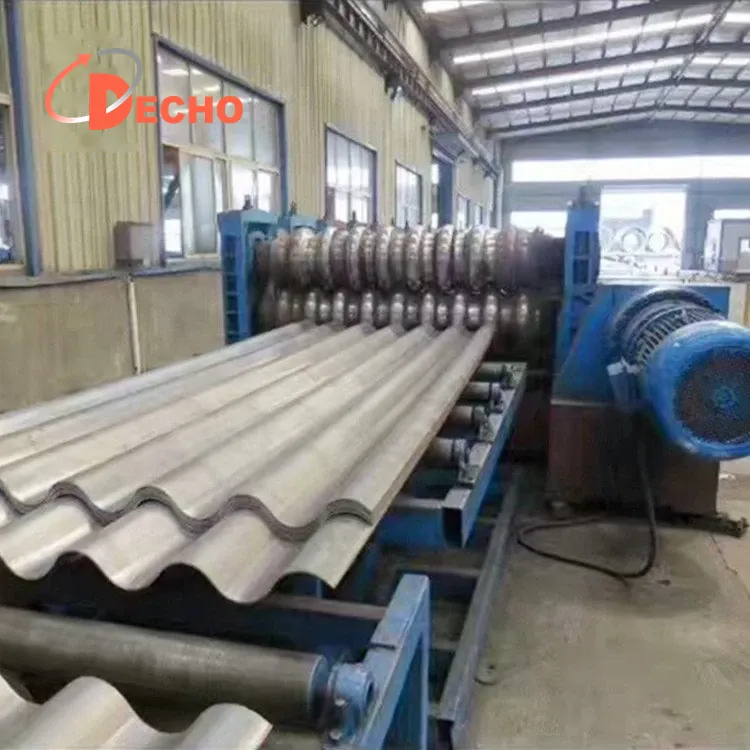
In addition to Z Purlin Forming Machines, we also offer other high - quality roll - forming machines, such as Silo Roll Forming Machine, Cable Tray Making Machine, and Corrugated Roof Sheet Making Machine. These machines are designed to produce high - quality products with strict quality control.
Conclusion
As a supplier of Z Purlin Forming Machines, we are committed to providing our customers with high - quality Z purlins that meet the strictest quality inspection standards. By ensuring dimensional accuracy, surface quality, geometric shape, and material quality, we can guarantee the performance and reliability of our products. If you are interested in our Z Purlin Forming Machines or the products formed by them, please feel free to contact us for further information and to start a procurement negotiation.
References
- ASTM International. (20XX). Standard specifications for steel sheets, zinc - coated (galvanized) or zinc - iron alloy - coated (galvannealed) by the hot - dip process.
- ISO. (20XX). International standards for metal materials testing.
- Construction Industry Research and Information Association. (20XX). Guidelines for the use of Z purlins in steel structures.