Hey there! As a supplier of Metal Sheet Making Machines, I've seen firsthand how crucial it is to maintain the cutting tools in these machines. Not only does proper maintenance ensure the quality of your metal sheets, but it also extends the lifespan of your equipment and saves you money in the long run. In this blog post, I'll share some tips on how to maintain the cutting tools in a metal sheet making machine.
Understanding Your Cutting Tools
Before we dive into maintenance tips, let's take a quick look at the different types of cutting tools used in metal sheet making machines. The most common types include:
- Shearing Blades: These are used to cut straight lines in metal sheets. They come in various shapes and sizes, depending on the thickness and type of metal being cut.
- Punching Dies: Punching dies are used to create holes or shapes in metal sheets. They can be customized to produce a wide range of hole sizes and shapes.
- Slitting Knives: Slitting knives are used to cut metal sheets into narrower strips. They are commonly used in the production of roofing, siding, and other metal products.
Each type of cutting tool has its own unique maintenance requirements, so it's important to understand the specific needs of your equipment.
Regular Cleaning
One of the most important steps in maintaining your cutting tools is regular cleaning. Over time, metal shavings, debris, and lubricants can build up on the cutting edges, which can affect the performance of your tools and lead to premature wear.
To clean your cutting tools, start by removing any loose debris with a brush or compressed air. Then, use a clean cloth or paper towel to wipe down the cutting edges. For stubborn dirt or grease, you can use a mild cleaning solution or solvent. Just make sure to follow the manufacturer's instructions and avoid using harsh chemicals that could damage the tools.
Lubrication
Proper lubrication is essential for the smooth operation of your cutting tools. Lubricants help to reduce friction, prevent corrosion, and extend the lifespan of your equipment.
When choosing a lubricant for your cutting tools, it's important to select a product that is specifically designed for metalworking applications. Look for a lubricant that offers good adhesion, high film strength, and excellent anti-wear properties.
To apply the lubricant, use a brush or spray bottle to evenly coat the cutting edges. Make sure to cover all surfaces, including the sides and tips of the tools. For best results, apply the lubricant before each use and reapply as needed during extended periods of operation.
Inspection and Sharpening
Regular inspection and sharpening are key to maintaining the performance of your cutting tools. Over time, the cutting edges will become dull and worn, which can affect the quality of your cuts and increase the risk of tool failure.
To inspect your cutting tools, look for signs of wear, such as chipping, cracking, or excessive dullness. If you notice any of these issues, it's important to replace the tool or have it sharpened as soon as possible.
Sharpening your cutting tools is a delicate process that requires the use of specialized equipment and techniques. If you're not comfortable sharpening your tools yourself, it's best to take them to a professional sharpening service. They have the expertise and equipment to ensure that your tools are sharpened to the correct specifications and that they perform at their best.
Storage
Proper storage is also important for maintaining the quality of your cutting tools. When not in use, store your tools in a clean, dry place to prevent rust and corrosion. You can use a toolbox, cabinet, or rack to keep your tools organized and protected.
If you're storing your tools for an extended period of time, it's a good idea to apply a light coat of oil or grease to the cutting edges to prevent rust. You can also wrap the tools in a protective material, such as plastic or paper, to further protect them from damage.
Training and Safety
Finally, it's important to provide proper training to your employees on how to use and maintain your cutting tools safely. Make sure they understand the importance of following the manufacturer's instructions, using the correct tools and equipment, and wearing appropriate personal protective equipment (PPE).
In addition, it's important to have a safety plan in place in case of an accident or injury. Make sure your employees know how to respond to emergencies and have access to first aid supplies and equipment.
Conclusion
Maintaining the cutting tools in your metal sheet making machine is essential for ensuring the quality of your products, extending the lifespan of your equipment, and saving you money in the long run. By following these tips, you can keep your cutting tools in top condition and ensure that they perform at their best.
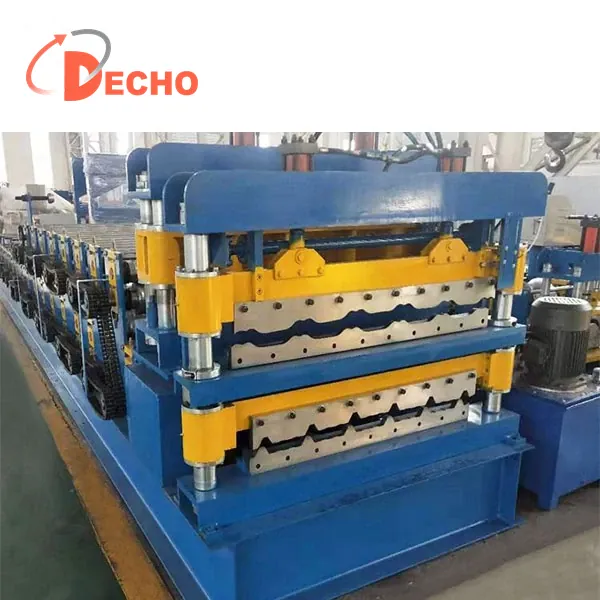
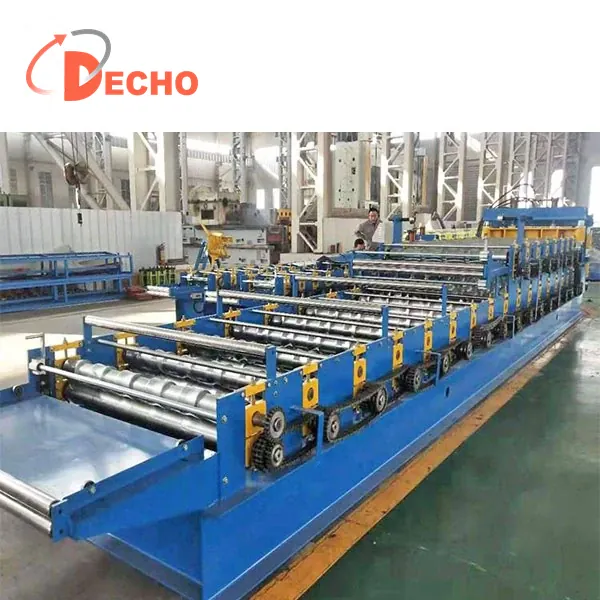
If you're in the market for a new metal sheet making machine, be sure to check out our Duplex Roll Forming Machine, Double Layer Roll Forming Machine, and Metal Siding Roll Forming Machine. We offer a wide range of high-quality machines that are designed to meet the needs of businesses of all sizes.
If you have any questions or would like to learn more about our products, please don't hesitate to contact us. We're here to help you find the right solution for your metal sheet making needs.
References
- "Cutting Tool Maintenance Guide," Manufacturer's Manual
- "Metalworking Lubricants: A Guide to Selection and Use," Industry Publication
- "Safety Guidelines for Metal Sheet Making Machines," Occupational Safety and Health Administration (OSHA)