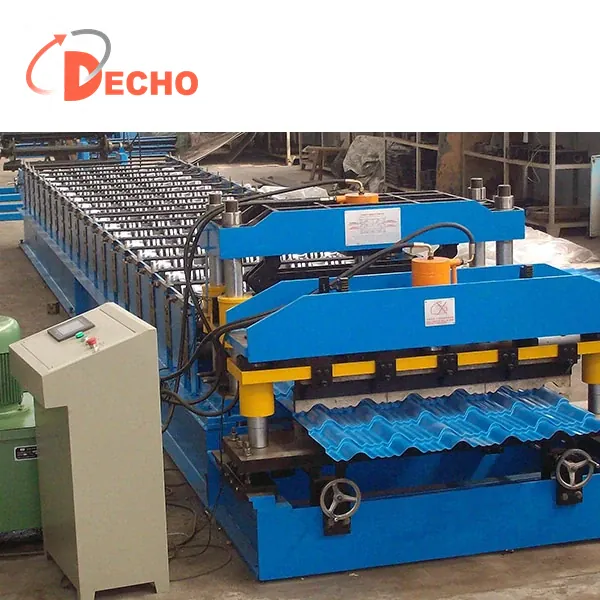
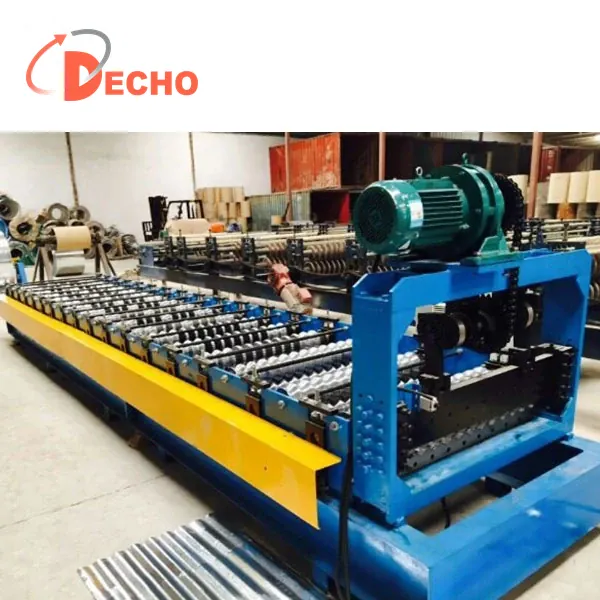
Roll forming machines are essential equipment in the metalworking industry, used for shaping metal sheets into various profiles such as corrugated sheets, roof panels, and angle steels. Proper lubrication is crucial for the smooth operation, longevity, and performance of these machines. As a trusted roll forming machine supplier, I'm here to share some valuable insights on how to lubricate a roll forming machine effectively.
Understanding the Importance of Lubrication
Lubrication plays a vital role in the operation of a roll forming machine. It reduces friction between moving parts, such as rolls, gears, and bearings, which helps to prevent wear and tear, minimize heat generation, and extend the lifespan of the machine. Additionally, proper lubrication can improve the quality of the formed products by reducing surface defects and ensuring consistent material flow.
Types of Lubricants
There are several types of lubricants available for roll forming machines, each with its own characteristics and applications. The most common types include:
- Mineral Oil-based Lubricants: These are the most widely used lubricants for roll forming machines. They offer good lubrication properties, are relatively inexpensive, and are suitable for a wide range of operating conditions.
- Synthetic Lubricants: Synthetic lubricants are formulated with advanced chemical compounds that provide superior performance compared to mineral oil-based lubricants. They offer better high-temperature stability, oxidation resistance, and wear protection, making them ideal for high-speed and heavy-duty applications.
- Greases: Greases are semi-solid lubricants that are commonly used for lubricating bearings and other components that require long-term lubrication. They offer excellent adhesion and sealing properties, which help to prevent contaminants from entering the lubricated parts.
Lubrication Points
Before lubricating a roll forming machine, it's important to identify the lubrication points. These typically include:
- Rolls: The rolls are the most critical components of a roll forming machine, and they require regular lubrication to ensure smooth operation and prevent wear. Lubricate the rolls using a suitable lubricant, such as a mineral oil-based lubricant or a synthetic lubricant, and apply it evenly to the roll surfaces.
- Gears and Chains: Gears and chains are used to transmit power from the motor to the rolls. They require regular lubrication to reduce friction and wear. Use a high-quality gear oil or chain lubricant to lubricate the gears and chains, and follow the manufacturer's recommendations for the frequency of lubrication.
- Bearings: Bearings are used to support the rolls and other rotating components. They require proper lubrication to prevent excessive heat generation and premature failure. Use a suitable bearing grease or oil to lubricate the bearings, and ensure that the lubricant is applied in the correct quantity.
- Guide Rails and Slides: Guide rails and slides are used to guide the metal sheets through the roll forming machine. They require lubrication to reduce friction and ensure smooth movement. Use a lubricant that is specifically designed for guide rails and slides, and apply it evenly to the surfaces.
Lubrication Procedure
The following steps outline a general lubrication procedure for a roll forming machine:
- Prepare the Machine: Before lubricating the machine, ensure that it is turned off and that the power supply is disconnected. Clean the lubrication points using a clean cloth or a brush to remove any dirt, debris, or old lubricant.
- Select the Lubricant: Choose a lubricant that is suitable for the specific application and operating conditions of the roll forming machine. Refer to the manufacturer's recommendations or consult with a lubrication expert if you're unsure which lubricant to use.
- Apply the Lubricant: Use a suitable lubrication tool, such as a grease gun, oil can, or spray bottle, to apply the lubricant to the lubrication points. Apply the lubricant evenly and in the correct quantity, following the manufacturer's recommendations.
- Check for Proper Lubrication: After applying the lubricant, check the lubrication points to ensure that the lubricant has been applied evenly and that there are no signs of over-lubrication or under-lubrication. Wipe off any excess lubricant using a clean cloth.
- Run the Machine: Once the lubrication is complete, reconnect the power supply and turn on the machine. Run the machine for a few minutes to allow the lubricant to distribute evenly throughout the lubricated parts.
Frequency of Lubrication
The frequency of lubrication depends on several factors, including the type of roll forming machine, the operating conditions, and the type of lubricant used. In general, it's recommended to lubricate the machine at regular intervals, such as daily, weekly, or monthly, depending on the manufacturer's recommendations. However, it's important to monitor the machine's performance and lubrication levels regularly and adjust the lubrication frequency as needed.
Tips for Effective Lubrication
Here are some additional tips to help you lubricate your roll forming machine effectively:
- Follow the Manufacturer's Recommendations: Always follow the manufacturer's recommendations for lubrication, including the type of lubricant, the lubrication points, and the frequency of lubrication.
- Use High-Quality Lubricants: Using high-quality lubricants can help to improve the performance and longevity of your roll forming machine. Avoid using cheap or low-quality lubricants, as they may not provide adequate lubrication and may cause damage to the machine.
- Keep the Machine Clean: Keeping the machine clean is essential for effective lubrication. Regularly clean the lubrication points and the surrounding areas to remove any dirt, debris, or contaminants that may affect the lubrication performance.
- Monitor the Lubrication Levels: Regularly monitor the lubrication levels of the machine to ensure that the lubricant is being applied in the correct quantity. Check the lubrication levels before and after each shift, and refill the lubricant as needed.
- Train Your Operators: Proper training of your operators is essential for effective lubrication. Make sure that your operators understand the importance of lubrication, the lubrication procedure, and the safety precautions to be taken when lubricating the machine.
Conclusion
Proper lubrication is essential for the smooth operation, longevity, and performance of a roll forming machine. By following the tips and guidelines outlined in this blog post, you can ensure that your roll forming machine is properly lubricated and that it operates at its best. As a roll forming machine supplier, we offer a wide range of high-quality roll forming machines, including Corrugated Roll Forming Machine, Roof Roll Forming Machine, and Angle Forming Machine. If you have any questions or need further assistance with lubricating your roll forming machine, please don't hesitate to contact us. We're here to help you find the best solution for your needs.
References
- Machinery's Handbook, 31st Edition
- Lubrication Engineering Handbook, 2nd Edition
- Roll Forming Technology Handbook