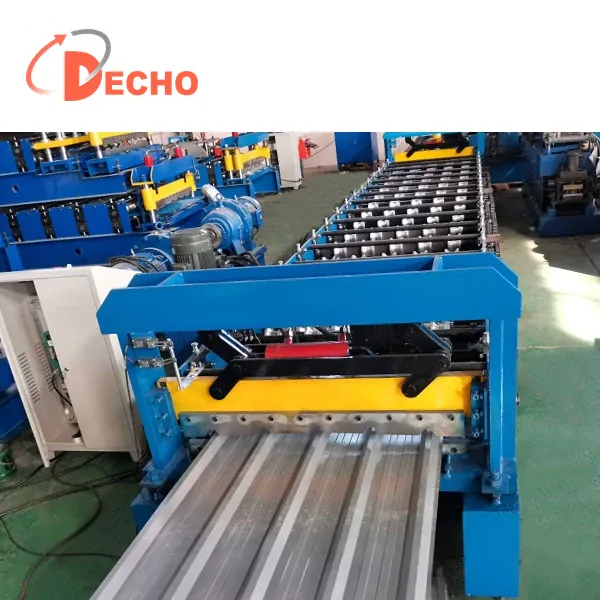
In the world of construction and metalworking, deck roll forming machines have become a staple for producing high - quality decking materials. As a supplier of deck roll forming machines, I have witnessed firsthand the numerous advantages these machines offer, such as high efficiency, precision, and the ability to create consistent profiles. However, it is important to also shed light on the disadvantages associated with using a deck roll forming machine. Understanding these drawbacks can help potential buyers make more informed decisions when considering investing in such equipment.
High Initial Investment
One of the most significant disadvantages of a deck roll forming machine is the high initial investment required. These machines are complex pieces of equipment that incorporate advanced technology and high - quality components. The cost of purchasing a deck roll forming machine can range from tens of thousands to hundreds of thousands of dollars, depending on the machine's size, capabilities, and level of automation.
For small - scale metalworking shops or start - up construction companies, this large upfront cost can be a major barrier to entry. It may require securing significant financing or taking on debt, which can put a strain on the company's finances. Moreover, in addition to the purchase price, there are also costs associated with shipping, installation, and training. All these expenses add up, making it a substantial financial commitment.
Limited Flexibility in Profile Changes
Deck roll forming machines are designed to produce specific deck profiles. Once the machine is set up to form a particular profile, changing to a different profile can be a time - consuming and costly process. This lack of flexibility can be a problem for businesses that need to produce a variety of deck profiles to meet different customer demands.
To change the profile, the machine often requires significant retooling. This may involve replacing the roll sets, adjusting the guides, and recalibrating the machine. The retooling process can take several hours to days, depending on the complexity of the profile change. During this time, the machine is out of production, leading to lost productivity and potential revenue. Additionally, the cost of purchasing new roll sets for different profiles can be quite high, further adding to the overall cost of production.
Maintenance Requirements
Deck roll forming machines are subject to wear and tear due to the continuous operation and the high - pressure forming process. Regular maintenance is essential to ensure the machine's optimal performance and longevity. However, the maintenance requirements of these machines can be quite demanding.
The roll sets, which are the key components of the machine, need to be regularly inspected and replaced when they show signs of wear. The lubrication system also requires regular attention to prevent friction and ensure smooth operation. In addition, other parts such as the drive system, electrical components, and hydraulic system need to be maintained and serviced on a regular basis.
Performing maintenance tasks often requires specialized skills and knowledge. Many businesses may need to hire professional technicians or send their employees for specialized training. This adds to the cost of operating the machine. Moreover, if maintenance is not carried out properly or on time, it can lead to breakdowns, which can result in costly repairs and production downtime.
Space Requirements
Deck roll forming machines are typically large and bulky pieces of equipment. They require a significant amount of floor space in a factory or workshop. This can be a problem for businesses with limited space or those looking to expand their production capacity without increasing their floor area.
In addition to the space occupied by the machine itself, there also needs to be sufficient space for material handling, such as loading and unloading raw materials and finished products. This means that a larger area is needed to ensure smooth and efficient operation of the machine. For businesses located in urban areas or areas with high real - estate costs, the need for a large amount of space can be a significant disadvantage.
Noise and Vibration
During the operation of a deck roll forming machine, there is often a significant amount of noise and vibration. The high - pressure forming process and the movement of the machine's components generate loud noises that can be a nuisance to workers and nearby residents.
Exposure to high - level noise for an extended period can cause hearing damage to workers. To protect the workers' health, businesses need to provide appropriate hearing protection equipment, such as earplugs or earmuffs. However, this is not a complete solution, as it can still be uncomfortable for workers and may affect their communication and productivity.
The vibration generated by the machine can also have an impact on the surrounding environment. It can cause damage to the building structure over time and may also affect the accuracy of other sensitive equipment in the vicinity. To reduce the impact of vibration, special vibration - isolation measures may need to be taken, which can add to the overall cost of the installation.
Dependency on Skilled Labor
Operating a deck roll forming machine requires a certain level of skill and expertise. Workers need to be trained to set up the machine, adjust the parameters, and troubleshoot problems. Finding and retaining skilled labor can be a challenge for many businesses.
In the current labor market, there is a shortage of workers with the necessary skills and experience in operating roll forming machines. This can lead to difficulties in hiring and training new employees. Moreover, skilled workers often demand higher wages, which increases the labor cost for businesses.
If a business loses a skilled worker, it can take time to train a new employee to reach the same level of proficiency. During this transition period, the machine's performance and productivity may be affected.
Environmental Impact
Deck roll forming machines consume a significant amount of energy during operation. The high - power motors and other electrical components require a large amount of electricity to run. This not only increases the operating cost but also has an environmental impact.
In addition, the production of decking materials using roll forming machines often involves the use of metal coils, which are usually made from non - renewable resources. The extraction and processing of these metals have a significant environmental footprint, including deforestation, water pollution, and greenhouse gas emissions.
As the world becomes more environmentally conscious, businesses are under increasing pressure to reduce their environmental impact. Using a deck roll forming machine may pose challenges for businesses looking to meet environmental regulations and sustainability goals.
Competing with Alternative Technologies
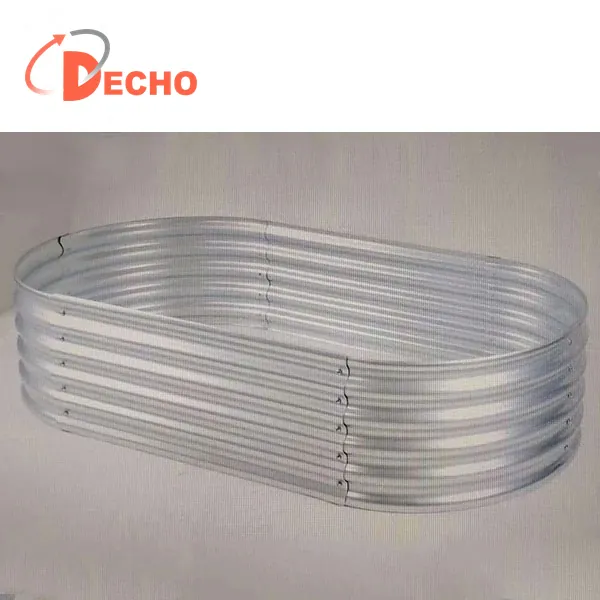
There are alternative technologies available for producing decking materials, such as Corrugated Sheet Making Machine and Metal Roof Forming Machine. These alternative machines may offer certain advantages over deck roll forming machines in some aspects.
For example, some alternative machines may be more flexible in producing different profiles or may have a lower initial investment. They may also be more suitable for small - scale production or for producing specialized decking materials. This means that deck roll forming machines face competition from these alternative technologies, which can affect their market share and the demand for them.
Market Saturation and Competition
The market for deck roll forming machines has become increasingly saturated in recent years. There are many suppliers, including Chinese Roll Forming Machine manufacturers, offering a wide range of machines at different price points. This intense competition can be a disadvantage for both suppliers and buyers.
For suppliers, it means having to compete on price, quality, and after - sales service. This can put pressure on profit margins and make it difficult to differentiate their products from competitors. For buyers, while they may have more options to choose from, it also means that they need to spend more time and effort researching and comparing different machines to find the best one for their needs.
Despite these disadvantages, deck roll forming machines still have many advantages and are widely used in the construction and metalworking industries. If you are considering purchasing a deck roll forming machine, it is important to carefully weigh the pros and cons. We, as a supplier, are committed to providing high - quality machines and excellent after - sales service. If you have any questions or are interested in our products, please feel free to contact us for more information and to discuss your specific requirements. We look forward to the opportunity to work with you and help you make the best decision for your business.
References
- "Roll Forming Technology Handbook" by Peter Ulintz
- Industry reports on metalworking and construction machinery
- Technical manuals of deck roll forming machines from various manufacturers