Optimizing the design of products for a metal roll former is a multifaceted process that involves a deep understanding of both the technical capabilities of the machinery and the market demands for the final products. As a metal roll former supplier, I've witnessed firsthand the transformative impact that well - designed products can have on a business's success. In this blog, I'll share some key strategies and considerations for optimizing the design of products created by a metal roll former.
Understanding the Basics of Metal Roll Forming
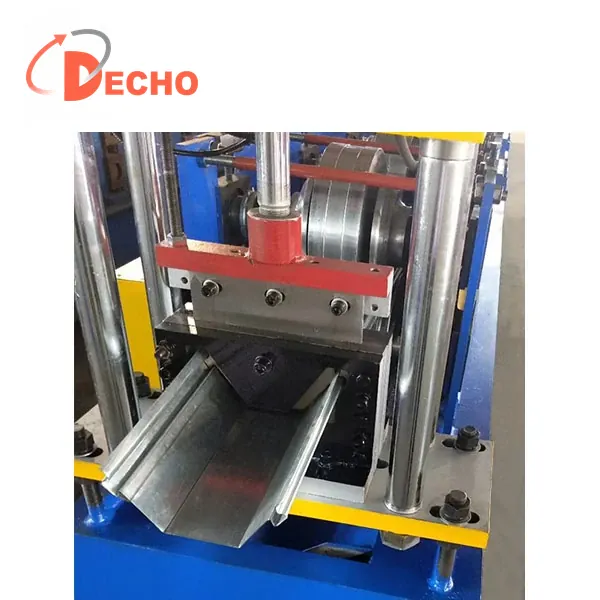
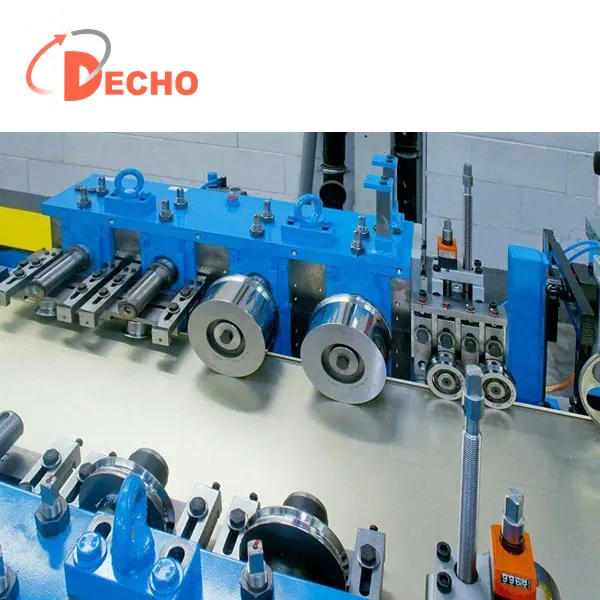
Before delving into product design optimization, it's essential to have a solid grasp of how metal roll forming works. Metal roll forming is a continuous bending operation in which a long strip of metal, typically coiled steel, is passed through consecutive sets of rolls, each performing an incremental part of the bend, until the desired cross - sectional shape is obtained. This process is highly efficient for producing long lengths of metal profiles with consistent cross - sections, such as those used in construction, automotive, and manufacturing industries.
Market Research and Customer Needs
The first step in optimizing product design is to conduct thorough market research. This involves identifying the target market, understanding customer needs and preferences, and analyzing competitors' products. For example, if you're targeting the construction industry, you might find that there's a growing demand for lightweight yet strong metal profiles for use in building facades. By understanding these market trends, you can design products that meet or exceed customer expectations.
In addition to market trends, it's also important to consider the specific requirements of your customers. Some customers may prioritize cost - effectiveness, while others may value durability and aesthetics. By tailoring your product design to meet these diverse needs, you can increase the appeal of your products in the market.
Material Selection
The choice of material is a critical factor in product design optimization. Different metals have different properties, such as strength, corrosion resistance, and formability. For example, stainless steel is known for its excellent corrosion resistance, making it a popular choice for outdoor applications like Rolling Shutter Making Machine. On the other hand, aluminum is lightweight and easy to form, making it suitable for applications where weight is a concern, such as in the automotive industry.
When selecting a material, you also need to consider its compatibility with the roll - forming process. Some metals may require special lubricants or tooling to achieve the desired shape without cracking or wrinkling. Working closely with material suppliers can help you choose the most appropriate material for your product design.
Design for Manufacturability
Design for manufacturability (DFM) is a key principle in optimizing product design for a metal roll former. This involves designing products in a way that makes them easy and cost - effective to manufacture. For example, avoiding sharp corners and complex geometries can reduce the number of roll - forming passes required and minimize tool wear.
Another aspect of DFM is considering the length and width of the metal strip. Longer strips can be more efficient to process, but they may also require larger storage and handling facilities. By optimizing the strip length and width, you can improve the overall efficiency of the roll - forming process.
Tooling Design
The design of the roll - forming tooling has a significant impact on the quality and efficiency of the product. High - quality tooling can produce precise and consistent shapes, while poorly designed tooling can lead to defects such as uneven bends or surface scratches.
When designing tooling, it's important to consider factors such as the material of the rolls, the number of roll stands, and the profile of the rolls. For example, using hardened steel rolls can increase the durability of the tooling, while optimizing the roll profile can ensure a smooth and accurate forming process.
Quality Control
Implementing a rigorous quality control system is essential for ensuring that the products meet the desired standards. This includes inspecting the raw materials before they enter the roll - forming process, monitoring the process parameters during production, and conducting final inspections of the finished products.
Quality control measures can include dimensional checks, surface finish inspections, and mechanical property testing. By detecting and correcting any defects early in the production process, you can reduce waste and improve customer satisfaction.
Product Customization
In today's market, customers often demand customized products to meet their specific needs. As a metal roll former supplier, offering product customization can give you a competitive edge. This can involve creating unique profiles, adding special features, or using custom - colored coatings.
However, product customization also presents challenges in terms of design and manufacturing. It's important to have a flexible production system that can accommodate different product designs without sacrificing efficiency. By working closely with customers to understand their requirements, you can develop customized solutions that meet their needs while maintaining high - quality standards.
Sustainability
Sustainability is becoming an increasingly important consideration in product design. Customers are more conscious of the environmental impact of the products they purchase, and many are looking for eco - friendly options. As a metal roll former supplier, you can optimize your product design by using recycled materials, reducing waste during the manufacturing process, and designing products that are easy to recycle at the end of their life cycle.
For example, using recycled steel in your products can significantly reduce the energy consumption and carbon emissions associated with the production process. Additionally, designing products with modular components can make them easier to disassemble and recycle.
Testing and Validation
Before launching a new product design, it's important to conduct thorough testing and validation. This can involve physical testing of prototypes to ensure that they meet the desired performance criteria, as well as computer - aided simulation to predict the behavior of the product under different conditions.
Testing can include structural testing, fatigue testing, and corrosion testing. By validating the product design through testing, you can identify and address any potential issues before mass production, reducing the risk of product failures and customer complaints.
Continuous Improvement
Product design optimization is an ongoing process. As technology advances and market demands change, it's important to continuously evaluate and improve your product designs. This can involve gathering feedback from customers, analyzing production data, and staying up - to - date with the latest industry trends.
By implementing a culture of continuous improvement, you can ensure that your products remain competitive in the market and meet the evolving needs of your customers.
Conclusion
Optimizing the design of products for a metal roll former requires a comprehensive approach that takes into account market research, material selection, design for manufacturability, tooling design, quality control, product customization, sustainability, testing, and continuous improvement. As a metal roll former supplier, by following these strategies, you can create high - quality, cost - effective, and innovative products that meet the needs of your customers.
If you're interested in learning more about our metal roll - forming products or have specific design requirements, we invite you to reach out to us for a detailed discussion. Our team of experts is ready to assist you in finding the best solutions for your business.
References
- ASM Handbook Volume 14B: Metalworking: Sheet Forming. ASM International.
- Roll Forming Handbook. Precision Roll Forming Association.
- Product Design and Development. Karl T. Ulrich and Steven D. Eppinger. McGraw - Hill Education.