Hey there! As a supplier of Corrugated Forming Machines, I often get asked about the thickness range of materials these machines can process. It's a crucial question, especially for those in the industry looking to invest in the right equipment for their projects. So, let's dive right in and explore this topic in detail.
Understanding the Basics of Corrugated Forming Machines
Before we talk about the thickness range, let's quickly go over what a corrugated forming machine does. Simply put, it's a piece of equipment that takes flat sheets of material and transforms them into corrugated shapes. These corrugated sheets are widely used in various industries, such as construction, packaging, and automotive, due to their increased strength and durability compared to flat sheets.
The Thickness Range
The thickness range of materials that a corrugated forming machine can process can vary quite a bit depending on the machine's design and capabilities. Generally speaking, most standard corrugated forming machines can handle materials with a thickness ranging from 0.15mm to 3mm.
Thin Materials (0.15mm - 0.5mm)
For thin materials in this range, corrugated forming machines are often used in the packaging industry. Think about those cardboard boxes you receive when you order something online. The corrugated cardboard is made by processing thin paper or cardboard sheets through a forming machine. These machines are designed to handle the delicate nature of thin materials without causing any tears or damage. They use precise rollers and forming techniques to create the corrugated shape while maintaining the integrity of the material.
Medium Thickness Materials (0.5mm - 1.5mm)
Materials in the medium thickness range are commonly used in the construction industry for roofing and wall cladding. Corrugated sheets made from these materials provide a good balance between strength and weight. Our corrugated forming machines can easily process materials like galvanized steel, aluminum, and stainless steel in this thickness range. They can create various corrugation profiles, such as trapezoidal and sinusoidal, to meet different architectural requirements.
Thick Materials (1.5mm - 3mm)
When it comes to thick materials, corrugated forming machines are used in more heavy-duty applications. For example, in the automotive industry, corrugated sheets made from thick steel are used for structural components. These machines need to have enough power and precision to bend and shape the thick materials into the desired corrugated form. Our machines are equipped with high-torque motors and robust rollers to handle the challenges of processing thick materials.
Factors Affecting the Thickness Range
Several factors can affect the thickness range that a corrugated forming machine can process. Here are some of the key ones:
Machine Design
The design of the machine plays a crucial role in determining its processing capabilities. Machines with larger and more powerful rollers can generally handle thicker materials. Additionally, the spacing between the rollers and the type of forming mechanism used also impact the thickness range.
Material Type
Different materials have different properties, which can affect how they are processed. For example, softer materials like aluminum are easier to form than harder materials like stainless steel. Our machines are designed to be adjustable to accommodate different material types and thicknesses.
Speed and Efficiency
Processing thicker materials usually requires more time and energy. Therefore, the speed and efficiency of the machine need to be considered when determining the thickness range. Our machines are optimized to provide a good balance between processing speed and the ability to handle different material thicknesses.
Other Related Roll Forming Machines
In addition to corrugated forming machines, we also offer other types of roll forming machines that might be of interest to you. Check out our Silo Roll Forming Machine, which is specifically designed for manufacturing steel silos. It can process materials with a suitable thickness to ensure the structural integrity of the silos.
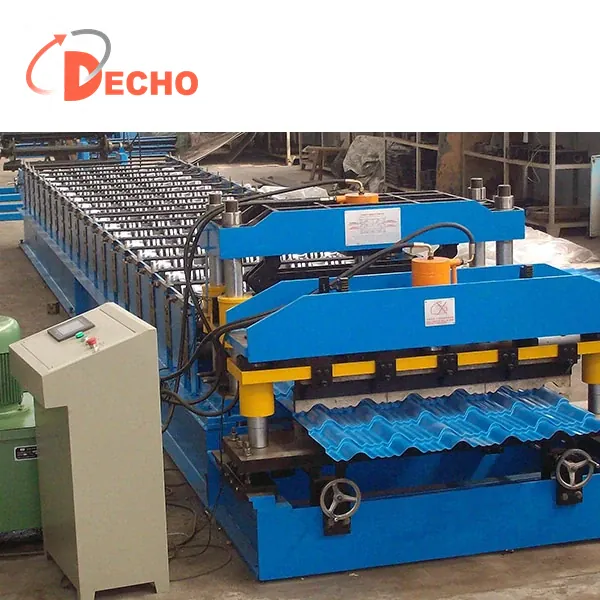
If you're in the market for a machine to produce roofing sheets, our Roof Roll Forming Machine is a great choice. It can create various roof tile profiles from different materials within a certain thickness range.
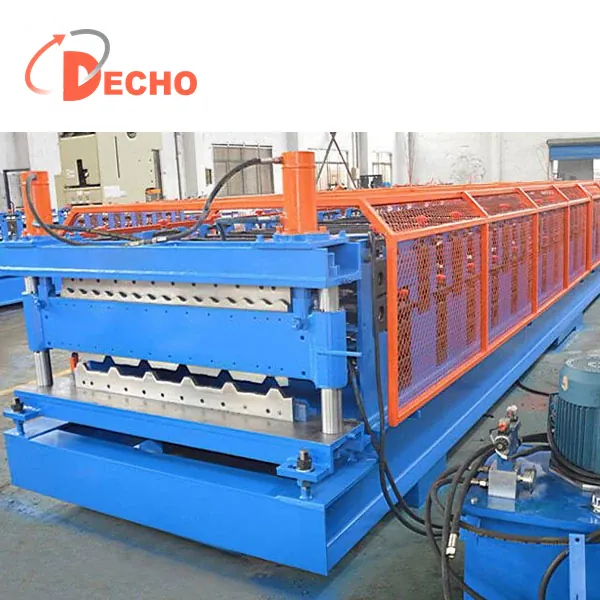
And for those who need to produce two different types of profiles on a single machine, our Double Layer Roll Forming Machine is the solution. It can handle materials of different thicknesses for each layer, providing flexibility and efficiency.
Why Choose Our Corrugated Forming Machines
We take pride in offering high-quality corrugated forming machines that are designed to meet the diverse needs of our customers. Our machines are built with the latest technology and precision engineering to ensure reliable performance and long service life.
We also provide excellent customer support, including installation, training, and after-sales service. Whether you're a small business or a large industrial enterprise, we can help you find the right machine for your specific requirements.
Contact Us for Purchase and Negotiation
If you're interested in our corrugated forming machines or any of our other roll forming machines, don't hesitate to get in touch with us. We're more than happy to discuss your needs, provide detailed product information, and offer competitive pricing. Let's work together to find the perfect solution for your business.
References
- "Roll Forming Technology Handbook" by Peter Ulintz
- Industry reports on corrugated sheet manufacturing and roll forming machines.