Hey there! I'm a supplier of Metal Roofing Roll Formers, and I know how frustrating jams can be in these machines. Jams not only slow down production but can also cause damage to the equipment if not handled properly. So, in this blog, I'm gonna share some tips on how to prevent jams in a metal roofing roll former.
1. Material Preparation
First things first, the quality and preparation of the material you're using play a huge role in preventing jams. Make sure the metal coils you're feeding into the roll former are of good quality. Any defects like rust, dents, or uneven edges can cause the material to get stuck in the machine.
Before loading the coil onto the decoiler, check it carefully. If you find any issues, it's better to replace the coil or try to fix the problem area. Also, ensure that the coil is properly aligned on the decoiler. Misaligned coils can lead to the material not feeding smoothly into the roll former, increasing the risk of jams.
Another important aspect is the width and thickness of the material. Your roll former is designed to handle specific material dimensions. Using materials that are outside of these specifications can cause jams. So, always double - check the material's width and thickness against the machine's requirements.
2. Machine Maintenance
Regular maintenance is key to keeping your metal roofing roll former running smoothly and preventing jams. Start with cleaning. Over time, debris, dust, and metal shavings can accumulate in the machine, especially in the rollers and guides. This buildup can interfere with the material's movement and cause jams.
Clean the rollers and guides regularly using a soft brush and a suitable cleaning agent. Make sure to remove all the dirt and debris. Also, check the lubrication of the machine. Proper lubrication reduces friction between the moving parts, allowing the material to pass through the roll former more easily.
Inspect the rollers for wear and tear. Worn - out rollers can cause the material to grip unevenly, leading to jams. If you notice any signs of excessive wear, replace the rollers as soon as possible. The same goes for the guides. Bent or damaged guides can misalign the material, so keep an eye on them and replace them when needed.
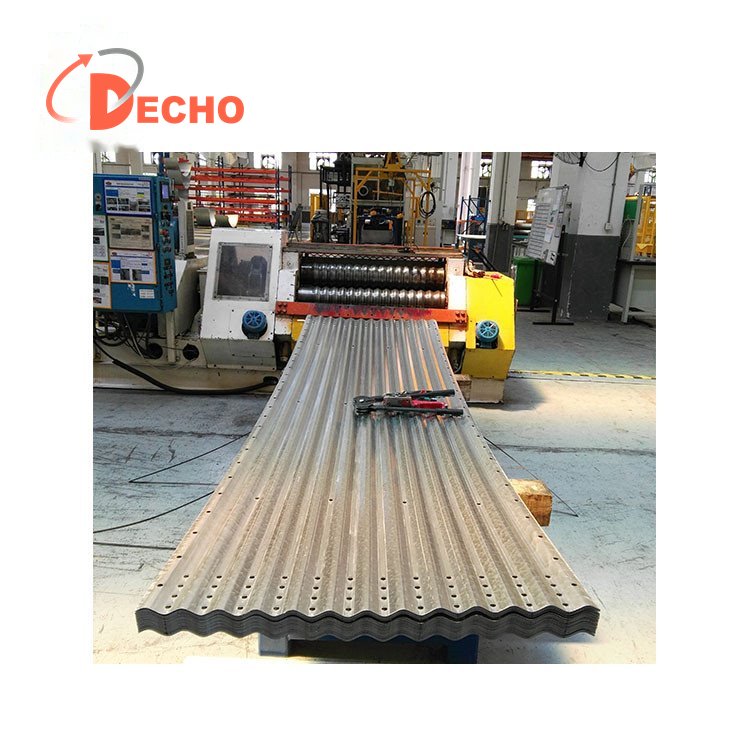
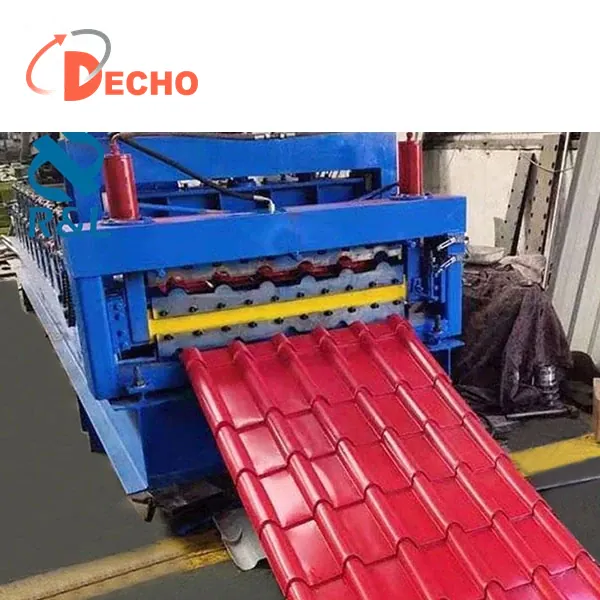
3. Adjusting the Machine Settings
Properly adjusting the machine settings is crucial for preventing jams. The speed of the roll former is an important factor. Running the machine too fast can cause the material to bunch up and jam. On the other hand, running it too slow can be inefficient. You need to find the optimal speed for the type and thickness of the material you're using.
The pressure settings on the rollers also matter. If the pressure is too high, it can cause the material to deform and get stuck. If it's too low, the material may not be properly formed, which can also lead to jams. Adjust the pressure according to the material's specifications and the machine's recommendations.
The alignment of the rollers is another critical setting. Misaligned rollers can cause the material to skew as it passes through the machine, increasing the likelihood of jams. Check the roller alignment regularly and make adjustments as necessary.
4. Operator Training
Having well - trained operators is essential for preventing jams in a metal roofing roll former. Operators should be familiar with the machine's operation, including how to load the material correctly, adjust the settings, and perform basic maintenance tasks.
Provide comprehensive training to your operators. Teach them how to recognize the early signs of a potential jam, such as unusual noises or vibrations. They should also know the proper procedures for clearing jams safely. In case of a jam, improper handling can cause further damage to the machine.
Encourage operators to communicate any issues they notice during the operation of the machine. This can help you address potential problems before they turn into full - blown jams.
5. Using Quality Components
Using high - quality components in your metal roofing roll former can also reduce the risk of jams. For example, investing in good - quality rollers and guides can make a big difference. These components are in direct contact with the material, and their quality affects how smoothly the material moves through the machine.
When it comes to other parts like motors and gears, make sure they are reliable. Faulty motors or gears can cause inconsistent operation, which can lead to jams. So, choose components from reputable manufacturers and replace them when they start to show signs of wear.
Related Machines
If you're in the metal forming industry, you might also be interested in other types of roll - forming machines. For example, the Water Tank Making Machine is great for producing water tanks. It has its own set of features and can help you expand your product range.
The Box Beam Roll Forming Machine is another useful piece of equipment. It's designed to create box beams, which are commonly used in construction and industrial applications.
And if you're looking to make tiles, the Tile Roll Forming Machine can produce high - quality tiles for roofing and other purposes.
Conclusion
Preventing jams in a metal roofing roll former requires a combination of proper material preparation, regular machine maintenance, correct adjustment of machine settings, well - trained operators, and the use of quality components. By following these tips, you can keep your production running smoothly, reduce downtime, and increase the lifespan of your machine.
If you're interested in purchasing a metal roofing roll former or any of the related machines I mentioned, feel free to reach out. We're here to help you with all your metal forming needs. Whether you're a small - scale business or a large industrial operation, we can provide you with the right equipment and support. So, don't hesitate to contact us for more information and to start a procurement discussion.
References
- Metal Forming Handbook: This handbook provides in - depth information on various metal forming processes, including roll forming. It offers insights into machine operation, material selection, and maintenance.
- Manufacturer's Manuals: The manuals provided by the roll former manufacturers are a great source of information. They contain specific details about the machine's operation, settings, and maintenance requirements.
- Industry Journals: Reading industry journals can keep you updated on the latest trends and best practices in metal forming. They often feature articles on preventing machine jams and improving production efficiency.