Cold roll forming is a popular manufacturing process known for its efficiency in producing long, straight metal profiles with a consistent cross - section. However, one persistent challenge that we, as a Cold Roll Forming supplier, often encounter is the deformation of cold roll - formed products. In this blog post, I'll share some strategies on how to prevent such deformation, based on our rich experience in the industry.
Understanding the Causes of Deformation
Before diving into prevention methods, it's crucial to understand why deformation occurs. There are several factors that can lead to the deformation of cold roll - formed products.
-
Improper Material Properties
The characteristics of the raw material play a significant role. If the material has inconsistent thickness, hardness variations, or internal stress, it can cause uneven deformation during the cold roll - forming process. For instance, a steel coil with uneven thickness may result in one side of the formed product being stressed more than the other, leading to bending or twisting. -
Incorrect Roll Design and Alignment
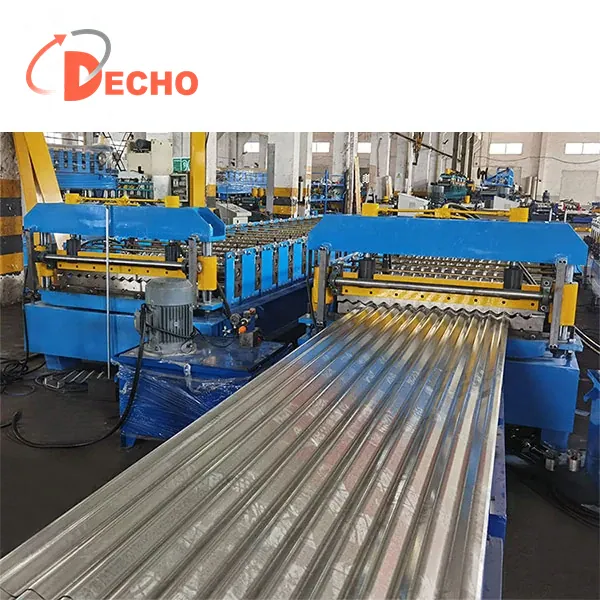
The design of the rolls is at the heart of the cold roll - forming process. If the roll profiles are not accurately designed to match the desired cross - section of the product, it can cause excessive stress concentration in certain areas. Moreover, misaligned rolls can lead to uneven force distribution during the forming process. This can cause the product to warp or twist as it passes through the roll set.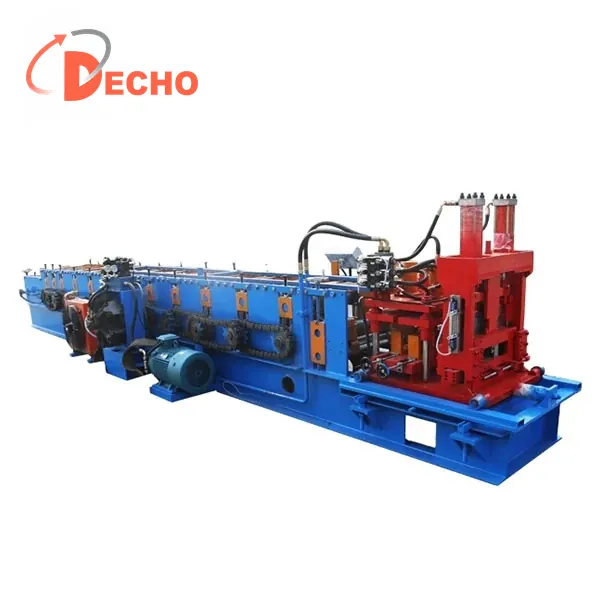
-
Inappropriate Forming Speed
Running the cold roll - forming machine at an improper speed can also cause deformation. If the forming speed is too high, the material may not have enough time to deform evenly around the rolls. On the other hand, if the speed is too low, it can lead to additional stress on the material due to prolonged contact with the rolls. -
Insufficient Post - Forming Treatment
After the cold roll - forming process, the product may have residual stress. Without proper post - forming treatment, such as stress relieving, these residual stresses can cause the product to deform over time, especially when exposed to external factors like temperature changes or mechanical loads.
Preventive Measures
1. Material Selection and Quality Control
- Choose High - Quality Materials: Select materials with consistent thickness, hardness, and minimal internal stress. Conduct thorough quality inspections on incoming raw materials. For example, use ultrasonic testing to detect internal defects in the metal coils.
- Pre - conditioning the Material: Sometimes, pre - heating or annealing the material can help reduce internal stress and improve its formability. This process can make the material more malleable and less prone to cracking or warping during the cold roll - forming process.
2. Optimal Roll Design and Alignment
- Accurate Roll Profile Design: Work with experienced engineers to design rolls that precisely match the desired cross - section of the product. Use advanced CAD/CAM software to ensure the accuracy of the roll profiles. For complex product shapes, perform finite element analysis (FEA) to simulate the forming process and optimize the roll design.
- Regular Roll Alignment Checks: Establish a regular maintenance schedule to check and adjust the alignment of the rolls. Use precision measurement tools, such as laser alignment systems, to ensure that the rolls are correctly positioned. Any misalignment should be corrected immediately to prevent deformation.
3. Proper Forming Speed Control
- Determine the Optimal Speed: Based on the material properties, product design, and machine capabilities, determine the optimal forming speed. Conduct trial runs with different speeds to find the sweet spot where the material deforms smoothly without excessive stress.
- Use Speed - Control Systems: Install advanced speed - control systems on the cold roll - forming machines. These systems can automatically adjust the forming speed based on real - time feedback, ensuring a consistent and proper speed throughout the production process.
4. Effective Post - Forming Treatment
- Stress Relieving: After the cold roll - forming process, subject the products to stress - relieving treatments, such as heat treatment or vibration stress - relieving. Heat treatment involves heating the product to a specific temperature and then slowly cooling it, which helps to reduce residual stress. Vibration stress - relieving uses mechanical vibrations to redistribute the internal stress in the material.
- Straightening and Calibration: Implement straightening and calibration processes to correct any minor deformations that may have occurred during forming. Use specialized straightening machines to ensure that the final products meet the required dimensional accuracy.
Utilizing Advanced Technology and Equipment
In addition to the above preventive measures, leveraging advanced technology and equipment can significantly enhance the quality and reduce deformation in cold roll - formed products.
- Automated Quality Control Systems: Install automated quality control systems, such as vision inspection systems, on the production line. These systems can detect any surface defects, dimensional variations, or deformation in real - time. If a defective product is detected, it can be automatically removed from the production line, preventing it from reaching the customer.
- Advanced Roll Forming Machines: Invest in state - of - the - art cold roll - forming machines that offer greater precision and control. Machines like Sheet Metal Forming Machines and Roll Forming Metal Roofing Machines are designed with advanced features, such as servo - driven systems and programmable logic controllers (PLCs), which allow for more accurate and consistent forming processes.
- Specialty Machines for Specific Shapes: For products with complex shapes, consider using specialty machines like the Z Purlin Forming Machine. These machines are specifically designed to produce certain types of profiles with high precision, reducing the risk of deformation.
Training and Skill Development
The skills and knowledge of the operators also play a crucial role in preventing deformation in cold roll - formed products.
- Operator Training Programs: Provide comprehensive training programs for operators, covering topics such as machine operation, material properties, roll design, and quality control. Regularly update the training content to keep the operators informed about the latest industry trends and best practices.
- Skill Assessment and Certification: Implement skill assessment and certification programs for operators. Certified operators are more likely to operate the machines correctly and take appropriate measures to prevent deformation.
Conclusion
Preventing deformation in cold roll - formed products is a multi - faceted challenge that requires a combination of proper material selection, optimal roll design, appropriate forming speed control, effective post - forming treatment, advanced technology utilization, and well - trained operators. By implementing these strategies, we, as a Cold Roll Forming supplier, can significantly improve the quality of our products and meet the high - standards of our customers.
If you are in the market for high - quality cold roll - formed products and are looking to work with a reliable supplier, we'd love to hear from you. Feel free to reach out to us to discuss your specific requirements and start a profitable business partnership.
References
- Dieter, G.E. (1988). Mechanical Metallurgy. McGraw - Hill.
- Kalpakjian, S., & Schmid, S.R. (2014). Manufacturing Engineering and Technology. Pearson.
- Allwood, J.M., Cullen, J.M., & Milford, R.L. (2010). Sustainable Materials - With Both Eyes Open. UIT Cambridge.