Hey there! As a supplier of Deck Roll Forming Machines, I often get asked about how to select the right mold for these machines. It's a crucial decision that can significantly impact the quality and efficiency of your production. So, let's dive right in and explore the key factors you should consider when choosing a mold for your Deck Roll Forming Machine.
Understanding Your Production Needs
First things first, you need to have a clear understanding of your production requirements. This includes the type of deck profiles you want to produce, the thickness and material of the metal sheets, and the production volume. Different deck profiles have different shapes and dimensions, and the mold needs to be designed accordingly. For example, if you're planning to produce trapezoidal deck profiles, the mold will have a different design compared to a corrugated deck profile.
The thickness and material of the metal sheets also play a vital role in mold selection. Thicker sheets require more robust molds that can withstand the higher pressure during the forming process. Similarly, different materials have different properties, such as hardness and ductility, which can affect the mold's performance. For instance, stainless steel is harder than mild steel, so you'll need a mold made from a more durable material to form stainless steel sheets.
Your production volume is another important factor to consider. If you have a high-volume production, you'll need a mold that can withstand continuous use without wearing out quickly. On the other hand, if your production volume is low, you may be able to get away with a less expensive mold.
Quality of the Mold
The quality of the mold is crucial for ensuring the accuracy and consistency of the deck profiles. A high-quality mold will produce precise and uniform profiles, which is essential for meeting the industry standards. When evaluating the quality of a mold, you should look at the following aspects:
- Material: The material used to make the mold is one of the most important factors. High-quality molds are typically made from hardened steel or other durable materials that can withstand the high pressure and friction during the forming process. These materials also have good wear resistance, which means the mold will last longer.
- Precision: The mold should be manufactured with high precision to ensure that the deck profiles have the correct dimensions and shape. This requires advanced machining techniques and strict quality control measures. Look for a supplier who uses state-of-the-art equipment and has a reputation for producing high-precision molds.
- Surface Finish: A smooth surface finish on the mold is essential for preventing scratches and marks on the metal sheets. It also helps to reduce friction, which can improve the forming process and extend the mold's lifespan. Make sure the mold has a polished surface finish to ensure the best results.
Compatibility with the Deck Roll Forming Machine
Not all molds are compatible with every Deck Roll Forming Machine. You need to make sure that the mold you choose is designed to fit your specific machine. This includes the size, shape, and mounting system of the mold.
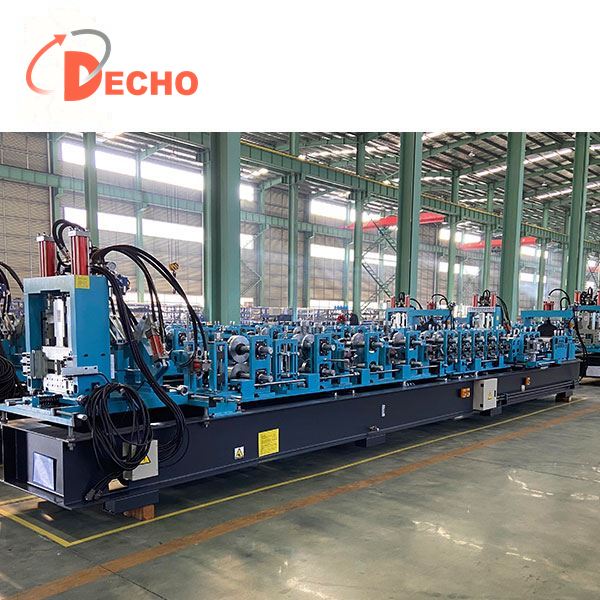
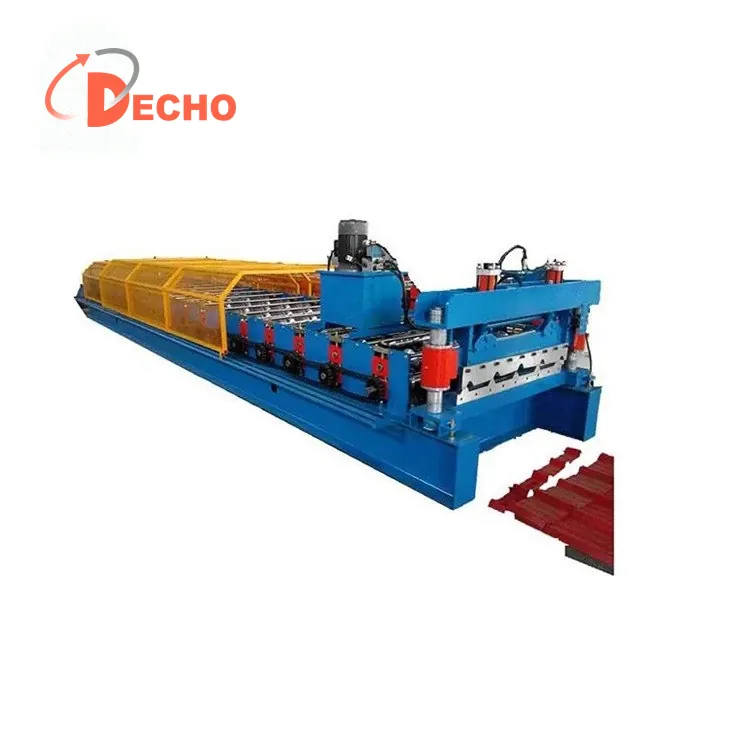
The size of the mold should match the width and length of the metal sheets you'll be using. If the mold is too small, it won't be able to form the full width of the sheet, while a mold that's too large may not fit properly in the machine. The shape of the mold should also be compatible with the machine's forming mechanism. Some machines are designed to form specific types of profiles, so you need to choose a mold that matches the machine's capabilities.
The mounting system of the mold is another important consideration. It should be easy to install and remove the mold from the machine, and it should provide a secure and stable connection. Look for a mold with a standardized mounting system that's compatible with your machine.
Cost and Lead Time
Cost is always a factor when making a purchasing decision. However, it's important not to compromise on quality for the sake of saving a few bucks. A low-quality mold may be cheaper upfront, but it can end up costing you more in the long run due to frequent repairs and replacements.
When comparing the costs of different molds, make sure you're comparing apples to apples. Consider the quality, durability, and performance of the mold, as well as the price. You may also want to factor in the cost of maintenance and repairs over the mold's lifespan.
Lead time is another important consideration, especially if you have a tight production schedule. Some molds may take longer to manufacture than others, depending on the complexity of the design and the availability of materials. Make sure you discuss the lead time with the supplier before placing your order to ensure that you'll receive the mold on time.
Supplier Reputation and Support
Choosing a reputable supplier is crucial for ensuring the quality and reliability of the mold. Look for a supplier who has a proven track record of producing high-quality molds and providing excellent customer service. You can check online reviews and testimonials from other customers to get an idea of the supplier's reputation.
In addition to the quality of the mold, you also need to consider the supplier's support services. A good supplier will offer technical support, training, and maintenance services to help you get the most out of your mold. They should also be able to provide prompt and efficient after-sales support in case you encounter any issues with the mold.
Other Considerations
There are a few other factors you may want to consider when selecting a mold for your Deck Roll Forming Machine. For example, if you're planning to produce a variety of deck profiles, you may want to choose a mold that's flexible and can be easily adjusted or modified. This can save you money and time in the long run.
You may also want to consider the environmental impact of the mold. Look for a supplier who uses sustainable manufacturing practices and materials to minimize the environmental footprint of the mold.
Conclusion
Selecting the right mold for your Deck Roll Forming Machine is a critical decision that can have a significant impact on your production. By considering the factors discussed in this blog post, you can make an informed decision and choose a mold that meets your specific needs and requirements.
If you're in the market for a Deck Roll Forming Machine or a mold, feel free to reach out to us. We're a leading supplier of high-quality Deck Roll Forming Machines and molds, and we're committed to providing our customers with the best products and services. Contact us today to discuss your requirements and get a quote.
References
- "Roll Forming Technology Handbook" by John W. Dowsett
- "Metal Forming: Processes and Applications" by George E. Dieter