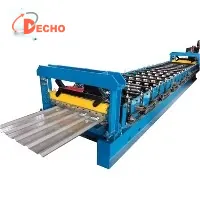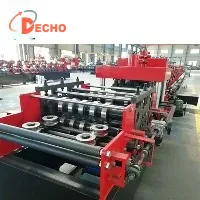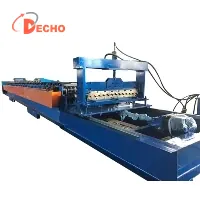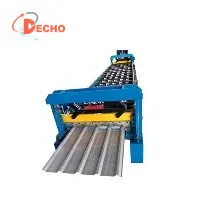

Hey there! As a supplier of Metal Rollformers, I've had my fair share of experiences dealing with different metals and setting the right pressure on these machines. Today, I'm gonna share some tips on how to set the correct pressure for different metals in a metal rollformer.
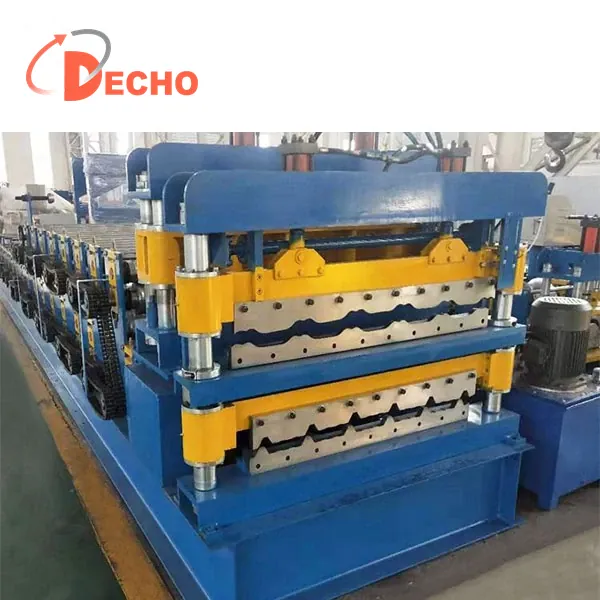
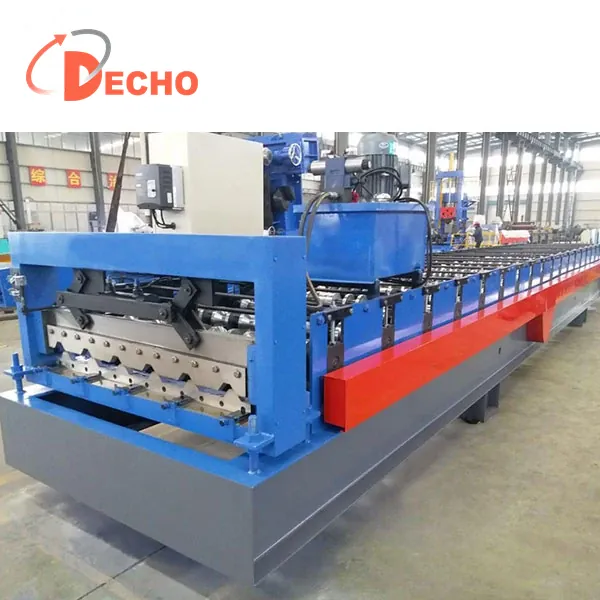
First off, let's understand why pressure setting is so crucial. When you're using a metal rollformer, whether it's a Double Layer Roll Forming Machine, Corrugated Roll Forming Machine, or Metal Roofing Roll Former, the right pressure ensures that the metal is formed accurately and efficiently. Too much pressure can lead to issues like cracking, excessive wear on the rolls, and even damage to the machine. On the other hand, too little pressure won't shape the metal properly, resulting in an imperfect final product.
Understanding Different Metals
Before we dive into pressure settings, it's important to know the characteristics of different metals. Metals vary in terms of their hardness, ductility, and thickness, all of which play a role in determining the right pressure.
- Steel: Steel is one of the most commonly used metals in roll forming. It comes in different grades, each with its own properties. Mild steel is relatively soft and ductile, making it easier to form. For mild steel, you can usually start with a moderate pressure setting. As the steel gets harder, like high-strength steel, you'll need to increase the pressure. But be careful not to overdo it, as high-strength steel is also more prone to cracking.
- Aluminum: Aluminum is lightweight and has good corrosion resistance. It's also quite ductile, which means it can be formed easily. Generally, you'll need less pressure for aluminum compared to steel. However, the thickness of the aluminum sheet matters. Thicker sheets will require more pressure to form properly.
- Copper: Copper is a soft and malleable metal. It's often used for decorative purposes and in electrical applications. When roll forming copper, you can start with a low pressure setting and gradually increase it if needed. Copper is also prone to scratching, so make sure the rolls are clean and smooth to avoid any surface damage.
Factors Affecting Pressure Settings
There are several factors that can affect the pressure settings for a metal rollformer. Let's take a look at some of the key ones.
- Thickness of the Metal: This is one of the most important factors. Thicker metals require more pressure to form. As a general rule, for every increase in thickness, you'll need to increase the pressure proportionally. But remember, this isn't a one-size-fits-all rule. You'll also need to consider the type of metal and its properties.
- Width of the Metal: The width of the metal sheet can also impact the pressure. Wider sheets may require more pressure to ensure uniform forming across the entire width. If the pressure is too low, the edges of the sheet may not be formed properly.
- Roll Design: The design of the rolls in the rollformer plays a crucial role in pressure settings. Different roll profiles are used for different shapes and sizes of metal products. Some rolls are designed to apply more pressure in certain areas, while others are designed for a more even distribution of pressure. Make sure you're using the right rolls for the job and adjust the pressure accordingly.
- Speed of the Machine: The speed at which the rollformer is operating can affect the pressure requirements. Faster speeds may require more pressure to ensure proper forming. However, running the machine too fast can also cause issues like uneven forming and excessive wear on the rolls.
Step-by-Step Guide to Setting the Right Pressure
Now that we've covered the basics, let's go through a step-by-step guide on how to set the right pressure for different metals in a metal rollformer.
- Start with a Test Piece: Before you start working on a large batch of metal, it's a good idea to test the pressure settings on a small piece of the same metal. This will help you get an idea of the right pressure without wasting a lot of material.
- Refer to the Manufacturer's Guidelines: Every metal rollformer comes with a set of manufacturer's guidelines. These guidelines usually provide recommended pressure settings for different types and thicknesses of metals. Start by following these guidelines as a starting point.
- Make Small Adjustments: Once you've set the initial pressure based on the manufacturer's guidelines, start running the test piece through the rollformer. Check the formed piece for any signs of under- or over-forming. If the metal isn't being formed properly, make small adjustments to the pressure. Increase the pressure if the metal isn't forming enough, and decrease it if it's cracking or showing signs of excessive stress.
- Check for Uniformity: As you make adjustments to the pressure, keep an eye on the uniformity of the formed piece. Make sure the shape and dimensions are consistent across the entire length and width of the piece. If you notice any unevenness, it could be a sign that the pressure isn't being distributed evenly. You may need to adjust the roll alignment or make further pressure adjustments.
- Monitor the Machine: While running the rollformer, pay attention to how the machine is operating. Listen for any unusual noises or vibrations, which could indicate that the pressure is too high or that there's a problem with the machine. If you notice any issues, stop the machine immediately and make the necessary adjustments.
- Finalize the Pressure Settings: Once you're satisfied with the results of the test piece, you can finalize the pressure settings for the production run. Make sure to document the settings for future reference.
Troubleshooting Common Pressure-Related Issues
Even with the best pressure settings, you may encounter some issues during the roll forming process. Here are some common pressure-related issues and how to troubleshoot them.
- Cracking or Splitting: If the metal is cracking or splitting during the forming process, it could be a sign that the pressure is too high. Try reducing the pressure gradually and see if the problem persists. You may also need to check the roll design and make sure it's suitable for the type of metal you're working with.
- Incomplete Forming: If the metal isn't being formed completely, it could be due to low pressure. Increase the pressure slightly and run another test piece. Make sure the rolls are clean and free of any debris that could be affecting the forming process.
- Uneven Forming: Uneven forming can be caused by a variety of factors, including uneven pressure distribution, misaligned rolls, or a worn-out roll. Check the roll alignment and make any necessary adjustments. If the rolls are worn out, they may need to be replaced.
Conclusion
Setting the correct pressure for different metals in a metal rollformer is a crucial step in the roll forming process. By understanding the characteristics of different metals, considering the factors that affect pressure settings, and following a step-by-step guide, you can ensure that your metal products are formed accurately and efficiently. Remember to start with a test piece, make small adjustments, and monitor the machine closely. If you encounter any issues, don't hesitate to troubleshoot and make the necessary changes.
If you're in the market for a metal rollformer or need more advice on pressure settings and roll forming in general, feel free to reach out. We're here to help you make the most of your roll forming operations.
References
- "Roll Forming Handbook" - A comprehensive guide on roll forming technology and best practices.
- Manufacturer's manuals for different metal rollformers.