Cold roll forming is a highly efficient and cost - effective manufacturing process used to produce a wide range of metal profiles with consistent cross - sections. As a cold roll forming supplier, we have witnessed the growing demand for high - strength steels in various industries, including construction, automotive, and aerospace. High - strength steels offer superior mechanical properties such as high yield strength, ultimate tensile strength, and good formability, which make them ideal for applications where weight reduction and structural integrity are crucial. However, cold roll forming high - strength steels also presents several challenges that need to be addressed to ensure the quality and efficiency of the production process.
Material Properties and Springback
One of the primary challenges in cold roll forming high - strength steels is their high strength and low ductility. High - strength steels typically have a higher yield strength compared to conventional steels, which means they require more force to deform. This increased force can lead to higher tool wear and tear, as well as potential damage to the forming equipment. Moreover, the low ductility of high - strength steels makes them more prone to cracking during the forming process. Cracks can occur at the edges or in the corners of the formed profiles, which not only affects the appearance but also compromises the structural integrity of the final product.
Another significant issue related to high - strength steels is springback. Springback is the elastic recovery of the material after it has been deformed. In cold roll forming, the material is bent and shaped by passing it through a series of rolls. Once the forming process is complete, the material tends to spring back to its original shape to some extent. High - strength steels exhibit more significant springback compared to lower - strength steels due to their higher elastic modulus. This makes it difficult to achieve the desired dimensions and tolerances of the formed profiles. Precise control of springback is essential to ensure that the final products meet the design specifications. To address this challenge, advanced simulation techniques can be used to predict the amount of springback and adjust the roll design and forming parameters accordingly.
Tooling Design and Wear
The design of the tooling is critical in cold roll forming high - strength steels. The rolls need to be designed to withstand the high forces and stresses generated during the forming process. Special attention should be paid to the roll material, surface finish, and geometry. High - strength tool steels are often used to manufacture the rolls to ensure their durability and resistance to wear. However, even with high - quality tool steels, the rolls will eventually wear out due to the abrasive nature of high - strength steels.
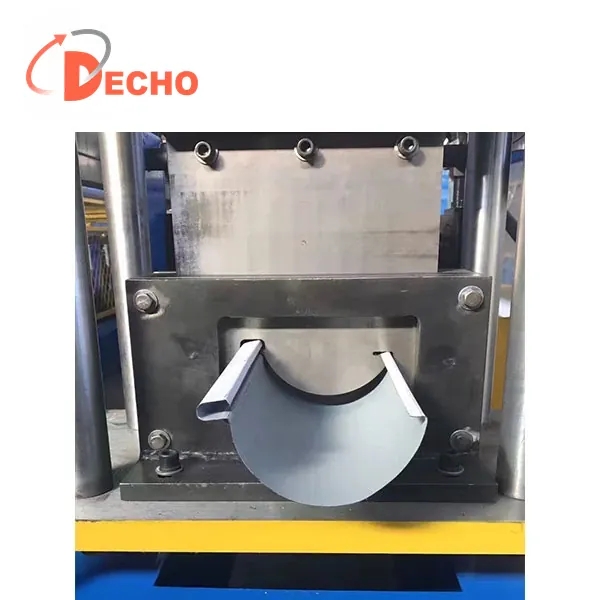
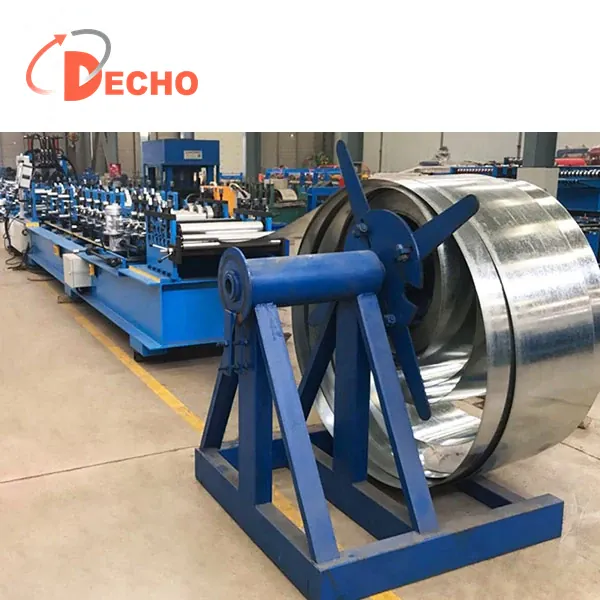
Wear on the rolls can lead to several problems, such as dimensional inaccuracies, surface defects on the formed profiles, and increased production downtime for tool replacement. To minimize roll wear, proper lubrication is essential. Lubricants can reduce the friction between the rolls and the material, which not only helps to extend the life of the rolls but also improves the surface quality of the formed profiles. Additionally, regular inspection and maintenance of the rolls are necessary to detect and correct any signs of wear in a timely manner.
Process Control and Quality Assurance
Cold roll forming high - strength steels requires precise process control to ensure consistent quality. The speed of the forming process, the tension applied to the material, and the alignment of the rolls all need to be carefully monitored and adjusted. High - strength steels are more sensitive to process variations compared to lower - strength steels. Small changes in the process parameters can have a significant impact on the final product quality.
Quality assurance is also a major challenge in cold roll forming high - strength steels. Non - destructive testing methods, such as ultrasonic testing and magnetic particle testing, can be used to detect internal defects in the formed profiles. However, these methods are often time - consuming and expensive. In - line inspection systems can be implemented to monitor the dimensions and surface quality of the profiles during the forming process. These systems can provide real - time feedback, allowing for immediate adjustments to the process parameters if any deviations from the specifications are detected.
Applications and Related Machines
In the construction industry, high - strength steel profiles are widely used for structural applications. For example, C&Z purlins are essential components in steel structures. Our C&Z Purlin Forming Machine is specifically designed to cold roll form high - strength steels into C and Z purlins with high precision and efficiency. The machine can handle different thicknesses and widths of high - strength steel sheets, producing purlins that meet the strictest industry standards.
Similarly, our C Purlin Machine is another reliable option for producing C purlins from high - strength steels. These machines are equipped with advanced control systems that allow for easy adjustment of the forming parameters, ensuring consistent quality and high productivity.
In addition to construction applications, high - strength steel profiles are also used in the production of rain gutters. Our Rain Gutter Roll Forming Machine can cold roll form high - strength steels into various types of rain gutters. The machine is designed to handle the challenges associated with forming high - strength steels, such as high forces and springback, to produce gutters with excellent dimensional accuracy and surface finish.
Conclusion
Cold roll forming high - strength steels offers many advantages in terms of product performance and weight reduction. However, it also presents several challenges related to material properties, tooling design, process control, and quality assurance. As a cold roll forming supplier, we are constantly working on developing new solutions to overcome these challenges. By using advanced simulation techniques, high - quality tooling materials, and precise process control systems, we can ensure the production of high - quality cold - rolled high - strength steel profiles.
If you are interested in our cold roll forming machines or have specific requirements for high - strength steel profiles, we invite you to contact us for further discussion. Our team of experts is ready to provide you with professional advice and customized solutions to meet your needs. Let's work together to achieve the best results in your cold roll forming projects.
References
- Smith, J. D. (2018). Cold Roll Forming Technology. Springer.
- Jones, R. M. (2019). High - Strength Steels: Properties and Applications. Wiley.
- Brown, A. B. (2020). Advances in Tooling Design for Metal Forming Processes. Elsevier.