What are the environmental impacts of using a steel frame rollformer?
As a supplier of steel frame rollformers, I've witnessed firsthand the growing demand for these machines in various industries. Steel frame rollformers are versatile pieces of equipment used to produce steel frames for construction, automotive, and other applications. However, with the increasing focus on environmental sustainability, it's essential to understand the environmental impacts associated with using these machines.
1. Energy Consumption
One of the primary environmental impacts of using a steel frame rollformer is energy consumption. These machines typically require a significant amount of electricity to operate, especially during the forming process. The motors that drive the rollers and other components consume power continuously, and the heating systems used for processes like annealing or pre - heating the steel also contribute to high energy usage.
Modern steel frame rollformers are designed with energy - efficient features. For example, some models use variable frequency drives (VFDs) to adjust the motor speed according to the workload. This means that when the machine is not under full load, the motor consumes less energy. Additionally, advanced insulation materials are used in heating systems to reduce heat loss, thus improving energy efficiency.
However, despite these improvements, the overall energy consumption of a steel frame rollformer remains relatively high. To mitigate this impact, users can implement energy management strategies, such as scheduling production during off - peak hours when electricity is cheaper and more likely to be sourced from renewable energy.
2. Steel Production and Resource Depletion
The raw material for steel frame rollformers is steel, and the production of steel has significant environmental implications. Steel is primarily made from iron ore, a non - renewable resource. The mining of iron ore can lead to habitat destruction, soil erosion, and water pollution. Moreover, the process of converting iron ore into steel is energy - intensive and generates large amounts of greenhouse gas emissions.
As a supplier, we are committed to promoting the use of recycled steel. Recycled steel can be used in steel frame rollformers with little to no loss in quality. Recycling steel requires only a fraction of the energy needed to produce virgin steel. It also reduces the demand for iron ore mining, thereby conserving natural resources and reducing the environmental impact associated with steel production.
3. Waste Generation
During the operation of a steel frame rollformer, waste is generated in several forms. There are often scrap pieces of steel that are cut off during the forming process. These scraps can be significant, especially if the production process is not optimized. Additionally, there may be waste in the form of lubricants and coolants used in the machine, which can become contaminated over time and need to be disposed of properly.
To address waste generation, our steel frame rollformers are designed with features to minimize scrap. For example, advanced cutting systems can be programmed to make the most efficient cuts, reducing the amount of leftover steel. Moreover, we encourage our customers to recycle the steel scraps. The scrap can be sent back to steel mills for recycling, where it can be used to produce new steel products.
In terms of lubricants and coolants, we recommend the use of environmentally friendly products. These products are biodegradable and have a lower impact on the environment when disposed of. Regular maintenance and proper filtration systems can also extend the life of lubricants and coolants, reducing the frequency of disposal.
4. Air and Water Pollution
The operation of a steel frame rollformer can contribute to air and water pollution. During the forming process, there may be emissions of dust and fumes. The heating systems in some rollformers can also release pollutants into the air if they are not properly maintained. Additionally, the disposal of contaminated lubricants and coolants can lead to water pollution if not managed correctly.
To reduce air pollution, we recommend the installation of dust collection systems in the production area. These systems can capture dust particles and prevent them from being released into the air. Regular maintenance of the heating systems, including the cleaning of burners and filters, can also reduce emissions.
For water pollution prevention, proper waste management practices are crucial. Contaminated lubricants and coolants should be collected and treated before disposal. Some companies may choose to implement a closed - loop system, where the lubricants and coolants are continuously recycled and reused, minimizing the amount of waste that needs to be disposed of.
5. Noise Pollution
Steel frame rollformers can generate significant noise during operation. The movement of the rollers, the cutting of steel, and the operation of motors all contribute to the noise level. Prolonged exposure to high - level noise can have negative impacts on the health of workers, including hearing loss and stress.
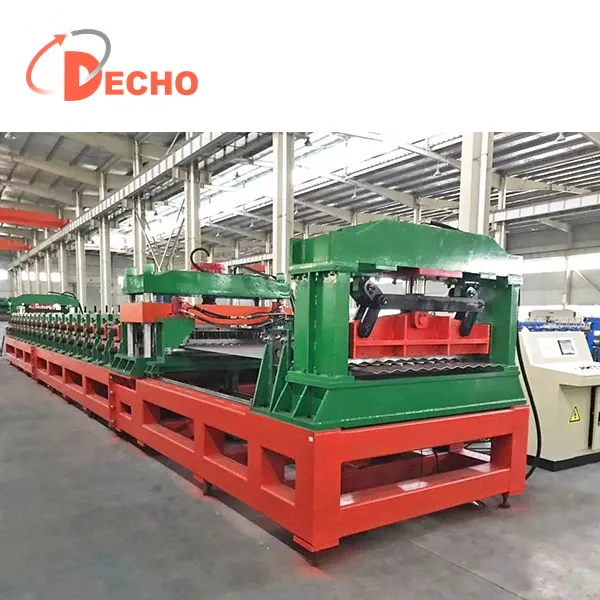
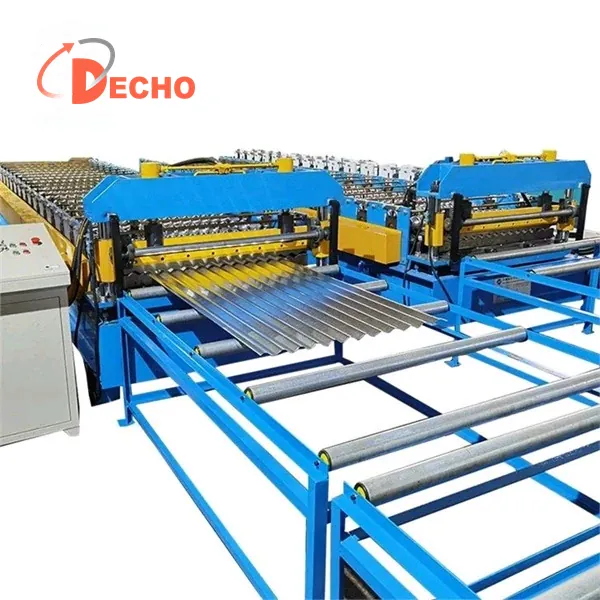
To address noise pollution, we offer steel frame rollformers with noise - reducing features. For example, some models are equipped with sound - absorbing materials in the machine housing. Additionally, we recommend the use of personal protective equipment (PPE) such as earplugs or earmuffs for workers in the production area. Proper maintenance of the machine can also reduce noise levels, as loose or worn - out parts can contribute to increased noise.
Product - Related Links
If you are interested in other types of roll - forming machines, we also offer Steel Silo Roll Forming Machine, Profile Roll Forming Machine, and Profile Sheet Manufacturing Machine. These machines are designed with similar environmental considerations in mind, aiming to provide efficient and sustainable solutions for your production needs.
Conclusion
In conclusion, while steel frame rollformers are essential tools in many industries, they do have environmental impacts. These impacts include energy consumption, resource depletion, waste generation, air and water pollution, and noise pollution. However, through technological advancements, proper waste management, and the use of sustainable materials, these impacts can be significantly reduced.
As a supplier, we are dedicated to providing our customers with steel frame rollformers that are both efficient and environmentally friendly. We believe that by working together with our customers, we can minimize the environmental footprint of steel frame rollformer operations. If you are interested in learning more about our products or discussing how we can help you achieve your environmental and production goals, please feel free to contact us for procurement and further discussions.
References
- "Sustainable Steel Production: A Review of Technologies and Strategies" by Smith, J. et al., Journal of Environmental Engineering, 2020.
- "Energy Efficiency in Metal Forming Processes" by Johnson, R., Manufacturing Technology Review, 2019.
- "Waste Management in the Manufacturing Industry" by Brown, A., Industrial Waste Journal, 2018.