In the realm of sheet roll forming, straightness is a critical requirement that significantly influences the quality and functionality of the final products. As a trusted sheet roll forming supplier, I've encountered numerous scenarios where the straightness of the formed sheets can make or break a project. In this blog post, I'll delve into what straightness requirement means in sheet roll forming, its importance, the factors affecting it, and how we ensure the highest level of straightness in our products.
What is Straightness in Sheet Roll Forming?
Straightness in sheet roll forming refers to the degree to which a formed sheet conforms to a perfectly straight line along its length. A straight sheet has minimal deviation from a true linear path, with no visible bends, curves, or twists. This is crucial because many applications, such as construction, automotive, and manufacturing, demand components that are straight and uniform to ensure proper fit and function.
Importance of Straightness Requirement
The straightness requirement is not just a matter of aesthetics; it has far - reaching implications for the performance and reliability of the final products.
Structural Integrity
In construction, straight components are essential for maintaining the structural integrity of buildings. For example, purlins and girts, which are commonly produced through sheet roll forming, need to be straight to evenly distribute loads and prevent structural failures. A lack of straightness can lead to uneven stress distribution, causing premature wear and tear on the building's structure.
Assembly and Fit
In automotive and manufacturing industries, straight parts are necessary for seamless assembly. Components that are not straight may not fit together properly, leading to misalignments, gaps, and potential malfunctions. This can increase production time, cost, and reduce the overall quality of the end - product.
Aesthetic Appeal
Even in applications where the functional requirements are less stringent, straightness can enhance the aesthetic appeal of the product. For instance, in architectural facades or decorative elements, straight sheets provide a clean and professional look.
Factors Affecting Straightness in Sheet Roll Forming
Several factors can influence the straightness of the formed sheets, and understanding these is crucial for achieving the desired straightness requirement.
Material Properties
The type and quality of the raw material play a significant role in determining the straightness of the formed sheet. Materials with inconsistent thickness, hardness, or internal stresses can lead to uneven deformation during the roll - forming process, resulting in a lack of straightness. For example, if a steel sheet has variations in thickness, the thicker areas may deform less than the thinner areas, causing the sheet to bend.
Roll Design and Alignment
The design and alignment of the rolls in the roll - forming machine are critical for achieving straightness. Rolls that are not properly designed or aligned can apply uneven pressure on the sheet, causing it to bend or twist. The shape, size, and surface finish of the rolls can also affect the deformation process and, consequently, the straightness of the formed sheet.
Process Parameters
Process parameters such as speed, tension, and feed rate can impact the straightness of the formed sheet. High - speed roll forming may not allow sufficient time for the sheet to deform evenly, leading to irregularities. Similarly, improper tension can cause the sheet to stretch or buckle, affecting its straightness.
Machine Condition
The overall condition of the roll - forming machine, including the wear and tear of the rolls, bearings, and other components, can influence the straightness of the formed sheets. A machine that is not well - maintained may produce sheets with lower straightness due to misalignments or inconsistent pressure application.
Ensuring Straightness in Sheet Roll Forming
As a sheet roll forming supplier, we take several measures to ensure that our products meet the highest straightness requirements.
Material Selection and Inspection
We carefully select high - quality raw materials from trusted suppliers. Before using the materials in the roll - forming process, we conduct thorough inspections to ensure that they meet our strict quality standards. This includes checking for thickness variations, hardness, and internal stresses.
Advanced Roll Design and Alignment
Our engineering team uses state - of - the - art design software to create roll designs that are optimized for straightness. We also regularly calibrate and align our roll - forming machines to ensure that the rolls apply even pressure on the sheet throughout the forming process.
Precision Process Control
We monitor and control the process parameters such as speed, tension, and feed rate with high precision. Our operators are highly trained to adjust these parameters in real - time based on the specific requirements of each project, ensuring consistent straightness across all products.
Quality Assurance and Testing
We have a comprehensive quality assurance system in place to ensure that every formed sheet meets the straightness requirement. This includes in - process inspections and final product testing using advanced measuring equipment such as laser scanners and straightedge gauges.
Our Product Range and Straightness
We offer a wide range of roll - formed products, each designed to meet the specific straightness requirements of different applications.
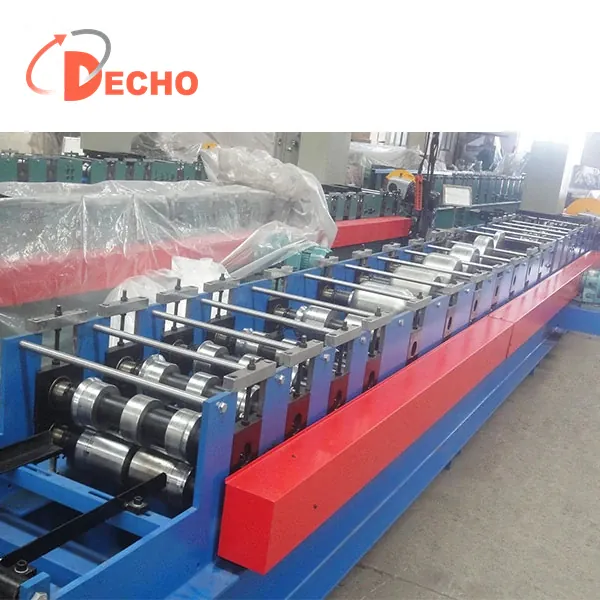
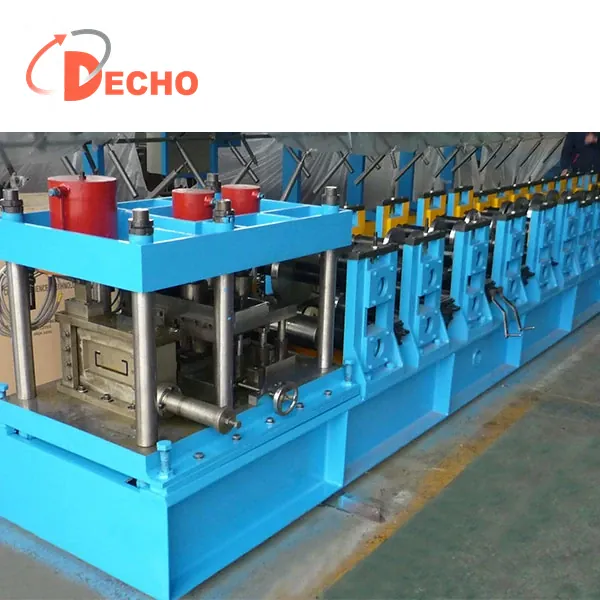
Gutter Forming Machine
Our Gutter Forming Machine produces high - quality gutters with excellent straightness. Gutters need to be straight to ensure proper water drainage and prevent clogging. Our machine is designed to handle various materials and profiles, allowing us to produce gutters that meet the strictest straightness standards.
Portable Roll Forming Machine
The Portable Roll Forming Machine is ideal for on - site production of purlins and other structural components. Despite its portability, it is capable of producing parts with high straightness. This is essential for construction projects where the components need to be installed quickly and accurately.
Profile Roll Forming Machine
Our Profile Roll Forming Machine can produce a variety of complex profiles with exceptional straightness. This machine is used in a wide range of industries, from automotive to construction, where precise profiles and straightness are required.
Contact Us for Your Sheet Roll Forming Needs
If you are in need of high - quality roll - formed products with excellent straightness, we are here to help. Our team of experts can work with you to understand your specific requirements and provide customized solutions. Whether you need a small batch of custom - designed components or a large - scale production run, we have the capabilities and experience to meet your needs.
We are committed to providing the best quality products at competitive prices and delivering them on time. Contact us today to discuss your sheet roll - forming project and start the journey towards high - quality, straight roll - formed products.
References
- Kalpakjian, S., & Schmid, S. R. (2008). Manufacturing Engineering and Technology. Pearson Prentice Hall.
- Dieter, G. E. (1986). Mechanical Metallurgy. McGraw - Hill.
- Altan, T., Oh, S. I., & Gegel, H. L. (1983). Metal Forming: Fundamentals and Applications. American Society for Metals.