When dealing with the international trade of machinery, understanding import regulations is crucial, especially for a Profile Forming Machine supplier like me. These regulations can vary significantly from one country to another, and they play a pivotal role in ensuring a smooth and legal transaction. In this blog, I'll delve into the key aspects of import regulations for Profile Forming Machines, sharing insights based on my experience in the industry.
Tariffs and Duties
Tariffs and duties are among the most significant factors in the import process. Each country sets its own tariff rates, which can be ad - valorem (a percentage of the machine's value), specific (a fixed amount per unit), or a combination of both. For example, some countries may offer preferential tariff rates under free - trade agreements. As a Profile Forming Machine supplier, I always recommend that my clients research the tariff rates applicable in their country well in advance. This information can usually be obtained from the country's customs department or through trade associations.
The calculation of tariffs is based on the customs value of the machine. This value typically includes the cost of the machine, freight, and insurance up to the port of entry. It's important to note that incorrect valuation can lead to delays and additional costs. To avoid such issues, I provide detailed invoices that accurately reflect all the costs associated with the Profile Forming Machine.
Product Standards and Certifications
Another critical aspect of import regulations is product standards and certifications. Different countries have their own set of safety, quality, and environmental standards that Profile Forming Machines must meet. For instance, in the European Union, machines need to comply with the CE marking requirements. The CE marking indicates that the machine meets the essential health and safety requirements of EU directives.
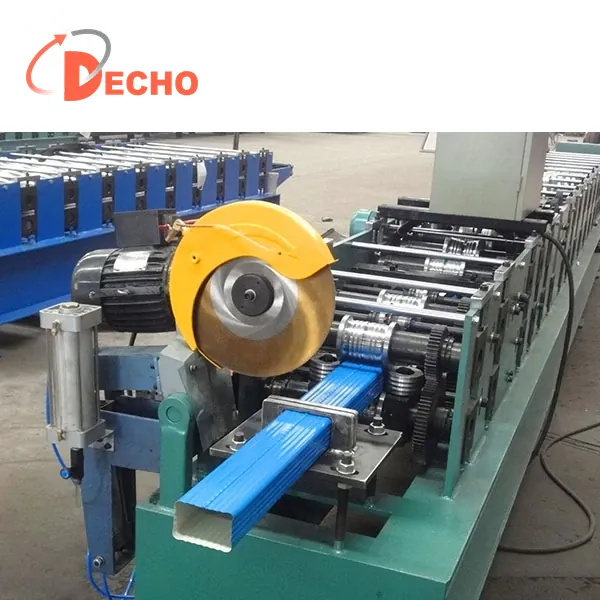
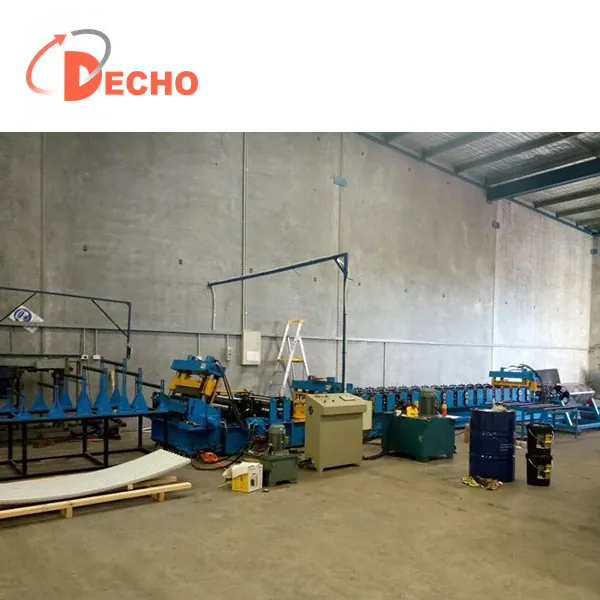
In the United States, machines may need to comply with standards set by organizations such as the American National Standards Institute (ANSI). These standards cover various aspects, including electrical safety, mechanical safety, and noise levels. As a supplier, I ensure that my Profile Forming Machines are designed and manufactured to meet the most common international standards. However, it's the responsibility of the importer to confirm the specific requirements of their country.
Certifications are also essential. Some countries may require certificates of origin, which prove where the machine was manufactured. Additionally, certificates related to product quality, such as ISO 9001 for quality management systems, can enhance the credibility of the machine. I always provide my clients with all the necessary certifications to facilitate the import process.
Documentation Requirements
Proper documentation is the backbone of any import transaction. The basic documents required for importing a Profile Forming Machine usually include a commercial invoice, a bill of lading or airway bill, a packing list, and a certificate of origin. The commercial invoice should contain detailed information about the machine, such as its description, quantity, unit price, and total value.
The bill of lading or airway bill serves as a receipt for the goods and a contract of carriage. It provides information about the shipment's origin, destination, and the carrier. The packing list details the contents of each package, which helps customs officials in the inspection process.
In some cases, additional documentation may be required. For example, if the machine contains certain hazardous materials, an environmental impact statement or a hazardous materials certificate may be necessary. As a supplier, I assist my clients in preparing and providing all the required documentation to ensure a hassle - free import process.
Import Licenses and Permits
Some countries may require importers to obtain import licenses or permits for Profile Forming Machines. These licenses are usually issued by the country's trade or industry ministry and are designed to regulate the import of certain types of goods. The requirements for obtaining an import license can vary widely. Some countries may have a simple application process, while others may require detailed justifications for the import.
As a supplier, I encourage my clients to check with their local customs authorities or trade representatives to determine if an import license is required. I also provide them with all the necessary information about the machine to support their license application, such as its technical specifications and intended use.
Inspection and Quarantine
Inspection and quarantine procedures are in place to ensure that imported Profile Forming Machines meet the country's safety and quality standards. Customs officials may conduct physical inspections of the machines at the port of entry. These inspections can range from a visual check to more in - depth testing.
In some cases, the machine may need to undergo quarantine if it is suspected of carrying pests, diseases, or if it does not meet the environmental standards. For example, if the machine has wooden packaging, it may need to be treated to prevent the introduction of pests. As a supplier, I take precautions to ensure that my machines are free from any potential hazards. I also provide my clients with information on how to handle the inspection and quarantine procedures to minimize delays.
Impact of Regulations on Business
The import regulations for Profile Forming Machines have a significant impact on my business as a supplier. On one hand, they ensure that the machines sold in the international market meet certain standards, which enhances the overall quality and safety of the products. On the other hand, they can create barriers to entry for some importers, especially those in countries with complex or strict regulations.
To overcome these challenges, I focus on building long - term relationships with my clients. I provide them with comprehensive support throughout the import process, from understanding the regulations to providing the necessary documentation. I also stay updated on the latest regulatory changes in different countries to ensure that my machines remain compliant.
Related Machines and Their Regulations
In addition to Profile Forming Machines, there are other related machines in the market, such as the Stainless Steel Water Tank Making Machine, Downpipe Machine, and Purlin Making Machine. These machines also have their own import regulations, which are generally similar to those of Profile Forming Machines in terms of tariffs, standards, and documentation requirements. However, there may be some specific differences based on their functions and applications.
For example, the Stainless Steel Water Tank Making Machine may need to comply with additional hygiene and food - grade standards if it is used to produce water tanks for potable water. The Downpipe Machine may need to meet specific drainage and structural standards. And the Purlin Making Machine may be subject to building code requirements in some countries.
Conclusion and Call to Action
In conclusion, understanding the import regulations for Profile Forming Machines is essential for both suppliers and importers. As a supplier, I am committed to providing high - quality machines and comprehensive support to my clients. By staying informed about the regulations, preparing the necessary documentation, and ensuring product compliance, we can ensure a smooth and successful import process.
If you are interested in purchasing a Profile Forming Machine or any of our related products, such as the Stainless Steel Water Tank Making Machine, Downpipe Machine, or Purlin Making Machine, I encourage you to reach out to me. I will be happy to discuss your specific requirements, provide you with detailed information about the import process, and assist you in making an informed purchasing decision.
References
- World Customs Organization (WCO) publications on international trade regulations.
- International Organization for Standardization (ISO) standards related to machinery manufacturing.
- Local customs and trade authorities' websites for specific country - based regulations.