Hey there! As a supplier in the cold roll forming industry, I've seen firsthand how crucial backup rolls are in the whole process. So, let's dig into what the role of backup rolls in cold roll forming really is.
First off, let me give you a quick rundown of cold roll forming. It's a process where a long strip of metal, usually steel, is passed through a series of rollers to gradually shape it into a desired cross - sectional profile. This method is super popular because it's efficient, can produce high - quality products, and is suitable for mass production.
Now, onto the backup rolls. These guys are like the unsung heroes of the cold roll forming process. Their main job is to support the work rolls. Work rolls are the ones that directly come into contact with the metal strip and do the actual shaping. But they can't do it alone. The backup rolls provide the necessary support to prevent the work rolls from deforming under the high pressure exerted during the forming process.
Imagine trying to bend a thick metal strip with just a couple of small rollers. The pressure would be so high that the rollers would start to warp, and you'd end up with an unevenly formed product. That's where backup rolls step in. They distribute the load evenly across the work rolls, ensuring that they maintain their shape and can perform their job accurately.
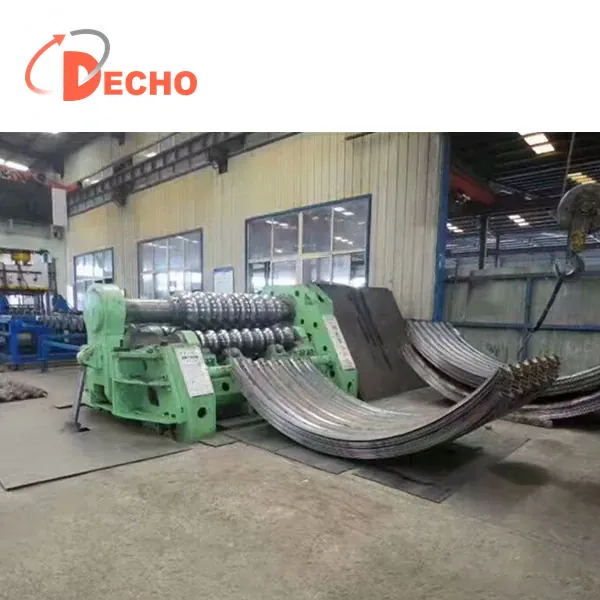
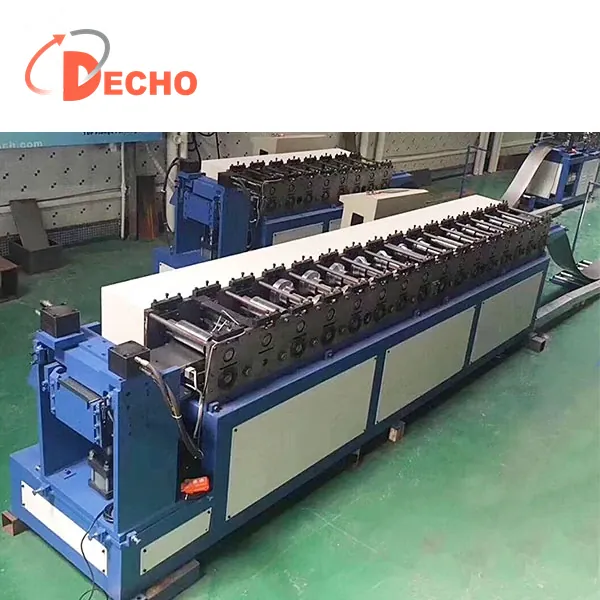
One of the key benefits of using backup rolls is improved product quality. When the work rolls are properly supported, they can apply a consistent amount of pressure along the entire length of the metal strip. This results in a uniform cross - sectional profile, with precise dimensions and smooth surfaces. Whether you're making Stainless Steel Water Tank Making Machine, which requires accurate shaping for a watertight design, or a Purlin Roll Former that needs to meet strict structural standards, the role of backup rolls in ensuring quality can't be overstated.
Another important aspect is the longevity of the work rolls. Without proper support from backup rolls, the work rolls would experience excessive wear and tear. The high pressure and uneven loading would cause them to wear out quickly, leading to frequent replacements. This not only adds to the cost but also disrupts the production process. By using backup rolls, the load on the work rolls is reduced, which extends their lifespan and saves you money in the long run.
In addition to supporting the work rolls, backup rolls also play a role in controlling the thickness of the formed product. They help to maintain a consistent gap between the work rolls, which directly affects the thickness of the metal strip as it passes through. This is especially important when producing products with tight tolerances, such as those made by a Door Frame Making Machine. Any variation in thickness could lead to fitment issues or compromise the structural integrity of the final product.
Now, let's talk about the design and material of backup rolls. They need to be carefully designed to match the specific requirements of the cold roll forming process. The diameter, length, and hardness of the backup rolls all need to be considered. For example, in high - speed cold roll forming operations, smaller diameter backup rolls might be used to reduce inertia and allow for faster acceleration and deceleration.
The material of the backup rolls is also crucial. They are typically made from high - strength steels or alloys that can withstand the high pressures and wear. Heat - treatment processes are often used to enhance the hardness and toughness of the material. This ensures that the backup rolls can perform their job effectively over an extended period of time.
Proper maintenance of backup rolls is essential for their optimal performance. Regular cleaning, inspection for wear and damage, and lubrication are all part of a good maintenance routine. If a backup roll shows signs of excessive wear or damage, it should be replaced immediately to avoid any negative impact on the cold roll forming process.
In conclusion, backup rolls are an integral part of the cold roll forming process. They provide essential support to the work rolls, improve product quality, extend the lifespan of the work rolls, and help control the thickness of the formed product. As a cold roll forming supplier, I can't stress enough how important it is to have high - quality backup rolls in your production line.
If you're in the market for cold roll forming equipment or have any questions about backup rolls or the cold roll forming process in general, don't hesitate to reach out. We're here to help you find the best solutions for your production needs and ensure that you get the most out of your cold roll forming operations.
References
- "Cold Roll Forming Technology" - A comprehensive guidebook on the principles and practices of cold roll forming.
- Industry research papers on the design and performance of backup rolls in cold roll forming processes.